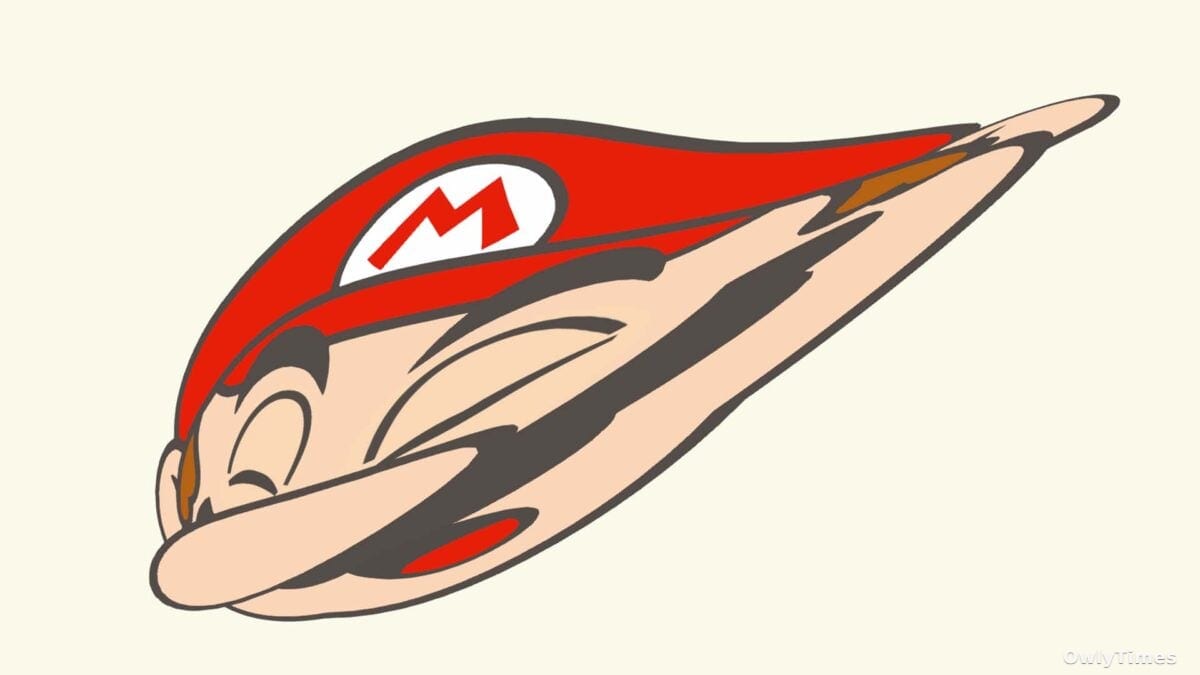

The chipped ceramic of my morning mug warmed my hands, but couldn’t quite chase away the chill of February 19th. Outside, a grey drizzle mirrored the confusion settling over the gaming world. Nintendo had just dropped “Hello, Mario,” and it wasn’t the sprawling adventure, the kart racing sequel, or even a quirky mini-game anyone expected. It was…Mario’s face. A digital stress ball for toddlers, designed to be poked, prodded, and ultimately, to lull children into a state of boredom-induced compliance. It’s a move that feels less like innovative game design and more like a calculated, if unsettling, expansion of brand loyalty into the earliest stages of life.
A New Kind of Power-Up: Captive Audiences
“Hello, Mario” isn’t about skillful platforming or rescuing a princess; it’s about manipulating a digital avatar until it feigns exhaustion. Players can stretch Mario’s nose, comb his mustache, and generally subject him to a surprising amount of physical abuse – all accompanied by cheerfully bewildered reactions like “Oh, yeah, Mario Time!” The app, available on Android, iOS, Switch, and the newly released Switch 2, is explicitly positioned as a tool for managing screen time, with Mario simply…falling asleep after roughly 12 minutes of interaction. But the irony is thick enough to cut with a power-up mushroom. A game designed to end playtime, released by a company built on the very idea of immersive entertainment? It’s a paradox that speaks volumes about Nintendo’s evolving strategy.
This article draws on reporting from kotaku.com.
This launch isn’t an isolated incident. It’s the debut of “My Mario,” a new brand line from Nintendo explicitly aimed at “young children, their parents, and caregivers while inspiring imaginative play.” The language is carefully chosen, evoking a sense of wholesome development. But the partnerships with giants like Fisher-Price and TOMY – companies synonymous with early childhood consumerism – reveal a different intention. According to industry reports, the global baby and toddler toys market reached $94.8 billion in 2023, and is projected to hit $118.4 billion by 2028. Nintendo is clearly angling for a slice of that pie, and they’re doing it by leveraging one of the most recognizable characters in the world.
From Pixels to Playpens: The Disneyfication of Nintendo
The tactic isn’t new. Disney has been plastering Mickey Mouse on everything from baby bottles to diapers for decades, cultivating brand allegiance before children can even form coherent memories. Other media conglomerates have followed suit, recognizing the immense value of a captive audience. But Nintendo has historically maintained a different image – one of artistic integrity and innovative gameplay. This feels like a departure, a concession to the relentless pressures of shareholder value and market dominance. The question is, does this move dilute the brand, or does it simply represent a pragmatic adaptation to a changing landscape?
The initial reaction online has been largely skeptical, bordering on horrified. Many long-time fans express disappointment, seeing “Hello, Mario” as a cynical attempt to exploit childhood innocence. Others point out the inherent contradiction of a company known for fostering creativity now offering an app that actively discourages engagement. While Nintendo hasn’t released download numbers, social media sentiment analysis suggests the app is generating more conversation about its questionable premise than genuine enthusiasm. This is a stark contrast to the hype surrounding recent releases like “Super Mario Bros. Wonder,” which sold over 10.4 million units in its first three months, demonstrating the continued appetite for traditional Mario experiences.
Beyond the Headlines: The Future of Fandom
What’s truly at stake here isn’t just the fate of “Hello, Mario,” but the future of fandom itself. Nintendo is betting that early exposure to the Mario universe will translate into lifelong loyalty. They’re attempting to bypass the traditional pathways of discovery – through gameplay, shared experiences, and critical acclaim – and instead implant the brand directly into the formative years of a new generation. This raises a crucial question: can genuine passion be manufactured through targeted marketing, or does it require something more organic?
The success of “My Mario” will hinge on whether parents embrace it as a helpful tool for managing screen time, or reject it as a manipulative attempt to commodify their children’s attention. But regardless of the outcome, this launch signals a significant shift in Nintendo’s strategy. They’re no longer content to simply create games; they’re building an ecosystem, a lifestyle brand that extends far beyond the console and into the very fabric of family life. The industry will be watching closely to see if this gamble pays off, and whether other gaming giants will follow suit, transforming the playground into another battleground for brand supremacy. Will we see a “Link’s First Blocks” or a “Samus’s Soothing Sounds” in the near future? That’s the unsettling possibility this seemingly innocuous app has unlocked.





