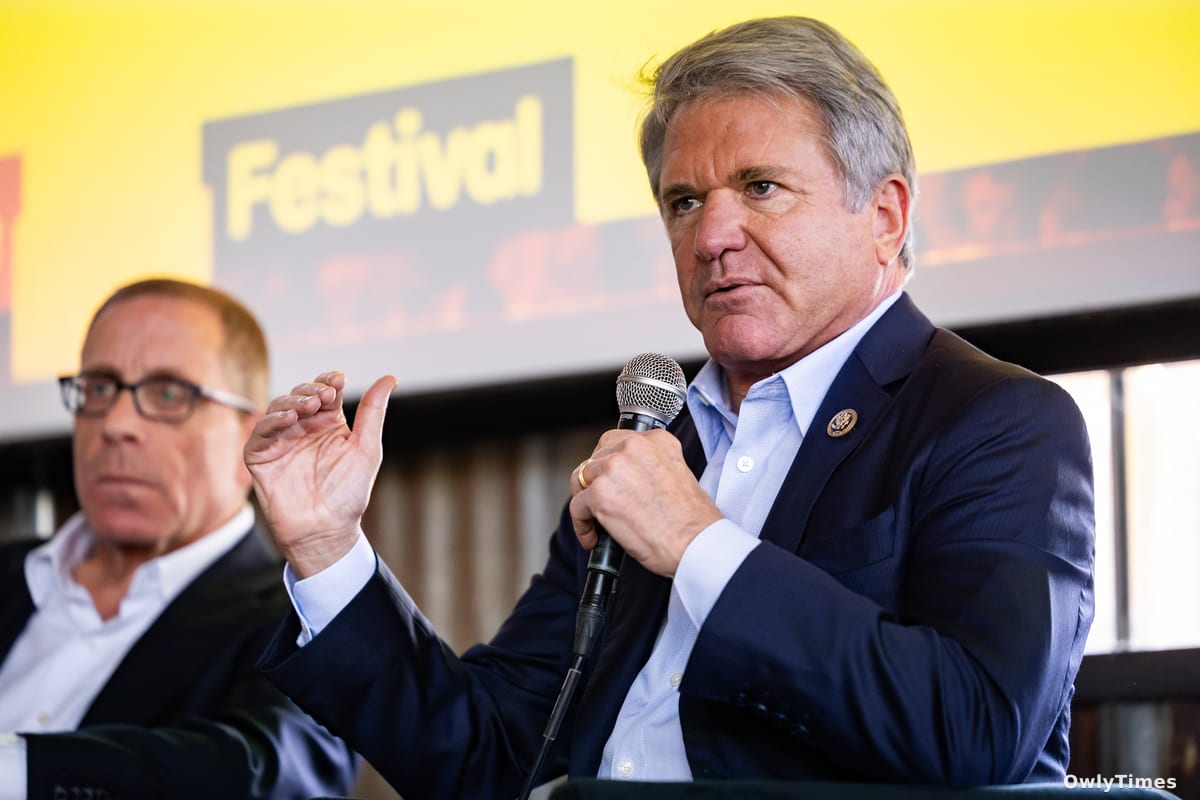

The strategic calculus behind Michael McCaul’s recent intervention in the Texas GOP Senate primary is one of institutional preservation versus populist momentum. By openly warning his party that nominating Attorney General Ken Paxton could jeopardize a seat currently held by John Cornyn, the veteran Republican is signaling a deep-seated anxiety within the party’s establishment regarding electoral viability in a polarized climate. McCaul’s assessment rests on a calculation of "baggage"—a reference to the 2023 impeachment trial of Paxton and ongoing questions surrounding his personal records—and how those liabilities might be weaponized by Democratic challengers in a general election.
The Liability Calculus in Texas
McCaul, who has served in the House of Representatives since 2005 and is currently in his final term, frames the choice between Paxton and Cornyn as a tension between ideological purity and political pragmatism. He explicitly labels Cornyn a "man of integrity," a move intended to anchor the party’s base to a known commodity. However, the internal polling McCaul has conducted suggests a disconnect between his assessment and the rank-and-file voter sentiment. If the party prioritizes the "liability" of Paxton’s past, as McCaul does, they risk alienating the populist wing; if they ignore it, they risk losing the seat entirely. The benefit of a Cornyn victory is the maintenance of institutional stability, while the risk of a Paxton nomination is the potential for a high-turnout Democratic counter-offensive.
Bipartisanship in a Hostile Environment
Reflecting on his tenure as chair of both the House Foreign Affairs and Homeland Security committees, the 64-year-old McCaul expressed a weariness with the current political trajectory. Speaking at the Central Machine Works in Austin on May 2, 2026, he lamented that working across the aisle is no longer "in style or vogue." This observation mirrors the post-2008 financial crisis era, where the erosion of centrist consensus began to redefine legislative effectiveness. McCaul’s departure from Congress, he claims, is motivated by both a personal desire to let go of power and a frustration with a political culture that he believes is increasingly hostile to the mechanics of governance.
Navigating Political Violence and Global Conflict
The conversation, moderated by Evan Smith, also touched on the volatility of the national discourse, specifically regarding political violence. Smith drew parallels between the recent shooting attempt at the White House Correspondents’ Association Dinner—which McCaul attended—and previous acts of violence, including the 2022 attack on Paul Pelosi. McCaul’s response pointed toward the influence of leadership messaging, specifically referencing Donald Trump. On the international front, McCaul remains cautious regarding the conflict in Iran. While he maintains his support for preventing Iran from acquiring nuclear weapons, he explicitly opposes placing troops on the ground without a clear, defined exit strategy. His refusal to support a war powers resolution, citing the disruption it would cause to then-active ceasefire negotiations, highlights the delicate balance between congressional oversight and executive maneuverability.
The Metrics of Redistricting
McCaul’s critique of the current redistricting environment further highlights the internal friction within the Republican Party. Despite Texas leading the charge on redrawing maps, McCaul argued that the practice of mid-decade redistricting is a net-zero game that ultimately costs the party its most effective, pragmatic legislators. He noted that the current map shuffle results in a wash or perhaps a single-seat gain, a marginal return that he suggests is not worth the cost of losing members who are focused on legislative results.
The next reading of the primary runoff results between Paxton and Cornyn will show whether the party base is aligned with McCaul’s establishment-focused strategy or if they are willing to accept the electoral risks associated with candidates carrying significant political baggage.





