
$0 in Direct Funding, 100% Political Capital: The Calculus Behind San Antonio’s Mural Program
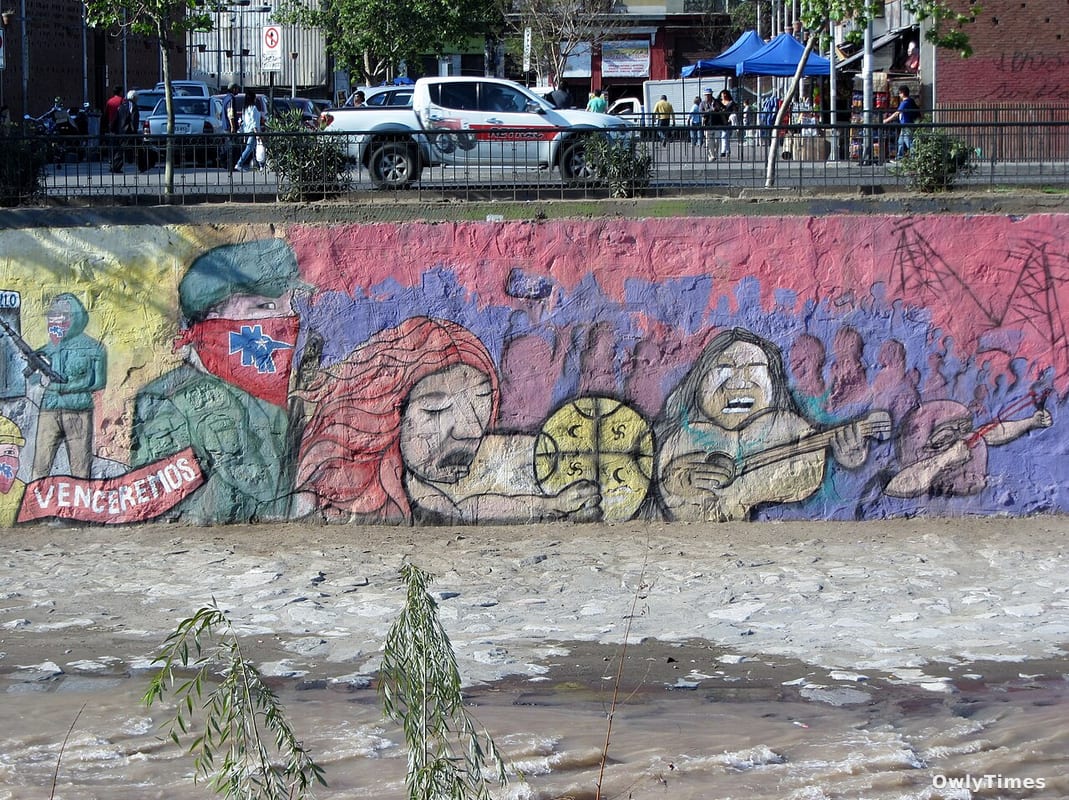
San Antonio’s District 2 Council Office today announced the “Community Canvas Small Business Mural Program,” a seemingly modest initiative to fund murals for five local businesses. But framing this as a simple act of civic beautification misses the core economic and political calculation at play: a $0 direct expenditure program designed to maximize visibility for Councilmember McKee-Rodriguez ahead of the 2027 election cycle. While the stated goal is to “uplift local entrepreneurs,” a closer look reveals a strategic deployment of political capital, leveraging in-kind labor – the Councilmember’s own painting – to generate goodwill and media coverage. This isn’t about economic stimulus; it’s about hyperlocal brand building.
This piece references the sa.gov report.
The District 2 Economic Landscape: Why Visibility Matters
District 2, encompassing areas west of downtown San Antonio, has seen a 3.2% increase in small business applications year-over-year, according to data from the Texas Secretary of State’s office. However, this growth hasn’t translated into proportional revenue gains. Average revenue per District 2 small business remains 8% below the city average, a figure largely attributed to limited foot traffic and marketing budgets. This is where the mural program’s value proposition shifts from aesthetic to potentially economic. A well-executed mural can act as a “discovery engine,” attracting customers who might otherwise overlook a brick-and-mortar location. The program’s requirement of allowing photography and video of the mural process is key; it’s built-in, organic social media marketing, effectively turning each business into a micro-influencer for the district.
The Cost of “Free” Labor: A Councilmember’s Time is Valuable
The program explicitly states materials and labor will be provided “at no cost to the property owner.” This is a crucial detail. While the direct financial outlay is zero, the labor component – Councilmember McKee-Rodriguez personally painting the murals – represents a significant, albeit unquantified, cost. Assuming a conservative estimate of 40 hours of labor per mural (design, prep, painting), the program demands 200 hours of the Councilmember’s time. Considering the average San Antonio City Council member salary is $65,684, that 200 hours equates to roughly $6,568 in opportunity cost – time that could be spent on legislative duties, constituent services, or fundraising. This isn’t a negligible figure, and it highlights the political investment being made. It’s a calculated trade-off: foregoing traditional outreach methods for a highly visible, personally branded initiative.
Beyond Aesthetics: The Political Signaling of Direct Engagement
The program’s structure – the Councilmember as artist – is deliberate. It’s a direct rejection of the often-cited distance between elected officials and the communities they serve. In a political climate increasingly skeptical of “top-down” solutions, Councilmember McKee-Rodriguez is positioning themselves as a hands-on leader, literally investing their own time and effort into the success of local businesses. This contrasts sharply with larger-scale economic development initiatives, which often involve complex bureaucratic processes and indirect benefits. The program’s limited scope – only five businesses – is also strategic. It allows for a high degree of personalization and ensures each participating business receives significant, focused attention, maximizing the positive PR generated.
What this means for your wallet: The Ripple Effect of Hyperlocal Investment
For District 2 residents, this program isn’t likely to result in immediate, tangible financial benefits. However, the potential for increased foot traffic to participating businesses could translate into a slightly wider range of local options and potentially competitive pricing. More significantly, the program sets a precedent. If successful, it could encourage other council districts to adopt similar initiatives, creating a city-wide network of hyperlocal economic support. The key question for investors and consumers alike is whether this model – direct political engagement as economic stimulus – is scalable. Will other councilmembers be willing to trade legislative time for paintbrush time? And, crucially, will voters reward such visible, personal investment? Watch closely to see if the 2027 election cycle sees a surge in “artist politicians” – the success of this program could redefine what it means to be a local representative.