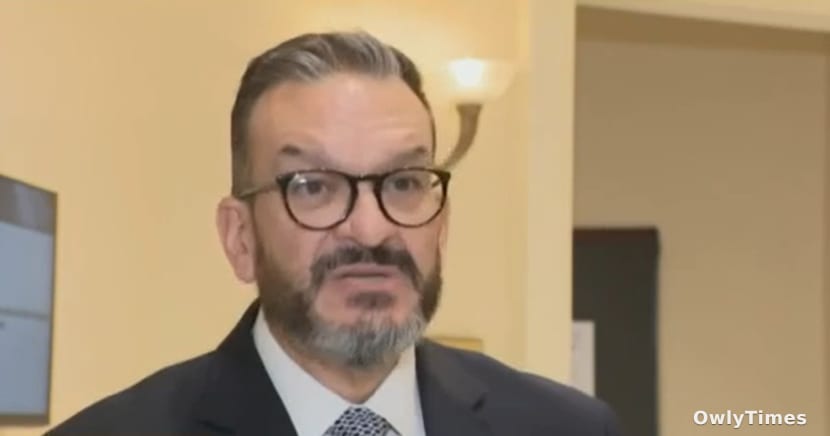

The resignation of Rafael López as Secretary of the Maryland Department of Human Services (DHS) isn’t simply a personnel change; it’s a stark illustration of the inherent tension between ambitious policy goals and the often-brutal realities of implementation, particularly within systems tasked with protecting vulnerable children. While headlines focus on “health-related reasons” cited for the departure, announced by Governor Wes Moore on February 16, 2026, a deeper look reveals a leader stepping down amidst mounting scrutiny following a damning audit and the tragic death of a 16-year-old foster child, Kanaiyah Ward. The narrative isn’t one of simple resignation, but of a system under immense strain, attempting rapid improvements while simultaneously grappling with systemic failures.
The López tenure, as highlighted by the Governor’s office, saw demonstrable progress in several key areas. Kinship care placements – prioritizing children remaining with family – increased by 30% through improved data sharing and family engagement. This is a significant win, as kinship care is consistently linked to better emotional and behavioral outcomes for children in foster care. Furthermore, the department dramatically reduced the Supplemental Nutrition Assistance Program (SNAP) payment error rate, plummeting from nearly 36% in 2023 – the second-highest in the nation – to 13.64%. These achievements, alongside the $75.5 million distributed through Maryland SUN Bucks in summer 2025 to combat child hunger, represent tangible benefits for Marylanders. However, these successes are now inextricably linked to the circumstances surrounding López’s exit, casting a shadow over the positive metrics.
The turning point arrived with the death of Kanaiyah Ward in September 2025. Ward died of a Benadryl overdose while housed in a Baltimore hotel by DHS. This tragedy triggered a comprehensive audit revealing deeply concerning practices. The audit uncovered that in 2023 and 2024 alone, the state placed 280 foster care children in hotels, with over 80 experiencing stays ranging from three months to two years. The financial burden was substantial, costing taxpayers $10.4 million, and in some instances exceeding $1,200 per day for a single child’s accommodation. This is not merely a question of cost; the audit revealed a systemic failure to ensure the safety and well-being of these children. Crucially, the department lacked a process to coordinate with the sex offender registry, resulting in children being placed in homes matching the addresses of registered offenders. A contracted worker at one hotel even had a prior murder conviction.
The immediate response was a new policy prohibiting the placement of minors in “unlicensed settings,” and a directive to move children from hotels to more appropriate placements. López himself acknowledged the severity of the findings in October 2025, stating his team had been “challenging the status quo” during his tenure. However, this acknowledgement feels reactive, coming after the audit exposed the extent of the problems. The audit’s timeframe – a four-year period – is also important. While López emphasizes action taken during his 18-month leadership, the issues clearly predated his arrival, suggesting deeply entrenched systemic problems. This raises the question of whether the policy changes are sufficient to address the root causes, or merely a temporary fix.
Reporting from CBS News informs this analysis.
The political fallout is already evident. Maryland Senate Republicans, led by Senator Steve Hershey, argue that López’s resignation doesn’t absolve the administration of accountability, pointing to “unprecedented turnover” within Governor Moore’s cabinet – nine secretary-level departures in three years. Senator Justin Ready characterized the audit findings as “fundamental failures in internal controls and fiscal oversight,” not minor errors. This bipartisan criticism underscores the gravity of the situation and suggests a broader concern about the management and oversight of the DHS. The transition plan, with Deputy Secretary Gloria Brown Burnett serving as interim secretary until April 1, followed by Stacy L. Rodgers, is a temporary measure, but it doesn’t address the underlying systemic issues.
Looking ahead, the focus must shift beyond personnel changes. The next steps require a thorough, independent review of the entire foster care system, not just hotel placements. Specifically, investigators need to determine why the department consistently resorted to hotels despite the known risks and exorbitant costs. Was it a lack of available foster homes? Inadequate funding? Bureaucratic inefficiencies? Furthermore, the state needs to invest in robust data tracking and analysis to identify and address emerging risks before they escalate into tragedies. The question Marylanders should be asking now isn’t simply who will lead the DHS, but whether the next leader will be empowered – and willing – to dismantle the systemic failures that contributed to Kanaiyah Ward’s death and the widespread vulnerabilities revealed by the recent audit.