
Beyond “Wellness Influencer”: Assessing the Surgeon General Nominee’s Approach to Public Health
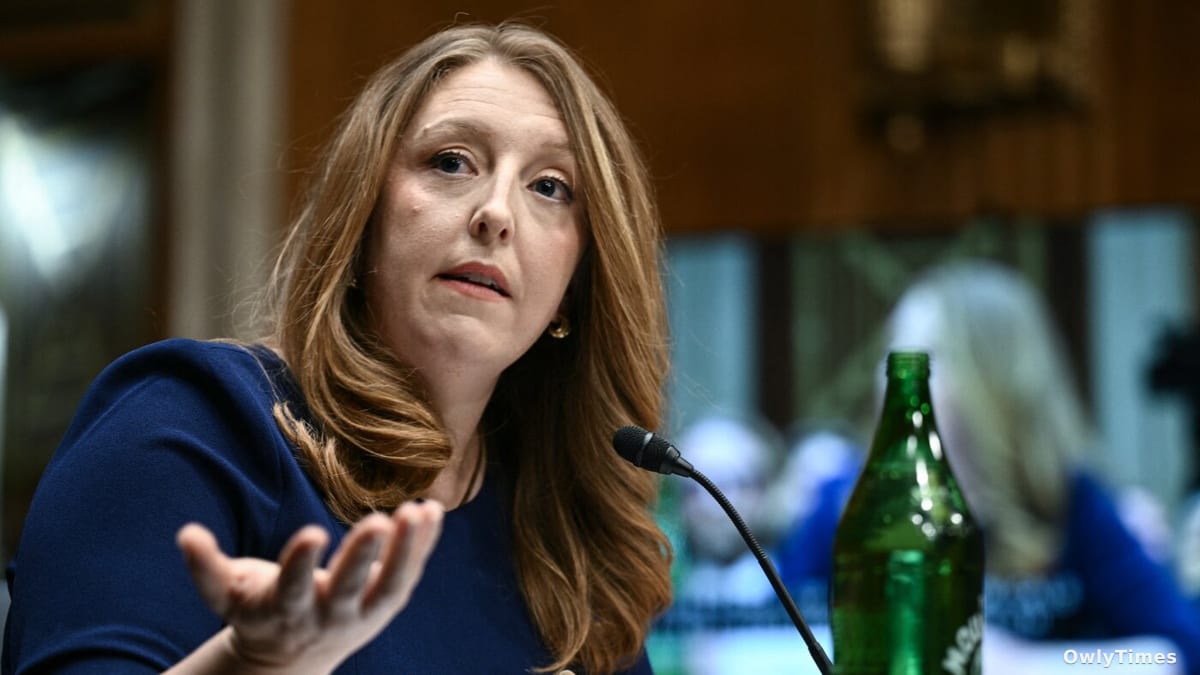
The confirmation hearing for Casey Means, President Trump’s nominee for surgeon general, wasn’t simply a procedural step; it illuminated a fundamental tension within contemporary public health. The debate isn’t solely about Means’ qualifications – though those are certainly under scrutiny – but about the evolving role of a public health leader in an era defined by distrust in institutions and the rise of individualized wellness narratives. While headlines focused on her carefully worded responses regarding vaccines and birth control, the more significant story is the shift in emphasis from population-level interventions to a focus on “root causes” and individual responsibility, a perspective heavily influenced by her work as a wellness entrepreneur and the views of Health Secretary Robert F. Kennedy Jr.
Original reporting: NPR.
The hearing, delayed due to Means’ recent childbirth, revealed a nominee eager to align herself with Kennedy’s “Make America Healthy Again” agenda. She repeatedly praised his leadership and echoed his concerns about ultra-processed foods, environmental toxins, and the overuse of pharmaceuticals. However, when pressed by senators on specific, often contentious, public health issues, Means demonstrated a pattern of acknowledging established scientific consensus while simultaneously emphasizing the importance of individual patient-physician conversations and the need for further research. For example, she affirmed that “vaccines save lives” to Senator Bill Cassidy, chairman of the Senate Health, Education, Labor and Pensions Committee, but stopped short of actively recommending vaccination against common illnesses like measles and the flu, framing it instead as a decision best made through informed consent. This isn’t a denial of vaccine efficacy, but a subtle recalibration of the surgeon general’s traditional role as a strong advocate for preventative public health measures.
This nuanced positioning is particularly striking given Means’ background. Unlike previous surgeons general with extensive clinical experience, Means transitioned from surgical training to functional medicine and, ultimately, to building a public profile as a wellness influencer. She founded Levels, a company promoting continuous glucose monitors, and sells supplements through her website – ventures she has pledged to divest from if confirmed. This entrepreneurial path, while not disqualifying, raises questions about potential conflicts of interest and the influence of commercial interests on her public health messaging. Senator Chris Murphy of Connecticut directly addressed this concern, questioning her about a pending FTC complaint alleging undisclosed financial relationships with products she promoted, characterizing the pattern as “systemic.” Means refuted the assertions, promising a follow-up with the committee. The core issue isn’t simply about transparency, but about whether a surgeon general’s primary loyalty should be to public health or to the marketplace of wellness solutions.
The American Public Health Association has already voiced strong concerns, with CEO Georges Benjamin stating that Means is “less qualified professionally than any other surgeon general in history.” This assessment isn’t merely about her lack of a current medical license – she has stated she has no plans to reactivate it – but about a perceived departure from the traditional emphasis on evidence-based, population-level interventions. Means’ focus on “root causes” and individual lifestyle factors, while valid, risks shifting the burden of health away from systemic issues like food insecurity, environmental pollution, and healthcare access. It’s a perspective that resonates with a growing segment of the population seeking personalized health solutions, but one that may not align with the core mission of the Public Health Service, which comprises over 6,000 physicians, nurses, and scientists working within federal agencies.
It’s crucial to understand what the study – in this case, the confirmation hearing itself – actually found versus what headlines claim. The hearing didn’t reveal a staunch anti-vaccine advocate or a proponent of discredited medical theories. Instead, it showcased a nominee who skillfully navigated politically charged questions, consistently emphasizing individual agency and the complexity of scientific inquiry. This approach, while potentially appealing to a broad audience, raises legitimate concerns about the future direction of public health messaging and the surgeon general’s role in advocating for evidence-based policies. Limitations to consider include the inherently performative nature of confirmation hearings, where nominees are incentivized to avoid definitive statements that could jeopardize their confirmation.
Looking ahead, the Senate committee’s next steps will be critical. Beyond a simple up-or-down vote, scrutiny should focus on Means’ commitment to transparency, her willingness to prioritize population health over individual wellness trends, and her vision for addressing the systemic factors that contribute to chronic disease. More importantly, the public should watch for how the role of surgeon general evolves under her leadership – will it become a platform for promoting individualized health solutions, or will it remain a cornerstone of evidence-based public health advocacy? The answer to that question will shape the nation’s health trajectory for years to come.





