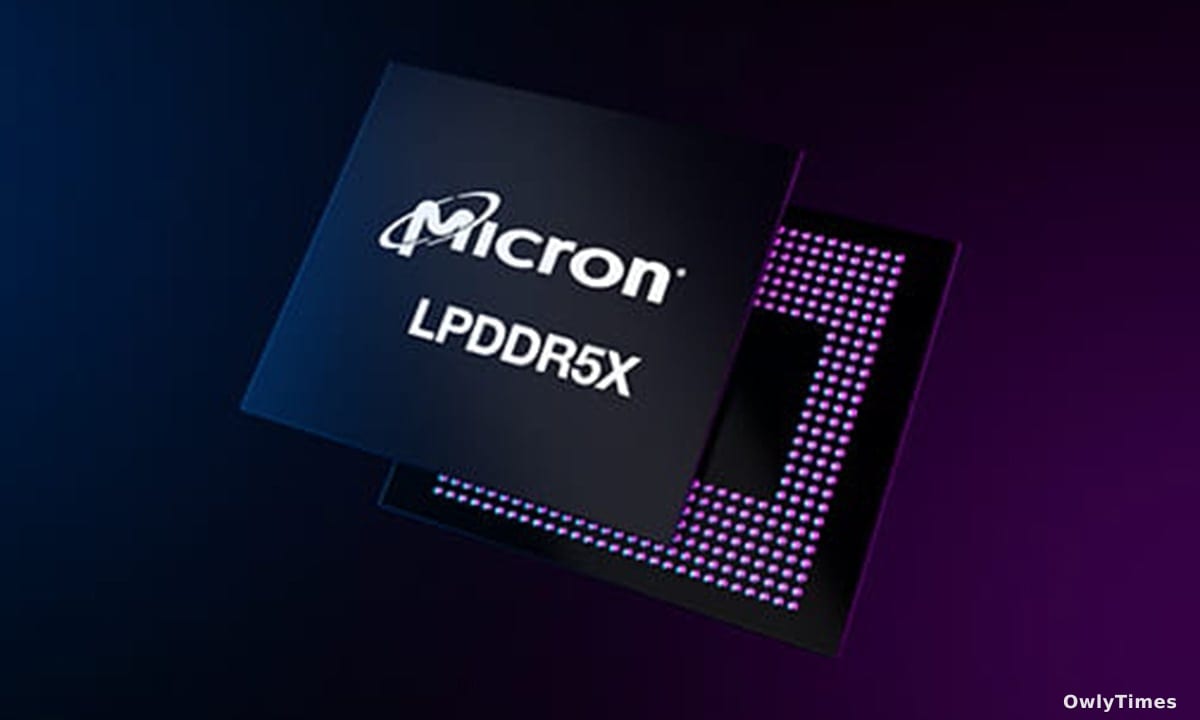

Is the AI boom just a sugar rush for tech stocks, or are some companies genuinely positioned to benefit for years to come? Micron Technology (MU 3.20%) has certainly looked like a winner, with its share price skyrocketing 326% in the last year – leaving the Nasdaq Composite’s modest 16% gain in the dust. But before you chase the momentum, it’s worth asking: is this a sustainable surge, or are investors building castles on silicon sand? The real story here isn't just about a hot stock; it’s about the fundamental, often invisible, infrastructure powering the AI revolution, and how one company is quietly controlling a critical choke point.
The AI Gold Rush & Micron’s Unexpected Role
Everyone’s talking about Nvidia and the companies building flashy AI applications. But those applications – the chatbots, the image generators, the self-driving car algorithms – are utterly dependent on something far less glamorous: memory chips. Micron makes two key types: DRAM, the short-term memory your computer uses to actively run programs, and NAND flash memory, for long-term storage. These aren’t optional extras; they are the foundation upon which AI is built. The current frenzy of AI data center construction is creating an insatiable demand for both, and Micron is sitting at the heart of it. Think of it like the pick-and-shovel suppliers during the California Gold Rush – they didn’t strike gold themselves, but they made a fortune enabling others to do so. Designers of AI accelerator chips are already locking in supply of specialized DRAM, known as high-bandwidth memory (HBM), years in advance, desperate to secure capacity.
This article draws on reporting from The Motley Fool.
Beyond the Hype: A Shortage That Lasts
The narrative around chip shortages often feels cyclical – a crisis, a correction, repeat. But this isn’t a typical boom-and-bust scenario. TrendForce anticipates a staggering 112% increase in NAND flash revenue this year, reaching $147 billion. DRAM isn’t far behind, projected to grow 144% to $404 billion. And the overall memory market? A further 53% jump to $843 billion is expected by 2027. These aren’t incremental gains; they’re exponential leaps. What’s crucial is that this shortage isn’t expected to magically resolve itself. Micron is working to expand production, but building new fabrication plants takes years and billions of dollars. This sustained scarcity translates directly into pricing power for companies like Micron, and a remarkably favorable outlook for their bottom line.
Valuation vs. Potential: Still Room to Run?
Despite its impressive run, Micron isn’t trading at a ridiculous premium. Its trailing earnings multiple of 24 is lower than the U.S. tech sector average of 42. That suggests the market hasn’t fully priced in the company’s potential. The forward price-to-earnings (P/E) ratio of 12 hints at a significant earnings spike – and analysts agree, forecasting a 309% increase in earnings this fiscal year. Even a more conservative estimate of 31% growth for fiscal 2027 still leaves plenty of room for upside. The price/earnings-to-growth (PEG) ratio, a metric that considers growth potential, further reinforces this view. Micron’s PEG ratio of 0.18, according to Yahoo! Finance, signals that the stock is significantly undervalued. This isn’t about blind faith in a “top AI stock”; it’s about recognizing a company that controls a vital resource in a rapidly expanding market.
The Coming Capacity Crunch & What It Means for You
The implications extend far beyond Wall Street. The continued shortage of memory chips will likely translate into higher prices for everything that relies on them – from smartphones and laptops to cloud computing services. Consumers will feel the pinch, even if they don’t realize why their next upgrade costs more. Businesses will face increased costs for data storage and processing, potentially impacting everything from online retail to healthcare. The question isn’t if Micron will benefit from this environment, but how they’ll navigate the inevitable challenges of scaling production and maintaining their competitive edge.
Looking ahead, watch closely for announcements regarding Micron’s capital expenditure plans. Will they aggressively invest in expanding capacity, potentially sacrificing short-term profits for long-term dominance? Or will they prioritize profitability, risking losing market share to competitors? The answer to that question will determine whether Micron’s current trajectory continues, or if this impressive run ultimately proves to be a fleeting moment in the AI gold rush.