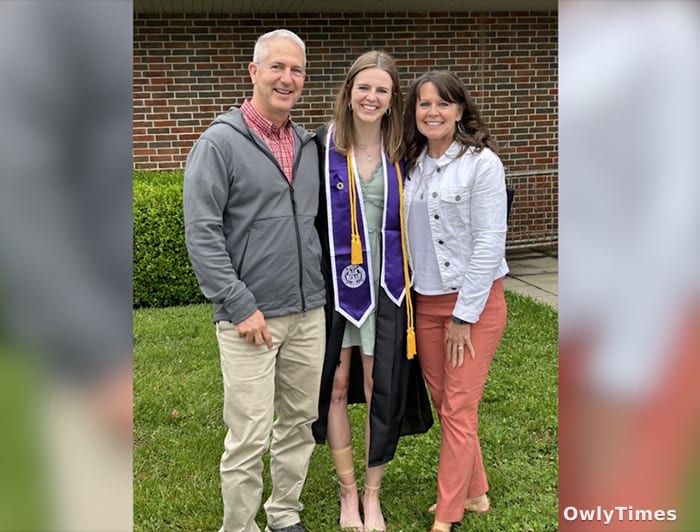

When a routine athletic injury shifts from a manageable physical setback to a life-altering medical crisis, the challenge for modern medicine is not just healing tissue, but restoring the structural integrity of a limb that has been compromised by infection and bone loss. For Madeleine Gillman, a collegiate soccer player, what began as a persistent stress fracture in her right tibia—a condition often dismissed as routine shin splints—evolved into a harrowing scenario where amputation became a looming clinical reality. The central question in such cases is how a surgical intervention, intended to resolve chronic pain, can instead precipitate a cascade of complications, including severe tissue necrosis and persistent infection.
The Pivot from Injury to Reconstruction
The complications stemming from Gillman's 2022 surgery represent a significant hurdle in orthopedic recovery, where the standard protocols for fracture management fail to account for secondary tissue damage. Once the initial procedure resulted in bone loss and infection, her case was transferred to the University of Missouri Health Care (MU Health Care) Limb Preservation Program. This program operates on the premise that limb salvage requires more than just orthopedic intervention; it necessitates a synthesis of vascular surgery, infectious disease management, and reconstructive plastic surgery.
The clinical team, led by orthopedic specialist Brett Crist, M.D., faced a dual objective: eradicate a deep-seated infection while simultaneously regenerating bone that had been compromised. In practice, this meant the team had to systematically remove dead or necrotic tissue—a process known as debridement—before employing advanced regenerative techniques to bridge the bone gap. Unlike headlines that might suggest "miracle" cures, the reality of this recovery was a protracted, multidisciplinary effort that relied on the precise coordination of imaging, surgery, and dedicated rehabilitation.
Limitations to Consider in Limb Salvage
It is essential to recognize that limb preservation is not a universal outcome for patients with complex bone infections. The success of Gillman’s treatment at MU Health Care was contingent upon her specific physiological response to bone regeneration protocols and the ability of the surgical team to effectively contain the infection before it caused systemic damage. While this case illustrates the efficacy of specialized limb preservation units, the methodology remains highly individualized. The medical community continues to navigate the limitations of bone grafting and infection control, particularly in cases where the vascular supply to the bone has been significantly damaged during previous procedures.
Integrating Personal Experience into Clinical Care
Following months of intensive treatment and physical therapy, Gillman successfully avoided amputation, marking a recovery that is as much a testament to her rehabilitation as it is to the surgical intervention. Her transition from patient to professional is particularly notable; she completed nursing school during her recovery and now serves in the healthcare field. By leveraging her history as a patient, she brings a nuanced perspective to her own practice, highlighting how the psychological toll of a long-term orthopedic crisis informs the standard of care for others.
The next steps in this field of research focus on the refinement of regenerative bone technologies and the standardization of multidisciplinary care pathways for post-surgical complications. The ongoing performance of programs like the one at MU Health Care will provide the data necessary to determine how these integrated approaches might be scaled to reduce the incidence of amputation in high-risk orthopedic patients. The success rate of these limb-sparing techniques, as measured by long-term mobility and tissue viability, will ultimately dictate how clinicians approach the management of chronic stress-related bone injuries in the future.





