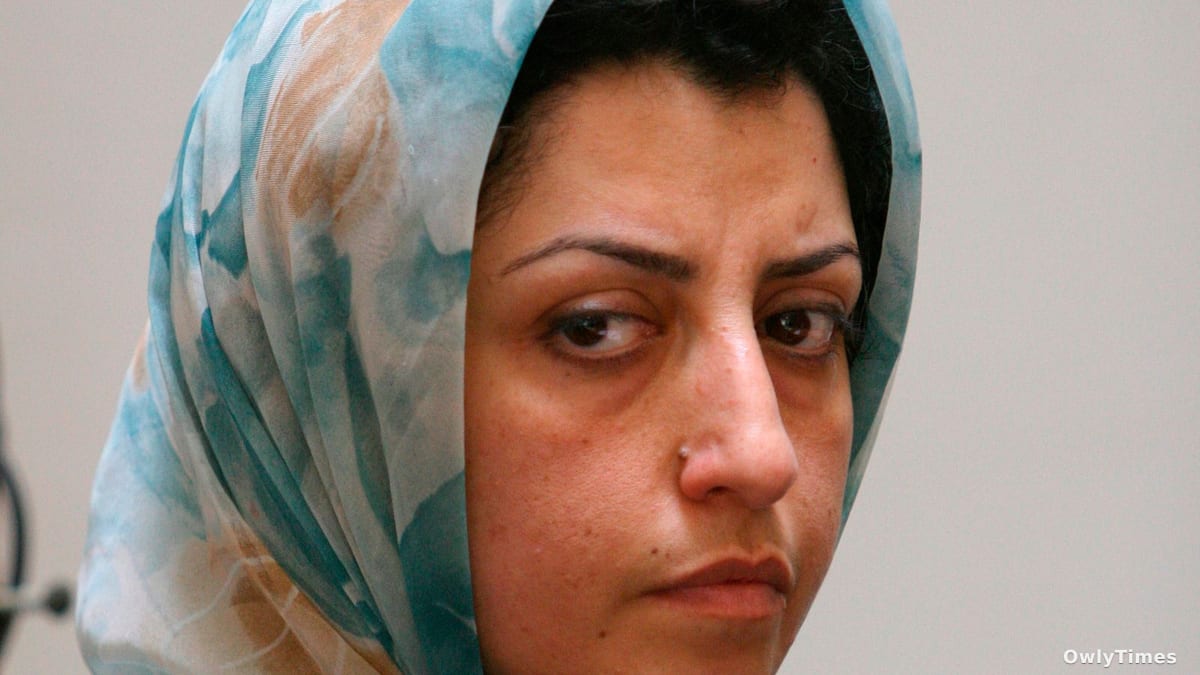

When a high-profile prisoner experiences a "catastrophic deterioration" in health, the intersection of medical necessity and state custody becomes a point of urgent clinical and ethical concern. For Narges Mohammadi, the 53-year-old Nobel Peace Prize laureate currently held in Iran, this question has shifted from a matter of ongoing human rights advocacy to an acute cardiac crisis. On May 1, 2026, reports confirmed her transfer to a hospital in Zanjan, northwestern Iran, following multiple episodes of loss of consciousness—a development that highlights the fragile boundary between state-mandated detention and the physiological limits of a patient with a known history of cardiovascular disease.
The Disconnect Between Medical Reality and Custodial Care
The clinical narrative surrounding Mohammadi’s health is complex, marked by what her representatives describe as "140 days of systematic medical neglect" since her arrest on Dec. 12. While initial reports from the Narges Mohammadi Foundation emphasize the gravity of her condition, it is vital to distinguish between the clinical events and the administrative hurdles. The foundation reports that Mohammadi suffered two fainting spells on May 1, compounding concerns stemming from a suspected heart attack in late March.
Her lawyer, Mostafa Nili, noted on X that while prison doctors initially attempted on-site management, her blood pressure continued to exhibit severe, life-threatening fluctuations. The eventual transfer to a cardiac care unit was not a proactive health measure, but a reactionary step taken only after a neurologist intervened. This trajectory—from symptomatic onset to delayed specialist care—underscores the tension between established medical requirements and the restrictive environment of the Zanjan prison system.
Limitations to Consider in Clinical Advocacy
When assessing the severity of Mohammadi’s case, we must acknowledge the limitations of available diagnostic data. While her legal team and the foundation have been transparent regarding her symptoms—including severe fluctuations in blood pressure, chest pain, and physical frailty—public reports lack access to her formal medical charts or independent diagnostic imaging. The assertion that her current condition is a direct consequence of a beating sustained during her December arrest is a critical piece of the family's account, yet it remains outside the scope of independent clinical verification.
Furthermore, the bureaucratic friction between local prosecutors in Zanjan and officials in Tehran creates a significant barrier to effective care. Even with a recommendation from a medical official to suspend her sentence for one month to facilitate treatment, the decision remains in legal, rather than medical, hands. This structural limitation often dictates the prognosis more than the underlying pathology itself.
Assessing the Path Forward
The urgency of this situation is underscored by Mohammadi’s medical history, which includes previous heart attacks and emergency surgery in 2022. Her brother, Hamidreza Mohammadi, who resides in Oslo, Norway, has explicitly stated that the family is "fighting for her life," characterizing the hospital transfer as a "last-minute" measure. Her legal representative in France, Chirinne Ardakani, has long pointed to the repeated denial of access to her specialized cardiology team in Tehran as a primary driver of this deterioration.
The immediate indicator of her trajectory will not be found in diplomatic rhetoric, but in the volatility of her hemodynamics. The next reading of her blood pressure stability while in the cardiac care unit will serve as the primary metric for whether her current medical intervention is sufficient or if the damage from prolonged neglect has reached a point of irreversible systemic failure. Her survival now depends on whether the legal authorities permit her transition to the specialized care her condition demands.





