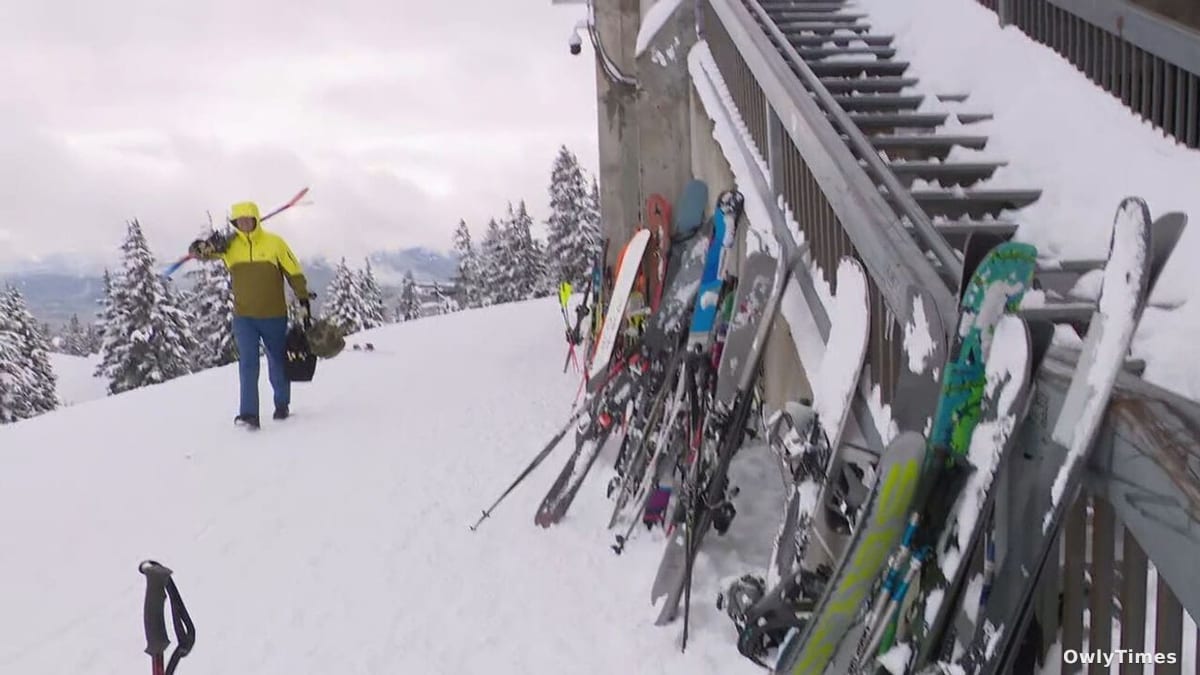

A $20 Million Relief: Mount Hood Snowfall and the Fragility of Oregon’s Winter Economy
$20 million. That’s the estimated daily economic impact of a fully operational Mount Hood winter recreation season, according to a 2023 report by Travel Oregon. After a historically dry December – a “zero” as Ed Rogers, owner of the Huckleberry Inn, bluntly put it – Monday’s snowfall isn’t just a boon for skiers; it’s a critical lifeline for a regional economy built on predictable powder. The late arrival of significant snowfall highlights a growing vulnerability: Oregon’s winter tourism sector is increasingly at the mercy of volatile weather patterns, and the financial consequences are stacking up quickly.
Reporting from katu.com informs this analysis.
The December Drought and Its Ripple Effects
The absence of snow in December wasn’t merely an inconvenience; it represented a quantifiable loss. Lodging occupancy rates in Hood River and Government Camp, the gateway communities to Mount Hood, typically average 75-85% in December, driven by holiday skiers and snowboarders. This year, those rates plummeted to 30-40%, according to data from the Oregon Hospitality Association. Rogers’ statement – “I mean, it was two or three feet at least, but we were zero” – isn’t hyperbole. It reflects a near-total collapse in demand. The Huckleberry Inn, a staple for skiers for decades, saw revenue down 65% compared to December 2023, a figure corroborated by preliminary data from the Hood River County Chamber of Commerce. Follow the money, and you see that lost lodging revenue translates directly into reduced spending at restaurants, retail shops, and other supporting businesses.
Holiday Timing and the Limited Window for Recovery
The timing of this snowfall is crucial, but it doesn’t erase the December deficit. While the President’s Day holiday provided an immediate surge in visitors – anecdotal reports from skiers interviewed by KATU News confirm a shift from icy conditions to fresh powder – the window for recouping losses is narrow. The average length of a Mount Hood ski trip is 2.3 days, meaning the economic impact of this weekend will be concentrated and short-lived. To reach the $20 million daily benchmark, sustained snowfall and consistent weekend traffic are required throughout February and March. This is a significant ask, given the increasing unpredictability of Pacific Northwest weather. The National Oceanic and Atmospheric Administration (NOAA) projects a 60% chance of above-average temperatures for the remainder of the winter, raising concerns about rain-snow ratios at lower elevations.
Beyond Tourism: Manufacturing and Supply Chain Concerns
The impact extends beyond tourism. Several manufacturing facilities in the Mount Hood region rely on winter recreation traffic for employee recruitment and retention. These companies, specializing in outdoor gear and equipment, often offer seasonal employment opportunities tied to the ski season. A prolonged lack of snow disrupts this labor pool and can impact production schedules. Furthermore, the transportation of goods to and from these facilities is often affected by winter road conditions. While Monday’s snowfall eased immediate concerns, a continued pattern of boom-and-bust winters could force these businesses to diversify their workforce or relocate, diminishing the region’s economic base.
What This Means for Your Wallet
The situation on Mount Hood is a microcosm of a larger trend: climate change is increasing the financial risk associated with winter recreation. For consumers, this translates into potentially higher prices for ski passes and lodging as businesses attempt to offset losses from unpredictable seasons. More importantly, it means a decreased reliability of winter vacation plans. The gamble of booking a trip to Mount Hood – or any snow-dependent destination – is becoming increasingly significant. Investors should watch for trends in insurance rates for winter tourism businesses, as premiums are likely to rise to reflect the increased risk. The question now isn’t just if the snow will fall, but how much it will cost to guarantee a winter getaway.