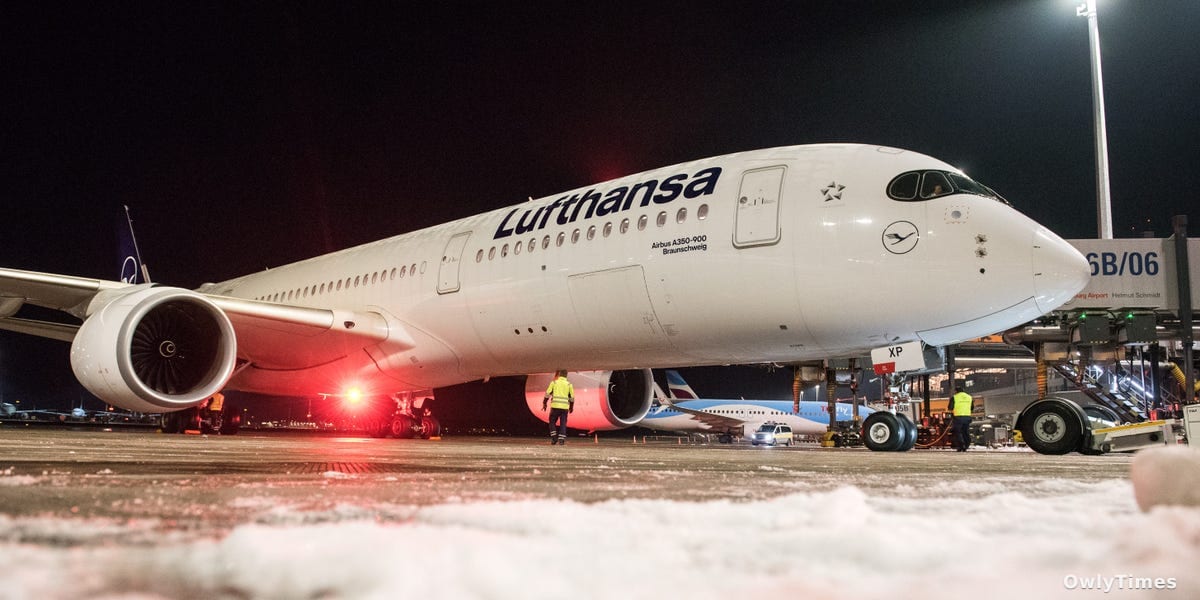

600 passengers stranded overnight on stationary aircraft at Munich Airport – a figure that underscores a systemic breakdown in winter weather preparedness within Europe’s aviation infrastructure. While isolated incidents of flight delays are commonplace, the scale of this disruption, compounded by a reported lack of basic provisions for those stranded, points to a deeper issue than simply bad weather. This wasn’t a matter of inconvenience; it was a failure of logistical planning with potential legal and financial ramifications for Lufthansa, Air Arabia, and Munich Airport itself.
The Cost of Delayed Response
The incident, occurring on February 20th, saw six flights – five operated by Lufthansa Group and one by Air Arabia – unable to depart before the airport’s extended 1 a.m. curfew due to heavy snowfall. Approximately 100 flights were already canceled that day, creating a bottleneck at the gates. However, the core problem wasn’t the cancellations themselves, but the subsequent inability to offload passengers. The airport’s explanation – “severely restricted” bus service due to “late hour and communication problems” – rings hollow when considering Munich Airport is the 10th busiest in Europe, handling over 44.88 million passengers in 2023. A 15% increase year-over-year demonstrates the airport’s capacity, yet it seemingly lacked a contingency plan for a foreseeable event like a snowstorm. The delay in mobilizing buses, reportedly taking “hours” according to a Lufthansa spokesperson, suggests a critical failure in pre-arranged contracts or a lack of readily available resources.
Drawn from Business Insider.
The financial implications are already beginning to surface. Lufthansa has pledged “appropriate compensation payments” to affected passengers, a move that, while expected, will undoubtedly impact the airline’s Q1 earnings. While the exact cost remains unknown, similar mass-delay incidents have resulted in payouts exceeding several million euros. Beyond direct compensation, the reputational damage is significant. Passengers like Søren Thieme, who detailed the lack of food, drink, and blankets to Ekstra Bladet, represent a growing chorus of dissatisfaction. This negative publicity translates to lost future business and erodes brand loyalty – a cost difficult to quantify but substantial nonetheless.
Regulatory Scrutiny and the Police Report
The fact that the Upper Bavaria North Police have launched an investigation, with a report due to the public prosecutor, elevates this beyond a simple customer service failure. Chief Inspector Sven Otto confirmed no complaints had been filed as of Monday, but the police investigation suggests potential violations of passenger rights regulations. European Union law (Regulation 261/2004) mandates airlines provide care – including meals, refreshments, and accommodation – to passengers facing significant delays. The reports of passengers being denied access to the terminal and lacking basic necessities raise serious questions about compliance. The investigation will likely focus on whether the airport and airlines fulfilled their legal obligations, and whether negligence played a role in the prolonged delay.
This incident also highlights a broader trend of increasing scrutiny on airport operations. In 2023, major airports across Europe experienced significant disruptions due to staffing shortages and infrastructure limitations. The European Commission has repeatedly urged member states to invest in airport infrastructure and improve coordination between airlines and airport authorities. Munich’s failure to adequately respond to a predictable weather event will likely fuel further calls for stricter regulations and increased oversight.
Beyond Munich: A Systemic Vulnerability
The situation at Munich isn’t an isolated case. Similar incidents, albeit on a smaller scale, have occurred at airports across Europe during winter storms. This points to a systemic vulnerability in the continent’s aviation infrastructure. Airports often operate at near-full capacity, leaving little room for error when disruptions occur. The reliance on just-in-time logistics, while efficient under normal circumstances, creates a cascading effect when delays ripple through the system. The lack of readily available backup resources – buses, ground staff, accommodation – exacerbates the problem.
Air Arabia’s silence on the matter is also noteworthy. While Lufthansa has publicly apologized and offered compensation, the UAE-based airline’s lack of comment raises questions about its accountability and responsiveness to passenger concerns. This disparity in communication could further damage its reputation in the European market.
What this means for your wallet
The immediate impact for consumers is clear: increased risk of disruption during peak travel seasons, particularly winter. Expect airlines to factor the potential cost of compensation and reputational damage into ticket prices, meaning fares are likely to rise. More importantly, this incident should prompt travelers to purchase comprehensive travel insurance that covers delays and cancellations, including provisions for accommodation and meals. Beyond individual insurance, the long-term question is whether European aviation authorities will prioritize investment in resilient infrastructure and enforce stricter regulations to prevent similar incidents from happening again. Will we see a shift towards prioritizing passenger welfare over maximizing airport capacity? That’s the scenario to watch for in the coming months.





