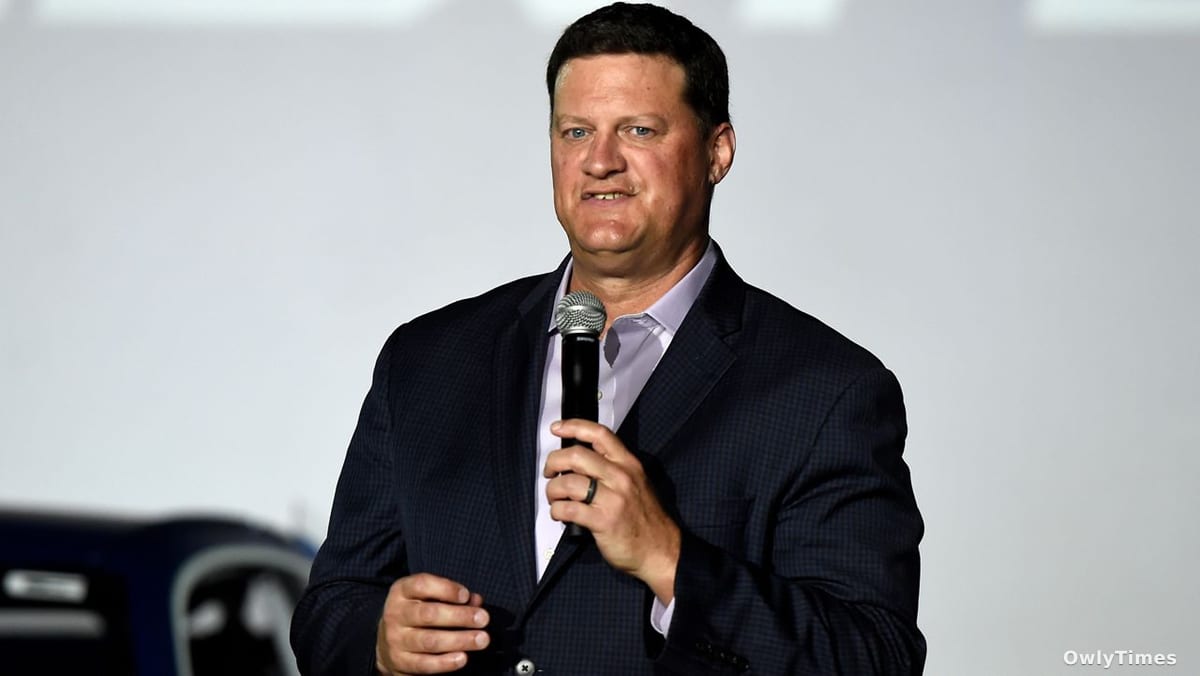

For the first time since Bill France Sr. founded the racing series in 1948, the chief executive officer of NASCAR will not carry the France family name. The appointment of Steve O’Donnell as CEO, announced Saturday at Talladega Superspeedway, marks a fundamental shift in the governance of an organization that has been under dynastic control for over three-quarters of a century. Following the departure of Jim France from the CEO role—though he retains his position as chairman and his majority ownership stake—the leadership transition represents more than just a title change; it is a calculated attempt to stabilize a commercial enterprise currently navigating the fallout of intense legal and internal turbulence.
A Decoupling of Governance and Ownership
Follow the money and the power, and you see a distinct separation emerging between the boardroom and the track. While Jim France remains the primary shareholder, his decision to step down as CEO follows a period of significant operational friction. His tenure, which began after the 2019 resignation of his nephew, Brian France, was characterized by a hardline stance during the negotiations for the 2025 revenue-sharing agreement. This approach, while perhaps intended to protect the sanctioning body’s bottom line, backfired in the form of an antitrust lawsuit filed by Michael Jordan’s 23XI Racing and Front Row Motorsports. The eventual December settlement, which granted teams the permanent charters they demanded, signaled that the era of absolute unilateral control had reached a breaking point.
The Cost of Internal Turmoil
The human capital cost of these negotiations was high, most notably marked by the resignation of Commissioner Steve Phelps earlier this year. His departure followed the disclosure of inflammatory text messages during the antitrust trial—a public relations blow that underscored the lack of cohesion between NASCAR’s leadership and its constituent teams. By elevating O’Donnell, who has spent 30-plus years within the organization’s marketing and competition departments, the ownership is clearly betting on institutional continuity. O’Donnell’s rapid ascent—having been named president only in March 2025—suggests a mandate to repair the fractured relationship with stakeholders who felt marginalized during the previous regime’s negotiations.
Operational Realignment Under New Leadership
The promotion of Ben Kennedy to chief operating officer alongside O’Donnell ensures that the France family influence remains deeply embedded in the daily operations of the sport. Kennedy, the son of executive Lesa Kennedy France and a great-nephew of the outgoing CEO, provides a bridge between the founding legacy and the new executive team. Jim France himself acknowledged this transition, stating that the pair is positioned to "take this thing even further." The immediate objective for O’Donnell is to execute the "moves" he promised to return the series to its roots, a pivot that likely requires a delicate balance between increasing fan engagement and managing the long-term financial commitments finalized in the recent charter settlements.
Assessing the Competitive Future
For investors and fans, the stability of NASCAR’s business model now rests on O’Donnell’s ability to unite a sport that has spent the last year in a defensive legal posture. The next reading of the industry's health will be found in how effectively the new leadership manages the implementation of the 2025 revenue-sharing agreement and whether these structural changes successfully mitigate further litigation risks. With the legal battles settled, the focus shifts to whether the organization can reclaim its "badass" reputation without the volatility that defined the preceding five years.





