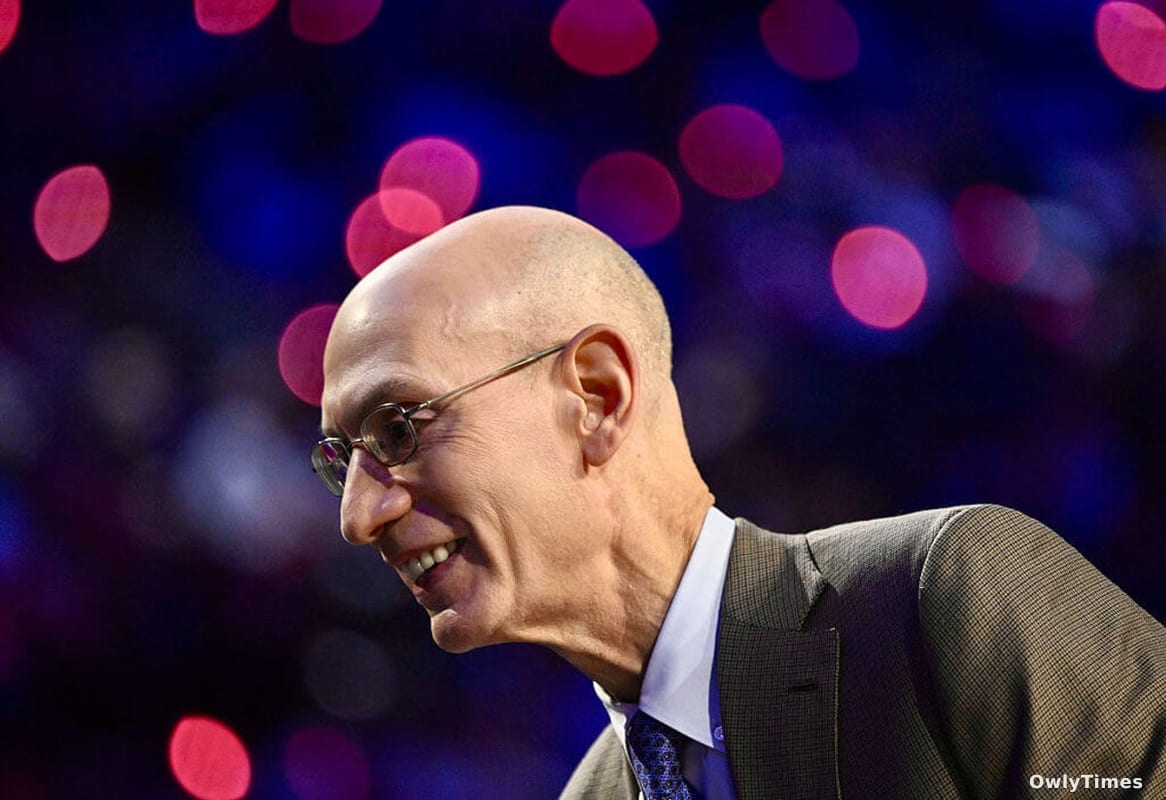

The air in Inglewood, California hung thick with anticipation Saturday, not from the usual playoff fervor, but from a quiet revolution brewing within the NBA. Adam Silver, facing a barrage of questions, didn’t dismiss the unthinkable: a future without the draft as we know it. It wasn’t a declaration, but a crack in the foundation of a system increasingly seen as enabling the very behavior it was designed to prevent – tanking. This isn’t just about basketball; it’s about the corrosive effect of calculated losing on the integrity of competition, and a league grappling with its own success. The NBA, flush with cash and global appeal, is facing a crisis of competitive spirit, and the conversation around dismantling the draft is a symptom of a much deeper malaise.
The recent fines levied against the Utah Jazz ($500,000) and Indiana Pacers ($100,000) for benching healthy players felt less like justice and more like a slap on the wrist. Fans rightly cried foul, seeing selective enforcement while teams like the Kings, Wizards, and Nets have engaged in similar tactics with impunity. But the fines miss the point. With franchises now valued in the billions, bolstered by foreign investment and run by figures accustomed to manipulating markets, a $500,000 penalty is a rounding error for a team strategically sacrificing wins for draft position. The looming 2026 draft, projected to be a generational class, has only amplified this incentive, turning entire seasons into auditions for lottery luck. Silver himself acknowledged the problem, stating there’s “talk about every possible remedy” to stop the behavior, even considering taking future draft picks away from offending teams.
Original reporting: The New York Times.
This isn’t simply about a few bad actors; it’s about the inherent flaw in a system that rewards losing. The NBA draft and lottery, originally intended to provide parity, have morphed into a form of corporate welfare for struggling franchises. Teams aren’t earning talent; it’s being given to them. The Dallas Mavericks saga last year, trading away Luka Dončić only to miraculously land Cooper Flagg with a 1.8% lottery chance, perfectly illustrates the absurdity. While Mavericks fans celebrated, teams languishing in mediocrity were left to stew, knowing they’d have to tank again to have a shot at a franchise-altering player. It’s a system that devalues effort, rewards cynicism, and ultimately undermines the product on the court. The outrage wasn’t that Dallas got lucky, but that luck, rather than sustained organizational success, dictated their future.
The comparison to college sports is instructive. While National Signing Day generates excitement, it doesn’t guarantee success. Programs across the spectrum recruit top talent, and players choose schools based on a multitude of factors beyond just location or tradition. Imagine an NBA where players could choose from all 30 teams, forcing franchises to prove their worth. Ownership would need a track record of competence, a willingness to invest in player development, and strong relationships with agents and shoe companies. Teams would have to earn the right to attract and retain talent, fostering a culture of sustained success rather than relying on lottery wins. This isn’t about making it harder for smaller markets; it’s about leveling the playing field and demanding accountability.
The NBA’s relative scarcity of roster spots – 450 compared to 1,696 in the NFL or 780-1200 in MLB – already mitigates the risk of talent hoarding. The salary cap and luxury tax further prevent any single team from dominating the market. Oklahoma City, Indiana, Milwaukee, Minnesota, Cleveland, San Antonio, and Detroit all boast superstars acquired through a combination of draft picks and trades, demonstrating that sustained success is possible even without relying solely on lottery luck. The fact that these stars haven’t demanded trades to larger markets speaks volumes about the growing appeal of stable, well-run organizations. The league isn’t facing a talent distribution problem; it’s facing a motivation problem.
Adam Silver acknowledged the issue, noting that the gap between the 22nd and 30th teams might not be as significant as the records suggest, due to the incentive to tank. The Pacers’ situation, derailed by Tyrese Haliburton’s injury, highlights the fragility of even well-constructed teams and the unpredictable nature of the game. But the core issue remains: a system that incentivizes losing is fundamentally broken. We’re at a point where radical solutions, like eliminating the draft and lottery altogether, are no longer fringe ideas. The question now isn’t if the NBA needs to change, but how far it’s willing to go. Will the league finally prioritize competitive integrity over the comfort of the status quo, or will it continue to tinker around the edges while the specter of tanking continues to haunt the game? The next few months, as the league explores potential reforms, will be critical in determining the future of the NBA – and whether it can truly live up to its potential as the world’s most compelling basketball league.

