
Beyond “Fixing” Obamacare: Western North Carolina Candidates Grapple with Systemic Healthcare Costs
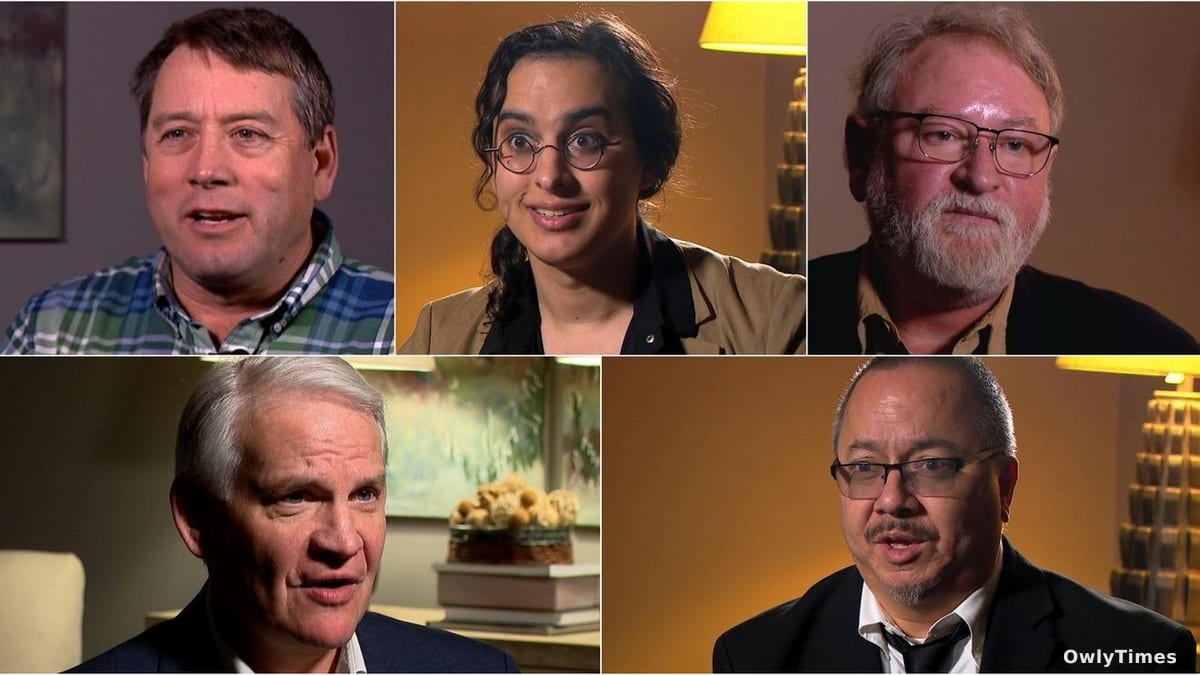
The approaching March 3rd primary in western North Carolina isn’t simply a contest of personalities; it’s a referendum on how deeply voters believe the American healthcare system is broken, and what kind of repair – or replacement – they desire. While national headlines often frame the debate around the Affordable Care Act (ACA), the responses from five Democratic candidates – Lee Whipple, Paul Maddox, Jamie Ager, Richard Hudspeth, and Zelda Briarwood – reveal a more nuanced conversation unfolding, one that acknowledges the ACA’s limitations while diverging sharply on the path forward. It’s not just about subsidies or cash payments; it’s about fundamentally questioning whether incremental adjustments can address a system demonstrably failing to deliver value for its immense cost.
The core of the disagreement stems from a stark economic reality. As Richard Hudspeth pointed out, the United States spends over $5 trillion annually on healthcare – exceeding the healthcare expenditures of comparable wealthy nations by more than double – yet consistently underperforms in key health metrics like life expectancy. This isn’t a matter of simply helping individuals afford existing plans; it’s a question of why, despite unprecedented spending, Americans aren’t getting more for their money. The candidates’ responses, collected by WLOS, reflect varying degrees of acceptance of this fundamental imbalance. Hudspeth’s call for a national health plan, for example, directly addresses the systemic issues driving up costs, while others focus on mitigating the immediate financial burden on families.
Original reporting: wlos.com.
The immediate debate centers on the ACA subsidies, often presented as the primary tool for affordability. Jamie Ager and Paul Maddox both characterized these subsidies as temporary measures, a “Band-Aid” and “temporary fix” respectively. This isn’t necessarily a rejection of the ACA itself, but a recognition that subsidies, while helpful, don’t address the underlying drivers of high premiums and deductibles. Maddox’s dismissal of direct cash payments as “a slap in the face” is particularly telling; he argues that simply providing funds without addressing the complexities of the insurance marketplace is unrealistic and ultimately ineffective. This highlights a tension between providing immediate relief and enacting lasting reform – a tension many voters likely feel acutely.
However, the urgency of the situation, particularly in a region like western North Carolina with struggling rural hospitals, complicates the calculus. Ager’s analogy of “the house is on fire” underscores the need for immediate stabilization, even if it means propping up a flawed system with subsidies. He explicitly links healthcare affordability to the survival of these vital community institutions, suggesting that short-term fixes are necessary to prevent further collapse. This perspective acknowledges that systemic change, while desirable, takes time, and that immediate needs must be addressed. The fact that all candidates expressed dissatisfaction with the current system suggests a broad consensus that the status quo is unsustainable, even if they disagree on the speed and scope of intervention.
Lee Whipple’s advocacy for Medicare for All represents the most radical departure from the current framework. His vision isn’t about tweaking the ACA, but about phasing out the insurance-driven system altogether, viewing large insurance companies as “bloated” and wasteful. Zelda Briarwood echoes this sentiment, emphasizing opposition to profiting from healthcare and actively researching universal healthcare models abroad. While these proposals are likely to be met with strong opposition, they reflect a growing appetite for fundamental change, particularly among voters who feel left behind by the current system. Briarwood’s emphasis on “evidence-based legislative proposals” is a crucial point; the success of any universal healthcare model hinges on careful planning and adaptation to the specific needs of the American population.
Limitations to consider are significant. The candidates’ statements, while informative, are primarily campaign rhetoric. Translating these broad visions into concrete policy proposals will require navigating complex political realities and addressing legitimate concerns about cost, access, and quality of care. Furthermore, the focus on Democratic candidates provides only one side of the healthcare debate; understanding the perspectives of Republican voters will be crucial in shaping any viable solution.
The next critical step is to watch how these candidates respond to specific questions about implementation. How would Whipple finance a transition to Medicare for All? What specific reforms does Hudspeth envision within a national health plan? And, crucially, how will each candidate address the immediate crisis facing rural hospitals in western North Carolina? The answers to these questions will reveal not only their policy priorities, but also their ability to translate vision into practical, actionable solutions. Voters should be looking beyond promises of “fixing” Obamacare and demanding concrete plans for a healthcare system that delivers both affordability and value.





