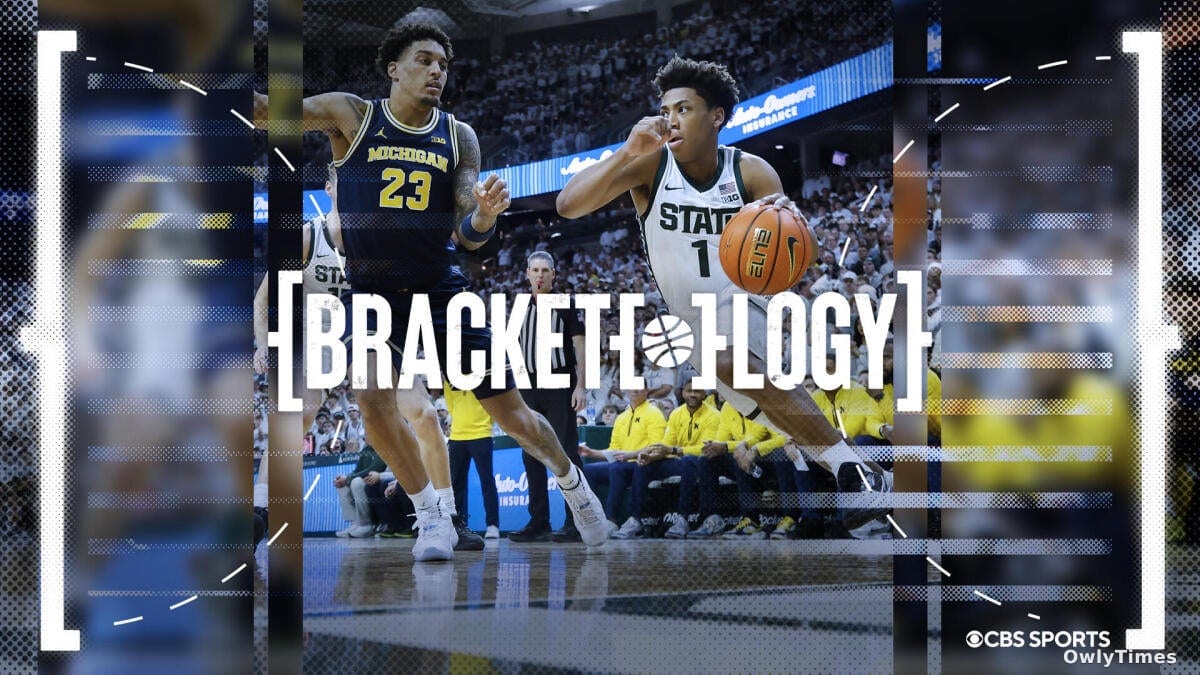

The air in Indianapolis is thick with anticipation, not just of March Madness itself, but of the frantic week leading up to it. Selection Sunday for the 2026 NCAA Tournament is a mere seven days away, and the bracket remains stubbornly, thrillingly unresolved. It’s a scene familiar to anyone who’s followed college basketball – the late-night bracketologists, the frantic calculations, the simmering anxieties of coaches and athletic directors. But this year feels different. It’s not just about who will make the tournament, but about how much chaos conference tournament week will unleash, and whether the established order will hold. Because beyond the headlines of potential No. 1 seeds and bubble teams, this moment reveals a deeper truth about the sport: its inherent unpredictability, and the ever-increasing pressure cooker environment created by the pursuit of a $1.7 billion NCAA basketball television deal.
A trio of teams – Duke, Michigan, and Arizona – have positioned themselves as near-locks for the top seeds, but the landscape below them is a shifting mosaic. The battle for the overall No. 1 seed is a heavyweight bout between these three, with Duke currently holding a slight edge thanks to a head-to-head win over Michigan and dominance in key predictive metrics. But conference tournament wins, or unexpected losses, could easily rewrite that narrative. This isn’t just about bragging rights; the No. 1 overall seed often enjoys a perceived easier path through the tournament, a significant advantage in a single-elimination format. The stakes are amplified by the fact that Houston has successfully maneuvered to potentially host its Sweet Sixteen and Elite Eight games in the Toyota Center, a massive home-court advantage if they can secure a favorable seed. The Cougars need to be either a No. 1 or No. 2 seed to make that happen, adding another layer of intensity to their Big 12 Tournament run.
Original reporting: CBS Sports.
The tension isn’t confined to the top of the bracket. Teams like Purdue and Iowa State, currently projected as No. 3 seeds by CBS Sports Bracketology, have stumbled down the stretch. Can they rediscover their form and make a push for a No. 2 seed, or will they falter and flirt with a dangerous early-round matchup? The gap between the worst No. 2 seeds and the best No. 5 seeds is surprisingly narrow, creating a fertile ground for upsets and unexpected runs. A strong showing in their respective conferences could dramatically simplify the tournament paths for teams in that range, turning a potential minefield into a more manageable journey. This speaks to a broader trend in college basketball: the increasing parity, where the difference between a top-10 team and a fringe tournament contender is often a handful of possessions.
Then there’s Kentucky, a team perpetually under the microscope. The Wildcats’ fate hinges on avoiding an 8/9 game, which could pit them against a No. 1 seed in the second round – a brutal assignment. Their opening-day SEC Tournament game will be crucial, not just for seeding, but for momentum. The Wildcats’ situation highlights a recurring theme in the tournament: the inherent unfairness of the seeding process. A team with a strong regular season record can be unfairly penalized by a tough conference tournament draw, while a weaker team might benefit from a favorable path. This is a constant source of frustration for coaches and fans alike, and fuels the ongoing debate about expanding the tournament field to reduce the impact of seeding luck.
The drama extends beyond the seeded teams to the frantic scramble for the final at-large bids. Saturday’s struggles from bubble teams have created a chaotic landscape, with no clear frontrunner for the last few spots. Stanford currently holds the final bid, but their position is precarious. The emergence of “bid thieves” – teams that unexpectedly win their conference tournaments and steal a bid from a deserving at-large contender – is a very real possibility. Leagues like the MAC, Mountain West, and Atlantic 10 are ripe for upsets, and a surprise champion could dramatically reshape the bubble picture. This phenomenon underscores the inherent unpredictability of the tournament, and the importance of conference tournaments as a proving ground for teams on the cusp. The SEC currently leads all conferences with 10 teams projected to make the field, but the Big Ten and Big 12 boast stronger overall collections of high-seeded teams.
But beyond the wins and losses, the bracketology and the seedings, there’s a human cost to this pressure. Injuries to key players – JT Toppin at Texas Tech, Caleb Wilson at North Carolina, and Richie Saunders at BYU – have significantly impacted their teams’ prospects. The NCAA’s official stance is to evaluate teams “as of the start of the NCAA Men's Basketball Championship,” but the impact of these absences is undeniable. It raises a difficult question: how much should a team’s potential be weighed against its current reality, especially when a key player is sidelined? This isn’t just a statistical debate; it’s about the dreams and aspirations of young athletes, and the sacrifices they make to compete at the highest level.
As Selection Sunday approaches, the focus will inevitably be on the bracket reveals and the potential for upsets. But the real story is about the relentless pressure, the unpredictable nature of the game, and the human drama that unfolds both on and off the court. Will the committee prioritize predictive metrics or subjective impressions? Will a surprise conference tournament champion shake up the established order? And, perhaps most importantly, will the increasing commercialization of the tournament – fueled by massive television deals and the pursuit of revenue – continue to overshadow the joy and passion that make March Madness so captivating? That’s the question everyone should be watching for as the final bracket takes shape.