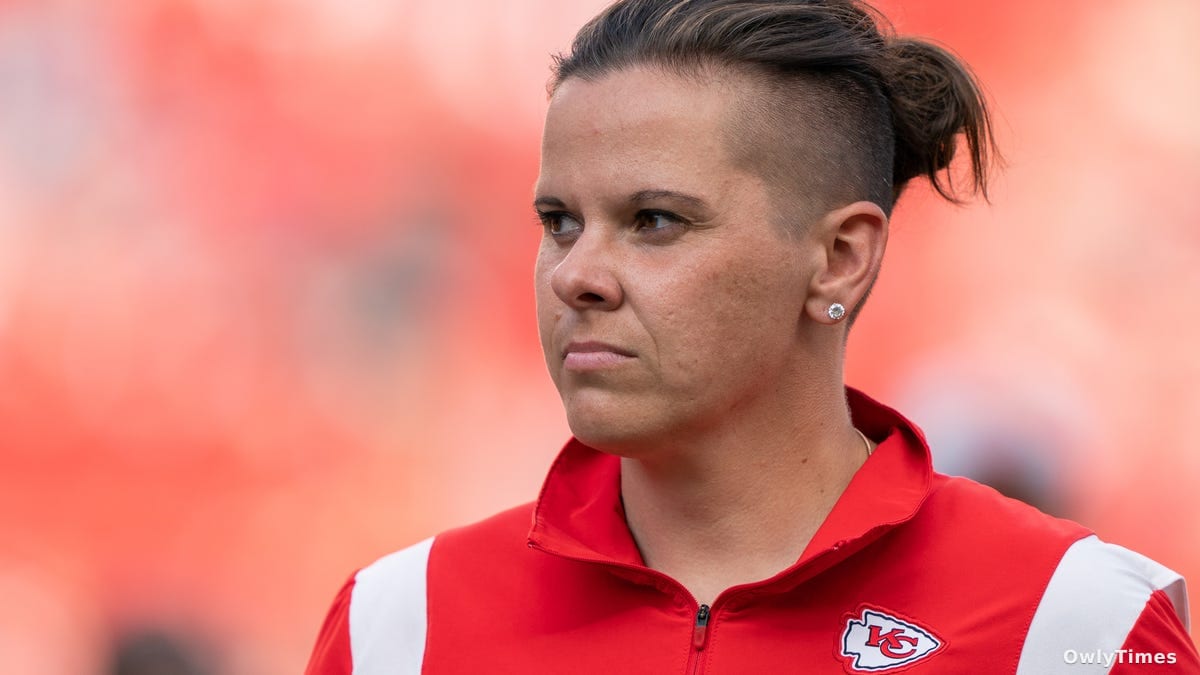

The Lincoln air crackled with a different kind of anticipation this week, not the usual fervor for Husker football, but a burgeoning excitement for something entirely new. It wasn’t a five-star recruit signing a letter of intent, but a dual hiring announcement that sent ripples through the college sports landscape. Nebraska didn’t just name coaches for its groundbreaking women’s flag football program; they signaled a seismic shift in how we define athletic opportunity, and who gets to define it. The appointment of Liz and Katie Sowers isn’t simply about building a team – it’s about building a future, and challenging the long-held assumptions about what constitutes a “major” sport.
A Dynasty in the Making: The Sowers’ Proven Track Record
The name Sowers already carries weight in football circles, though perhaps not in the way most associate with the Power 4. Katie Sowers made history in 2020 as the first woman and openly gay coach to stand on the sidelines during the Super Bowl with the San Francisco 49ers. But it’s her twin sister, Liz Sowers, who arrives in Lincoln with a coaching resume that’s nothing short of dominant. Five consecutive NAIA National Championships at Ottawa University, an 88-8 overall record, and three Coach of the Year awards don’t just speak to skill; they speak to a relentless ability to build winning programs from the ground up. This isn’t a program inheriting a legacy; it’s inheriting a builder. What’s particularly striking is the global reach of Liz’s recruiting – athletes from 17 states and four countries drawn to a small Kansas university. That’s a testament to a vision that extends beyond regional rivalries, a vision Nebraska athletic director Troy Dannen clearly recognized. “Together they have built a championship program at the NAIA level and have experienced success working with national teams,” Dannen stated, acknowledging the pair’s proven ability to cultivate talent.
Reporting from USA Today informs this analysis.
Beyond the Sidelines: Flag Football’s Cultural Ascent
The timing of this announcement isn’t accidental. Women’s flag football is experiencing a surge in popularity, fueled by its upcoming debut at the 2028 Los Angeles Olympics and significant investment from the NFL. The league is actively seeding the sport at the collegiate level, with the Carolina Panthers and New York Jets contributing substantial funding to conferences and leagues. But this isn’t just about the NFL recognizing a potential new revenue stream. It’s about responding to a demand. Participation in flag football is skyrocketing, particularly among young girls who may not see a clear path to participation in traditional tackle football. The NCAA’s inclusion of flag football in its Emerging Sports for Women program – requiring sponsorship by at least 40 schools to achieve championship status – is a critical step, and Nebraska’s move accelerates that process. Already, 16 Division I schools have committed, and dozens more at lower levels. The sport is on track to meet the NCAA’s requirements, potentially as early as 2027.
The Nebraska Effect: Setting a New Standard
What makes Nebraska’s decision so impactful isn’t just that they’re adding the sport, but who they are. The Cornhuskers are a program steeped in tradition, a brand synonymous with football excellence. For them to embrace flag football, and to do so with such visible enthusiasm, sends a powerful message. It’s a validation of the sport’s legitimacy, and a challenge to other Power 4 institutions to follow suit. Liz Sowers understands the weight of that expectation. “This is the start of a new era, and we intend to set the standard,” she declared. This isn’t about simply offering another athletic opportunity; it’s about creating a program that embodies the values of excellence and inclusivity that Nebraska fans demand. Katie Sowers echoed that sentiment, recognizing the passionate fanbase and the potential to “give this amazing fanbase another sport to rally behind.”
What’s Next for the Collegiate Flag Football Landscape?
The hiring of the Sowers sisters isn’t just a win for Nebraska; it’s a catalyst for change. It forces a reckoning with the traditional hierarchy of college sports, and a re-evaluation of what constitutes “value” in an athletic program. Will other Power 4 schools respond with similar investments? Will the NCAA accelerate its timeline for championship status? And perhaps most importantly, will this moment inspire a new generation of young women to pick up a flag and redefine what’s possible on the field? The question isn’t whether flag football will succeed – the momentum is already undeniable. The question is whether the rest of college athletics will adapt, or be left behind.

