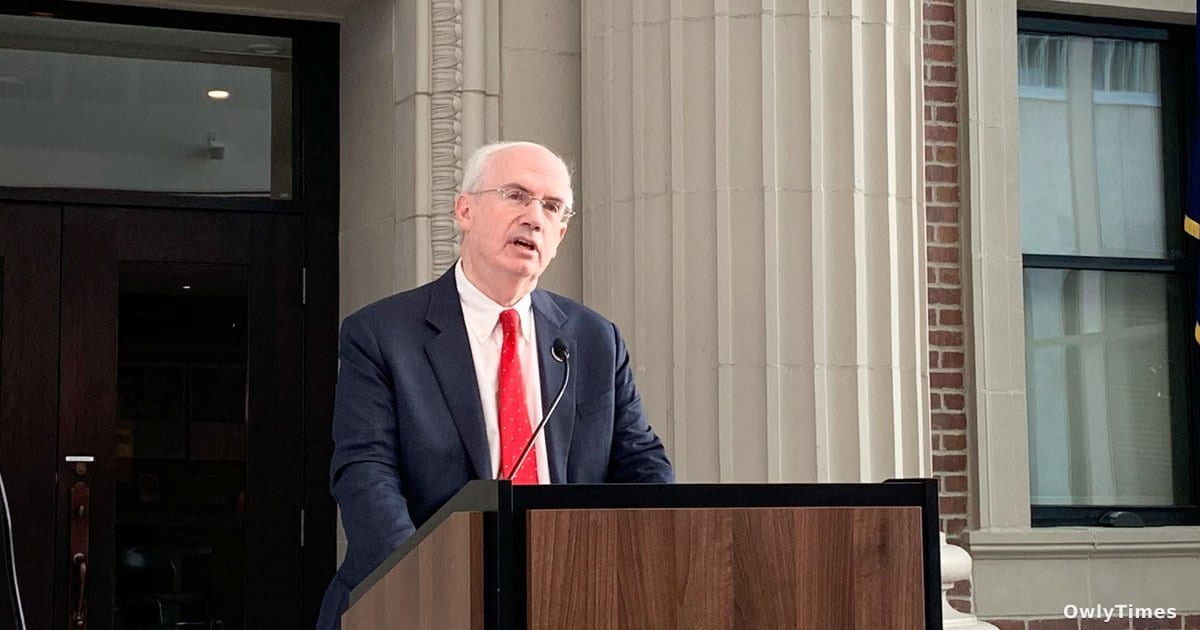

The chipped paint on the Memorial Stadium press box feels colder this year, even in the late summer heat. It’s not the weather, but the weight of uncertainty hanging over college football – a feeling amplified by the news that University of Nebraska President Jeffrey Gold will be trading the sidelines for a seat at the table with Donald Trump next week. It’s a gathering framed as a fix-it mission for college sports, but feels more like a reckoning, a desperate attempt to apply political pressure to a system spinning out of control. This isn’t about school spirit; it’s about power, money, and the future of a uniquely American institution.
The Shifting Landscape of College Football
The invitation list reads like a who’s who of college sports influence, from conference commissioners to former coaches, and notably, figures like Ron DeSantis and Randy Levine serving as vice chairs. But the core issue isn’t a lack of influential voices, it’s a fundamental clash of values. The problems identified – the transfer portal, NIL deals, conference realignment, and financial inequity – aren’t isolated incidents, they’re symptoms of a system prioritizing revenue over the student-athlete experience and, increasingly, competitive balance. The Big Ten, Nebraska’s home, is ground zero for this transformation. When the Cornhuskers joined in 2011, it was a conference of 12. Now, at 18 members and expanding, it’s a behemoth driven by media rights and market share, leaving smaller conferences and institutions scrambling to survive.
This article draws on reporting from nebraskapublicmedia.org.
The financial disparities are staggering. The Athletic’s recent report revealing Ohio State’s $336 million in athletic revenue for the 2025 fiscal year – a figure $132 million higher than Nebraska and a breathtaking $212 million above Maryland – isn’t just a number, it’s a declaration. It’s a clear indication that the gap between the “haves” and “have-nots” isn’t just widening, it’s becoming a chasm. This isn’t simply about Nebraska being “behind”; it’s about a system designed to concentrate wealth at the top, effectively creating a professionalized tier within college athletics. Governor Jim Pillen’s gratitude for President Gold’s inclusion feels less like celebration and more like a plea for Nebraska to have a voice in shaping its own fate.
Beyond the Headlines: A Crisis of Identity
What’s often lost in the discussion of revenue and realignment is the cultural significance of college sports. President Gold’s statement acknowledging the connection to “long-held traditions” and “shared identity” rings hollow when juxtaposed with the ruthless expansion and commercialization happening simultaneously. The transfer portal, while offering athletes agency, has also fostered a mercenary mindset, turning team loyalty into a transactional exchange. NIL deals, intended to empower athletes, have created a Wild West of unregulated endorsements, further exacerbating the financial divide and raising questions about amateurism. These aren’t simply “problems to be fixed”; they represent a fundamental shift in the ethos of college athletics.
The involvement of Donald Trump adds another layer of complexity. His history of business dealings and penchant for disruption suggest a willingness to challenge the status quo, but also a potential for further polarization. The roundtable isn’t a neutral arbitration; it’s a political intervention, and the solutions proposed will likely reflect the ideological leanings of its chair and vice chairs. The fact that Donde Plowman, President of the University of Tennessee and a former executive at Nebraska-Lincoln, is also participating highlights the interconnectedness of these institutions and the shared anxieties driving this conversation.
The Nebraska Connection: A State’s Stake in the Game
Nebraska’s situation is particularly poignant. The state’s identity is inextricably linked to its football program, and the recent struggles on the field have mirrored a broader sense of economic and cultural anxiety. The university is a major economic engine for the state, and a thriving athletic department is seen as vital to its overall success. But Nebraska isn’t a media market like Ohio State or Southern California. It’s a landlocked state with a relatively small population, making it increasingly difficult to compete financially in the new landscape of college athletics. President Gold’s presence at the roundtable isn’t just about protecting Nebraska’s interests; it’s about advocating for the future of institutions like it – those that prioritize community and tradition over sheer market dominance.
This isn’t just a story about football; it’s a story about the changing American landscape. The forces reshaping college sports – the relentless pursuit of revenue, the erosion of tradition, the widening gap between the rich and the poor – are the same forces reshaping our society as a whole. The question isn’t whether college sports can be “fixed,” but whether it can retain its cultural relevance in a world increasingly driven by profit and self-interest. Will the roundtable lead to meaningful reform, or will it simply reinforce the existing power structures? And, more importantly, what will college athletics look like in five years if Nebraska, and institutions like it, are left behind? That’s the question fans, alumni, and policymakers should be watching for.

