
The Authenticity Calculation: Newsom’s Democratic Reset
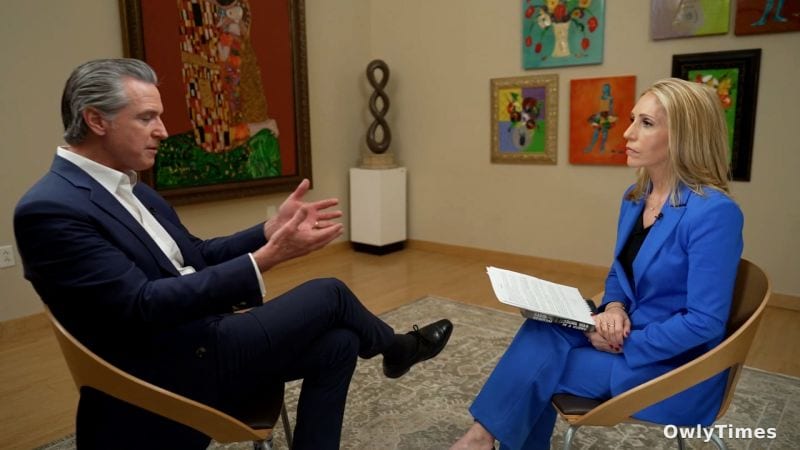
Gavin Newsom’s recent media blitz, culminating in interviews with Dana Bash and the release of his memoir, “Young Man in a Hurry,” isn’t simply a book tour. It’s a calculated repositioning of a key figure within the Democratic Party, designed to address a growing anxiety: the perception of disconnect between the party’s progressive ideals and the concerns of average voters. Newsom’s explicit articulation of his political philosophy – “I’m a better politician cause I’m more authentic, I’m more me. Love or hate me, just myself” – isn’t a confession of ego, but a strategic signal to a party grappling with electoral underperformance. The core calculus is simple: in a political climate increasingly defined by anti-establishment sentiment, authenticity, even if polarizing, is seen as a more valuable asset than ideological purity.
Reporting from CNN informs this analysis.
The timing of this messaging is critical. While Donald Trump’s approval ratings with independents are reportedly “cratering” – according to a new CNN poll – the underlying trend reveals a broader dissatisfaction with both parties. This isn’t a moment for doubling down on existing strategies, but for recalibrating. Newsom’s call for Democrats to be “more culturally normal,” as reported by CNN, directly addresses the critique that the party has become too focused on identity politics and “woke” issues, alienating working-class voters in key swing states. This echoes a historical pattern: after periods of intense ideological fervor, successful political movements often pivot towards a more pragmatic, broadly appealing message. Consider the Democratic Leadership Council in the 1990s, which similarly urged the party to move away from its perceived radicalism to regain the White House.
Who benefits and who loses from this shift? Newsom himself clearly stands to gain, solidifying his position as a potential national leader and a counterweight to the progressive wing of the party. The beneficiaries extend to moderate Democrats in districts that have been trending Republican, offering them a framework for appealing to voters who feel left behind by the current political discourse. The potential losers are those within the party who prioritize progressive purity over electoral viability. Figures like Senator Bernie Sanders and Representative Alexandria Ocasio-Cortez, while still influential, may find their voices less dominant as the party seeks to broaden its appeal. The tension is palpable: can the Democratic Party simultaneously maintain its commitment to social justice while adopting a more moderate tone?
The parallel debates surrounding tariffs and trade further illuminate the shifting power dynamics. The Supreme Court’s recent ruling on Trump’s tariffs, and the subsequent calls from figures like Senator Andy Kim to “give it back,” highlight a growing frustration with protectionist policies that disproportionately harm consumers and businesses. The case of the toy CEO who successfully challenged the tariffs, as reported by CNN, underscores the economic consequences of these policies. However, Secretary Bessent’s resistance to refunding the collected tariffs, and the Congressional debate over their role in enacting them, reveal a reluctance to fully abandon the populist rhetoric that fueled Trump’s rise. This contradiction – the desire for economic fairness versus the appeal of nationalist trade policies – is a central challenge for both parties.
The broader context of these events is the looming 2026 midterm elections, particularly in Texas border districts, which CNN identifies as flashing “warning signs.” These districts, traditionally Democratic, are increasingly vulnerable to Republican gains, driven by economic anxieties and concerns about border security. Newsom’s attempt to reframe the Democratic message is, in part, a response to this threat. It’s a recognition that winning back these voters requires a different approach – one that prioritizes economic opportunity and cultural understanding over ideological battles. Trump’s “performative cabinet,” as described by CNN, represents a contrasting strategy: doubling down on divisive rhetoric and appealing to a base of loyal supporters.
The political chess move to watch next isn’t a policy announcement, but a personnel decision. Will President Biden embrace Newsom’s call for a more “culturally normal” approach, and if so, will he appoint individuals who reflect this shift in strategy to key positions within his administration? The composition of his next cabinet, and the messaging surrounding those appointments, will be a clear indicator of whether the Democratic Party is genuinely committed to a course correction, or whether Newsom’s message is simply a solo act within a fundamentally unchanged political landscape.





