
The Texas primary wasn’t about policy preferences; it was a strategic calibration for 2028. The results reveal a party establishment acutely aware of its vulnerabilities and a willingness to prioritize electability – even if it means subtly shifting away from the progressive energy that fueled recent Democratic gains. Gavin Newsom and other potential presidential contenders are dissecting these returns not for what they say about Texas, but for what they signal about the national mood heading into a crucial election cycle. The core calculation is simple: can Democrats win by embracing bold change, or must they offer a more comforting, moderate vision to a weary electorate?
The Democratic Embrace of Moderation
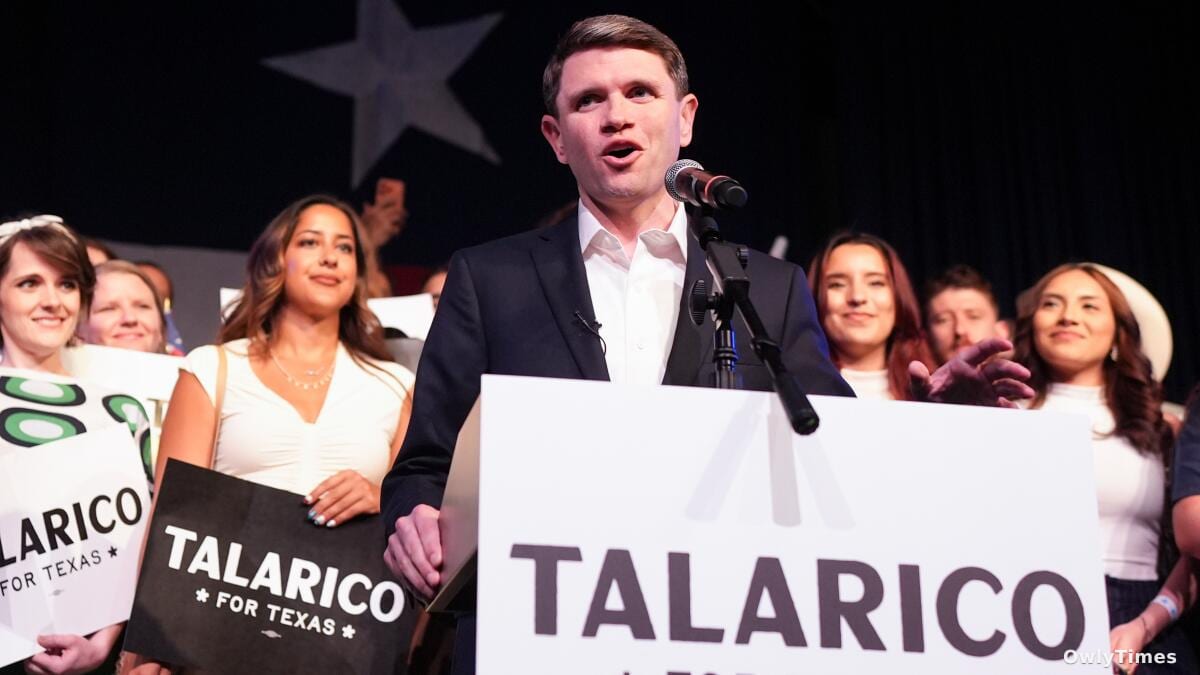
The victory of state Rep. James Talarico over U.S. Rep. Jasmine Crockett in the Democratic primary for Texas’ 35th congressional district is the focal point of this analysis. While both candidates held broadly progressive positions – including support for universal healthcare – Talarico’s appeal lay in his delivery. He presented a message of unity and optimism, a stark contrast to Crockett’s more assertive, “burn-it-down” approach. This isn’t a rejection of progressive policies, but a rejection of the tone surrounding them. Crockett’s loss, particularly among white and Latino voters, underscores a voter exhaustion with constant conflict and a desire for a less polarizing figure. The $70 million spent by establishment groups to support Talarico demonstrates the perceived importance of this stylistic shift. It’s a bet that voters haven’t abandoned the left, but they’re craving a less abrasive messenger. This echoes a historical pattern: after periods of intense social upheaval, voters often gravitate towards candidates who promise stability and reconciliation. Think of Richard Nixon’s 1968 campaign, capitalizing on the backlash against the 1960s counterculture, or Bill Clinton’s “New Democrat” strategy in 1992, which positioned him as a moderate alternative to the perceived excesses of both the left and the right.
Original reporting: the Los Angeles Times.
The Republican Party’s Internal Fracture
On the Republican side, the near-win of Texas Attorney General Ken Paxton against incumbent Senator John Cornyn reveals a deepening fracture within the party. While Cornyn ultimately secured a runoff, the fact that a candidate facing multiple scandals and embodying the most extreme elements of the MAGA movement came so close to defeating a long-serving establishment figure is deeply concerning for the GOP. Paxton’s embrace of Donald Trump’s false claims of voter fraud, his attendance at the January 6th insurrection, and his relentless pursuit of culture war battles resonated with a significant portion of the Republican base. The $70 million spent to prop up Cornyn highlights the establishment’s fear of a full-scale takeover by the MAGA wing. This dynamic mirrors the historical struggles within the conservative movement between its moderate and radical factions. The Goldwater movement of the 1960s, for example, foreshadowed the rise of the Tea Party and, ultimately, the Trump phenomenon – a consistent tension between ideological purity and pragmatic electability. The looming Trump endorsement in the runoff will be decisive, demonstrating the extent to which the party remains beholden to its former leader.
The Silent Influence of AI Money
Beyond the headline races, a more subtle but potentially more consequential trend emerged: the influx of money from the artificial intelligence industry. Super PACs funded by tech billionaires like Greg Brockman, Marc Andreessen, and Benjamin Horowitz are quietly shaping the political landscape, backing candidates who align with their interests on AI regulation. The strategy is deliberately opaque, avoiding direct advertising on AI issues and instead focusing on broader economic themes. This tactic reflects a sophisticated understanding of public opinion and a desire to avoid triggering a backlash against the rapidly evolving AI industry. This echoes the historical pattern of industries using “dark money” to influence policy decisions without attracting public scrutiny. The rise of corporate PACs in the post-Watergate era, for example, demonstrated how money can be used to circumvent campaign finance regulations and shape the political agenda. The AI industry’s approach is a 21st-century iteration of this strategy, leveraging the power of algorithms and data analytics to maximize its impact.
Who Benefits and Who Loses?
The beneficiaries of the Texas primary results are clear: Democratic moderates seeking a path to victory in swing states, establishment Republicans desperate to maintain control of their party, and the AI industry seeking to shape its regulatory future. The losers are those on the extremes of both parties – progressive activists hoping for a bold shift in Democratic policy, and MAGA loyalists who believe the Republican Party should fully embrace its populist wing. More broadly, the results suggest a growing disconnect between the political elite and the concerns of ordinary voters, who are increasingly disillusioned with partisan gridlock and ideological extremism.
The next political chess move to watch is Donald Trump’s endorsement in the Texas Senate runoff. Will he side with the establishment, backing Cornyn and potentially signaling a willingness to compromise? Or will he double down on his populist rhetoric, endorsing Paxton and further fracturing the Republican Party? The answer will not only determine the outcome of the Texas Senate race, but will also provide a crucial glimpse into Trump’s strategy for 2028 and the future of the Republican Party.





