
The chipped paint on the goalposts at Latrobe Memorial Stadium felt colder than usual this February. Not because of the Pennsylvania winter, but because of the quiet. For decades, the Steelers’ training camp was synonymous with the booming voice of Ben Roethlisberger, the swagger of a franchise quarterback. Now, as free agency looms, that silence is a stark reminder of what Pittsburgh is missing – and what they’re desperately trying to find. It’s not just about filling a position; it’s about recapturing an identity. The NFL’s quarterback carousel is about to spin, and the Steelers, with nearly $40 million in cap space, are poised to be major players, but the question isn’t simply who will they sign, but whether a short-term fix can bridge the gap to a future that feels increasingly uncertain.
The Quarterback Landscape: Beyond Draft Hype
The frenzy begins on March 9th, when pending free agents can officially negotiate. By March 11th, the league year will open, and the dominoes will start to fall. This year’s market is particularly intriguing because it’s a class of “prove-it” guys, veterans with something left to show, and a glaring weakness in the upcoming 2026 NFL Draft. The draft is thin on sure-thing quarterbacks; Indiana’s Fernando Mendoza, the Heisman winner, is likely to be off the board before the Steelers even pick at No. 2 overall. They hold four of the top 44 picks, a significant haul, but those assets feel less valuable without a quarterback to build around. This isn’t a year to swing for the fences with a rookie; it’s a year to find a steady hand, a veteran presence who can keep the ship afloat while the team continues to build through the draft.
This piece references the CBS Sports report.
Mariota’s Second Act and the Jets’ Calculated Gamble
That’s where Marcus Mariota comes into the picture. Once hailed as the savior of the Tennessee Titans, the 32-year-old has become a journeyman, a reliable backup who can step in and deliver when called upon. His 2025 stint with the Washington Commanders, throwing for 1,602 yards and a 91.3 passer rating while filling in for Jayden Daniels, proves he’s still capable. But the most logical landing spot isn’t necessarily about need, it’s about timing. The New York Jets, despite missing out on Mendoza, are in a fascinating position. They’ve invested heavily in their defense and have a star receiver in Garrett Wilson, but they’ve cycled through quarterbacks, including a disappointing run with Justin Fields, who averaged a career-low 6.2 yards per pass attempt. Mariota isn’t a savior, but he’s a competent passer who can elevate the offense and buy the Jets time. They’ll have three first-round picks in 2027, positioning them perfectly to make a serious run at a franchise quarterback when a more promising class emerges. A one-year, $10 million deal for Mariota feels like a calculated gamble, a way to stay competitive now while preparing for the future.
Rodgers’ Reunion and the Vikings’ Risky Bet
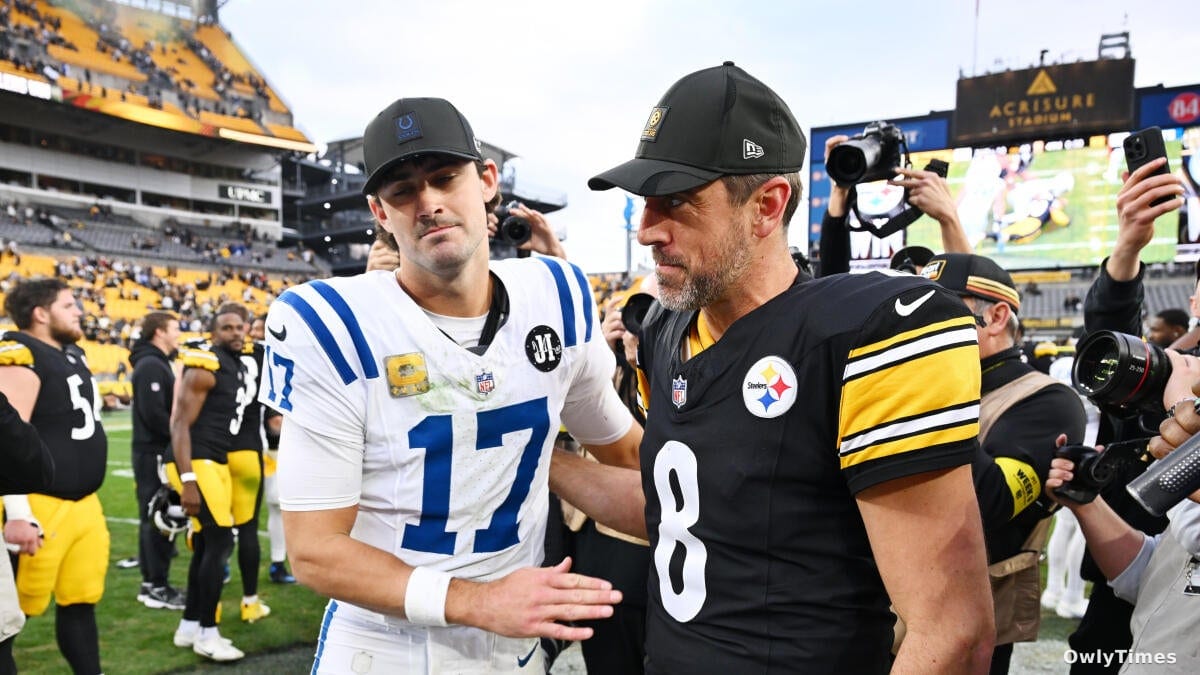
The intrigue doesn’t stop there. Aaron Rodgers, at 42, is contemplating another season, and his options are limited. A return to the Pittsburgh Steelers to reunite with Mike McCarthy, his former coach in Green Bay, makes sense. But the Minnesota Vikings, reeling from J.J. McCarthy’s disastrous 2025 season – a league-worst 57.6% completion percentage and a dismal 72.6 passer rating – are also in the mix. McCarthy’s failure led to the firing of General Manager Kwesi Adofo-Mensah, and the Vikings are desperate for stability. Rodgers, with his unparalleled football IQ and experience, could serve as a mentor to McCarthy, a “gap year” starter who can guide the young quarterback’s development. It’s a risky bet, relying on a veteran who’s coming off a significant injury, but the Vikings are in a precarious position, and Rodgers represents a potential lifeline. A one-year, $11 million deal for Rodgers feels like a desperate attempt to salvage a sinking season.
The Colts’ Commitment and the Price of Stability
Perhaps the most compelling story is that of Daniel Jones and the Indianapolis Colts. Jones was playing at an MVP level before a devastating Achilles injury cut his 2025 season short. His performance – a career-high 68% completion rate and 8.1 yards per pass attempt – was instrumental in the Colts’ aggressive trade for Sauce Gardner, a move that signaled a commitment to winning now. The Colts are all-in on Jones, and they’re willing to pay a premium to keep him. They’ve learned the hard way that relying on young quarterbacks is a gamble, as evidenced by the struggles of Anthony Richardson. A three-year, $99 million deal for Jones isn’t just about his on-field performance; it’s about the stability he brings to an organization that’s been searching for a franchise quarterback for years.
This free agency period isn’t about finding the next superstar; it’s about managing expectations, mitigating risk, and buying time. The Steelers, the Jets, the Vikings, and the Colts are all navigating a landscape where the future is uncertain, and the present demands immediate solutions. But the real question isn’t who gets signed, it’s whether these short-term fixes will actually work. Will Mariota be enough to keep the Jets competitive? Can Rodgers mentor McCarthy and restore order in Minnesota? And will Jones stay healthy and lead the Colts to the playoffs? The answers to those questions will not only shape the 2026 NFL season, but will also define the trajectory of these franchises for years to come. Will we see a new trend of teams prioritizing veteran stability over high-risk, high-reward draft prospects? That’s the storyline to watch as the league enters a new era of quarterback uncertainty.

