
The air in Kansas City feels different this Thursday, doesn’t it? Not the crisp, pre-season anticipation, but a calculated shift, a strategic gamble laid bare for everyone to see. It wasn’t a Super Bowl hangover the Kansas City Chiefs are battling, but a roster reckoning, punctuated by a blockbuster trade that sent cornerback Trent McDuffie to the Los Angeles Rams in exchange for a king’s ransom of draft picks – four in total, including a coveted 2026 first-rounder. While some might call it “F--- them picks mode,” as one observer quipped about Rams GM Les Snead’s reputation, the reality is far more nuanced. This isn’t about tearing down; it’s about a meticulous rebuild, a recognition that even dynasties need to evolve, and a willingness to sacrifice present stability for future potential. It’s a move that speaks volumes about the current state of the NFL, where the currency isn’t just talent, but the potential for talent, packaged neatly in draft capital.
The McDuffie trade isn’t happening in a vacuum. It’s part of a larger NFL narrative unfolding right now, one defined by aggressive roster maneuvering and a looming free agency period. The news out of New England is equally telling: the New England Patriots are releasing wide receiver Stefon Diggs after just one season, a move that feels less like a football decision and more like a statement. Diggs, who posted 1,013 yards and four touchdowns in 2025, will be a highly sought-after commodity, and the Tennessee Titans, looking to bolster options for rookie quarterback Cam Ward, are already being mentioned as potential suitors. This isn’t simply about filling a need; it’s about signaling a new era, a willingness to move on from past investments, and a commitment to building around a young core. The Patriots, once the model of sustained success, are now actively participating in the NFL’s constant churn, a stark reminder that even the most storied franchises are subject to the league’s relentless cycle of rebuilding.
Beyond the headlines of trades and releases, a quiet tension is building in women’s college basketball. The conference tournament season is already underway, and the stakes are higher than ever. Experts at CBS Sports HQ have logged their predictions, with a unanimous pick for UConn to dominate the Big East. But the SEC is proving to be a battleground, with Isabel Gonzalez boldly predicting a Texas victory over South Carolina, even on South Carolina’s home turf. Gonzalez’s reasoning – that Texas has already defeated South Carolina twice this season and is vying for a No. 1 seed in the NCAA Tournament – highlights a crucial point: these tournaments aren’t just about winning a conference championship; they’re about seeding, momentum, and establishing a narrative heading into March Madness. The pressure is immense, and the potential for upsets is palpable. This isn’t just about basketball; it’s about the increasing competitiveness of women’s college sports and the growing recognition of its importance in the broader athletic landscape.
This piece references the CBS Sports report.
The international sporting world is also buzzing. In baseball, Australia kicked off the World Baseball Classic with a 3-0 win over Chinese Taipei, a reminder that the sport’s global reach extends far beyond the American diamond. Team USA begins its quest for the title on Friday, and the tournament offers a unique opportunity to witness the best players from around the world competing on the same stage. Simultaneously, on the soccer pitch, the USWNT continued its recent dominance over Canada, securing a 1-0 victory in the SheBelieves Cup thanks to a goal from Ally Sentnor. This rivalry, fueled by years of competitive battles, reflects a broader geopolitical dynamic, a subtle but persistent assertion of American sporting prowess. The USWNT now needs a win or draw against Colombia to clinch the tournament title, a testament to their resilience and determination.
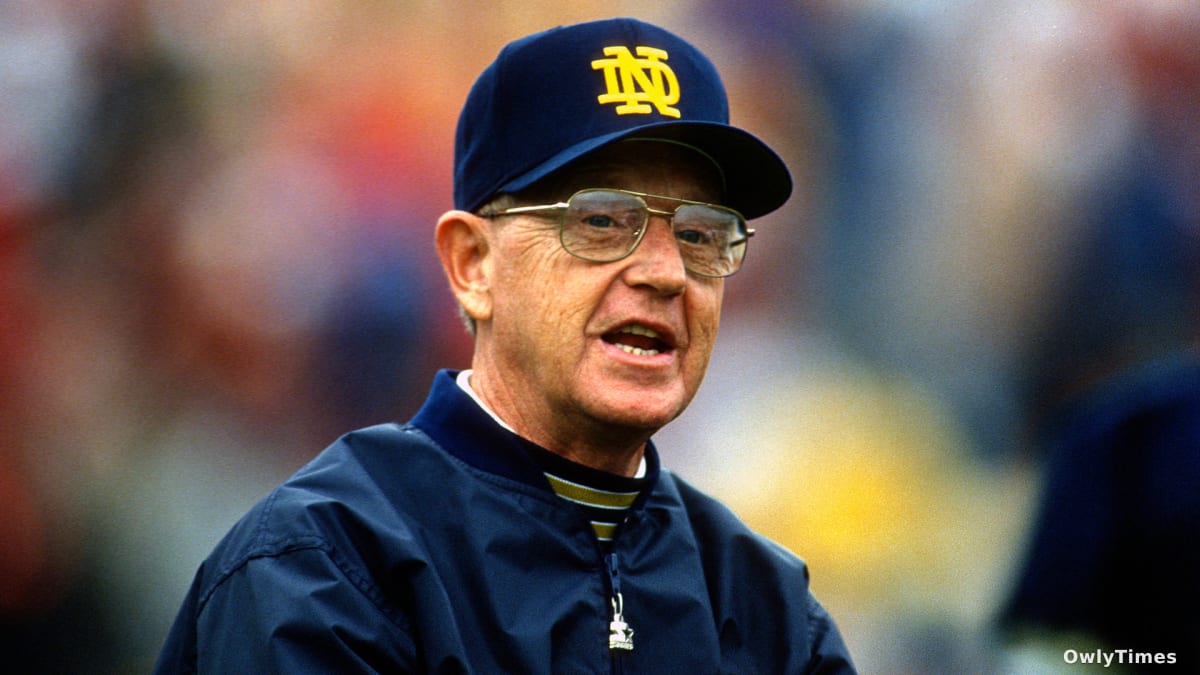
But amidst the victories and trades, there’s also a somber note. The passing of legendary Notre Dame coach Lou Holtz at 89 marks the end of an era. Holtz, a national champion and Hall of Famer, wasn’t just a coach; he was a personality, a storyteller, and a cultural icon. His success at Notre Dame, culminating in the 1988 national championship, cemented his legacy, and his subsequent career as a media personality further amplified his influence. Holtz’s death serves as a reminder of the human element behind the games we love, the individuals who shape the narratives and inspire generations.
What does all of this – the NFL’s strategic maneuvering, the rising stakes in women’s college basketball, the global reach of baseball, and the loss of a coaching legend – tell us? It suggests a sports landscape in constant flux, one where the lines between competition, business, and cultural significance are increasingly blurred. The question now isn’t just who will win, but how they will win, and what those victories will signify in a world that’s watching more closely than ever before. Will teams continue to prioritize draft capital over immediate success, potentially sacrificing short-term gains for long-term stability? And as the WNBA CBA deadline looms, will owners and players reach an agreement that truly reflects the value and importance of women’s basketball? These are the narratives to watch as the sporting world continues to unfold.