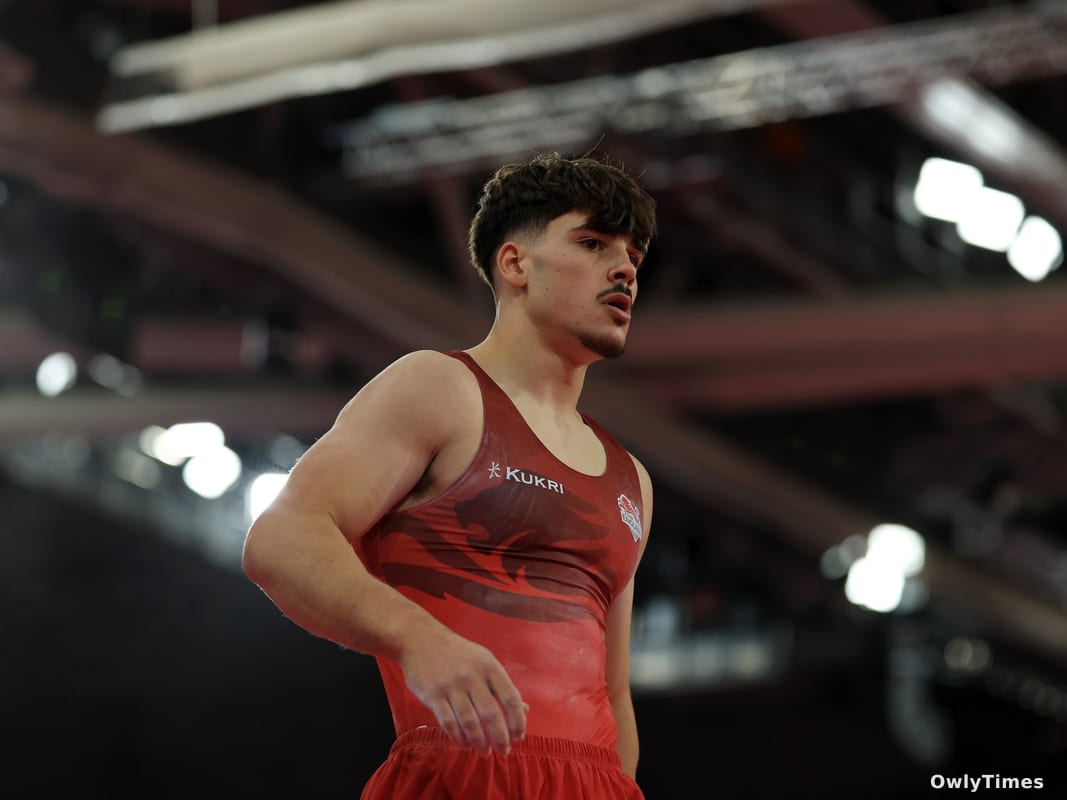

The draft board was a mosaic of missed opportunities and desperate gambles, but for the Chicago Bears, the most curious silence didn't break until the very end of the 2026 NFL Draft. After three days of roster construction, the front office finally pivoted toward the trenches, trading up in the sixth round to secure Georgia Tech defensive tackle Jordan van den Berg. It was a move that felt less like a strategic masterstroke and more like a final, frantic attempt to patch a leak that had been ignored since the opening bell.
The Strategy of Neglect
The Bears entered the draft with a laundry list of positional needs, with the defensive line standing out as a glaring deficiency. Whether off the edge or on the interior, the team required fresh bodies and veteran-level production to anchor the front seven. Instead of addressing this early, the organization maintained a perplexing composure, entering Day 3 without having drafted a single defensive lineman. By the time they selected van den Berg, they had already spent their first-round pick at No. 25 on Dillon Thieneman, leaving the defensive interior to be sorted out in the draft’s twilight hours.
Measuring the Cost of a Late-Round Gamble
History tells us that players drafted in the sixth round are rarely expected to become cornerstone pieces; they are the long shots of the professional game. The reality is that at this stage of the draft, there is no guarantee a team is securing even a reliable backup, let alone a transformative force. The Bears are betting that van den Berg’s college tape holds enough promise to defy these statistical headwinds. While the raw footage shared by the ACC Network showcases his potential, moving from the college ranks to the NFL is a leap that often swallows players who lack elite consistency.
The Path to the Active Roster
The lack of depth on the current Chicago defensive line is the only reason this selection carries any immediate intrigue. With an thin rotation, van den Berg will be granted a window of opportunity during camp and the preseason that few late-round picks are afforded. However, the gap between being a depth piece and a starting defensive tackle in the NFL is cavernous. He will need to prove that his collegiate skillset translates against professional offensive lines that are bigger, faster, and more technically refined than anything he faced in the ACC.
Turning Potential into Production
The burden of proof now shifts entirely to the summer training sessions. For a team that prioritized other areas of the field through the first five rounds, the success of this draft class may ultimately be measured by how quickly they can develop these fringe prospects. The upcoming preseason will show whether van den Berg can elevate his game enough to earn a spot in the rotation, or if the lack of early-round investment in the defensive line will haunt the Bears throughout the 2026 season.