
Northern Ireland Pauses Puberty Blocker Trial: A Political Decision Disguised as Prudence
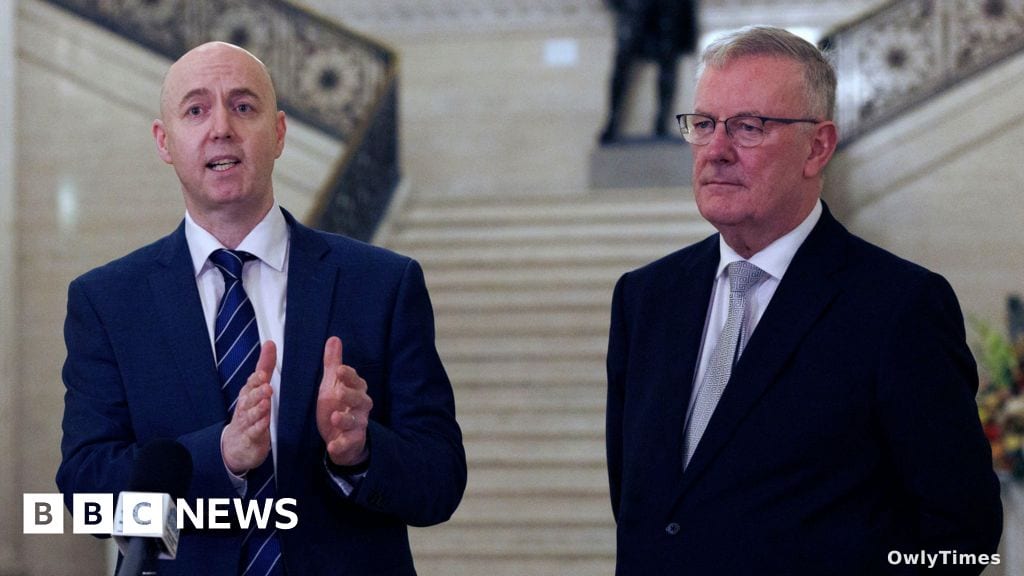
The decision by Northern Ireland’s Health Minister Mike Nesbitt to suspend the region’s participation in a UK-wide clinical trial assessing puberty-blocking drugs for gender-questioning children, defended by Ulster Unionist Party (UUP) leader Jon Burrows, is far more than a cautious response to a legal challenge. It represents a significant political maneuver, leveraging ongoing anxieties surrounding gender identity services and potentially pre-empting the findings of the independent Baroness Cass review. This pause, announced just last week after initial reports of Northern Ireland’s involvement surfaced in Cass’s review, signals a growing trend of politicization within healthcare decisions concerning transgender youth – a trend with potentially damaging consequences for vulnerable individuals.
Background & Context: A Tumultuous Landscape for Gender Identity Services
The current situation didn’t emerge in a vacuum. It’s rooted in a broader, increasingly fraught debate surrounding the medical care of transgender youth, particularly the use of puberty blockers. These drugs, also known as puberty suppressing hormones (PSH), delay the physical changes of puberty, offering young people time to explore their gender identity before undergoing irreversible changes. However, concerns have been raised regarding potential long-term effects and the appropriateness of prescribing them to individuals who may later detransition.
See the original the BBC story for the full account.
The UK government’s clinical trial, now subject to judicial review, was intended to provide robust evidence to inform clinical practice. Simultaneously, Baroness Hilary Cass was commissioned to conduct a comprehensive review of gender identity services in England – a review that has significantly influenced the debate and, crucially, was extended to assess Northern Ireland’s planned service changes. Cass’s interim report highlighted the need for more rigorous research and a more cautious approach, particularly regarding the prescription of puberty blockers. The appointment of Cass to review Northern Ireland’s services, following her work in England, immediately raised questions about the potential for alignment, and now, seemingly, for a pre-determined outcome.
The Significance of the Suspension: Politics Over Evidence?
Nesbitt’s justification – citing the ongoing judicial review – appears superficially reasonable. However, the timing and the strong reaction from advocacy groups like The Rainbow Project, which “unequivocally condemns” the move, suggest a deeper political calculation. Alexa Moore of The Rainbow Project rightly points out the hypocrisy, stating the Executive previously claimed decisions regarding puberty blockers would be “based on evidence,” yet this suspension “is very clearly based on politics.”
The fact that Jon Burrows explicitly supports Nesbitt’s “independent” decision further reinforces this interpretation. This isn’t simply about awaiting the outcome of a legal challenge; it’s about signaling alignment with a particular ideological position. The pause effectively halts the collection of Northern Irish data that could potentially challenge pre-conceived notions about the efficacy and safety of puberty blockers. This represents a shift from an evidence-based approach to one driven by political expediency, potentially jeopardizing the well-being of young people awaiting access to care.
What This Means: Implications for Stakeholders
The implications of this decision are far-reaching. For transgender youth in Northern Ireland, it means continued uncertainty and potential delays in accessing appropriate healthcare. The suspension undermines the promise of a robust, evidence-based approach to gender identity services, replacing it with a climate of political interference. For healthcare professionals, it creates a chilling effect, potentially discouraging them from offering certain treatments for fear of political repercussions.
The wider policy implications are equally significant. This move could embolden similar actions in other regions, further fragmenting access to gender-affirming care across the UK. It also raises serious questions about the independence of healthcare decision-making when faced with politically sensitive issues. The pause also impacts the credibility of the UK-wide trial itself, potentially skewing results if participation rates are unevenly affected by political considerations.
Looking Ahead: Awaiting the Cass Review and Potential Scenarios
The immediate future hinges on the outcome of the judicial review and the final report from Baroness Cass. If the trial is ultimately allowed to proceed, Nesbitt has stated he will consult with Executive colleagues before potentially lifting the pause – a clear indication that any decision will be subject to political negotiation. However, even if the trial resumes, the damage to trust and the perception of political interference may be lasting.
Readers should watch for how Cass’s final recommendations are implemented, and whether Northern Ireland chooses to align its services fully with England’s evolving approach. A key unanswered question remains: will Northern Ireland prioritize evidence-based healthcare or succumb to political pressures? The coming months will be critical in determining the future of gender identity services in the region, and the well-being of the young people who rely on them.





