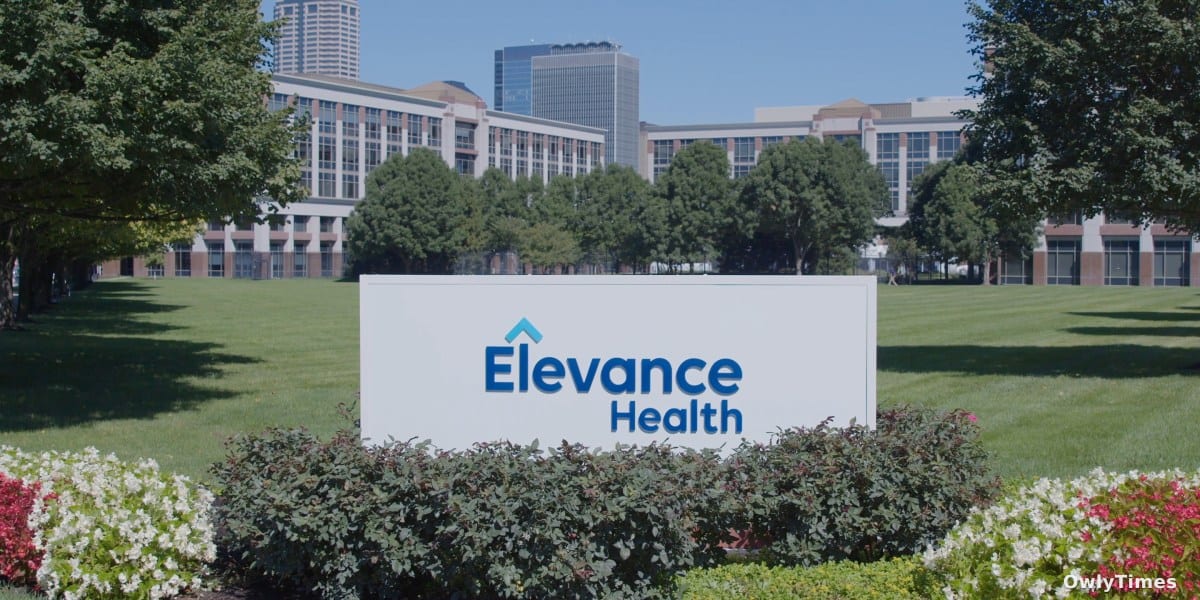

Is the healthcare industry truly on the cusp of an AI revolution, or are we witnessing another expensive tech distraction? For decades, promises of digital transformation in healthcare have largely delivered…more paperwork, just digitized. The real story here isn't about deploying ChatGPT for patient queries – it’s about whether technology can actually address the fundamental crisis of trust and affordability plaguing the American healthcare system. Ratnakar Lavu’s recent move from retail giants like Nike and Kohl’s to become CDIO at Elevance Health, the No. 20 Fortune 500 company with $197.6 billion in operating revenue in 2025 (a 13% jump from the previous year), highlights this shift, but also raises a critical question: can the lessons learned selling sneakers translate to navigating the labyrinthine world of insurance claims and patient care?
Lavu frames his approach as a continuation of his past work – leveraging technology to create “delightful, personalized customer experiences.” But “delight” feels like a particularly tone-deaf metric when a Gallup poll reveals that satisfaction with U.S. healthcare costs is at a record low, with only 16% expressing contentment. Nearly a quarter of Americans believe the system is “in a state of crisis,” and 47% see “major problems.” This isn’t a customer experience issue; it’s a systemic failure. Lavu’s background in retail, focused on driving sales and brand loyalty, is a deliberate choice by Elevance Health, signaling a desire to apply consumer-centric strategies to a notoriously opaque industry. However, the challenge isn’t simply making healthcare easier to use, it’s making it more affordable and equitable.
This article draws on reporting from Fortune.
Elevance Health is betting big on three pillars of AI integration. The most visible is “Sydney,” a ChatGPT-like interface within their mobile app allowing 45.2 million members to ask questions about coverage and costs – “I need knee surgery. Am I covered?” – and receive instant answers. This addresses a genuine pain point: the bewildering complexity of health insurance. But a chatbot, however sophisticated, doesn’t solve the underlying problem of high deductibles and surprise billing. The second pillar focuses on automating prior authorization, a notorious bottleneck in healthcare delivery. While AI can streamline this process, reducing administrative burden, it doesn’t address the fundamental question of why so many procedures require pre-approval in the first place. The third pillar involves internal tools like “Spark,” an AI chatbot handling document analysis and corporate tasks, used by over 60,000 employees and processing 10 million messages in the first half of 2025. This is about efficiency, not necessarily patient care.
The broader industry trend mirrors this focus on internal optimization. IBM’s recent stock plunge, triggered by Anthropic’s demonstration of a tool that could modernize the archaic Cobol programming language (still powering 95% of ATM transactions and 80% of in-person credit card swipes), illustrates the anxiety surrounding disruption. While Cobol’s continued relevance is a testament to its reliability, the market reacted as if IBM’s entire business model was threatened. This overreaction underscores a deeper truth: the tech industry is obsessed with finding technological solutions to problems that often require political and regulatory intervention. Meta’s multi-billion dollar deal with AMD for AI chips, and the similar arrangement between xAI and the Pentagon, demonstrate a land grab for computing power, but don’t guarantee meaningful improvements in healthcare outcomes. The Pentagon’s attempt to leverage competition between AI startups like Anthropic, xAI, and Google is a classic example of bureaucratic maneuvering, prioritizing control over genuine innovation.
Crucially, Elevance Health, like many organizations, is recognizing the need for “AI fluency” among its workforce, upskilling employees in responsible AI and prompt engineering. Ratnakar Lavu emphasizes the importance of human oversight, stating that “a human can actually oversee multiple agents,” ensuring AI doesn’t “deviate from its task.” This is a sensible approach, acknowledging the limitations of current AI technology and the need for accountability. However, the focus on “agentic AI” – AI capable of handling complex tasks across benefits and claims – also hints at a longer-term ambition to automate more significant aspects of healthcare administration. The challenge will be balancing efficiency gains with the potential for bias and errors, particularly in a field where lives are at stake. The Covista survey reveals a telling disconnect: while 71% of healthcare systems are using AI for documentation, only 45% of clinicians believe it can address staffing shortages. Trust, as Covista CEO Steve Beard points out, is paramount.
The real question isn’t whether AI can be integrated into healthcare, but whether it will be used to genuinely improve patient outcomes and reduce costs, or simply to streamline operations and maximize profits. In 2026, watch for a surge in lawsuits alleging AI-driven errors in claims processing and medical diagnoses. The initial wave of AI deployments will inevitably expose vulnerabilities, and the legal ramifications will force a reckoning with the ethical and practical limitations of this technology. The hype cycle will peak, and the focus will shift from breathless announcements to rigorous evaluation of real-world impact.





