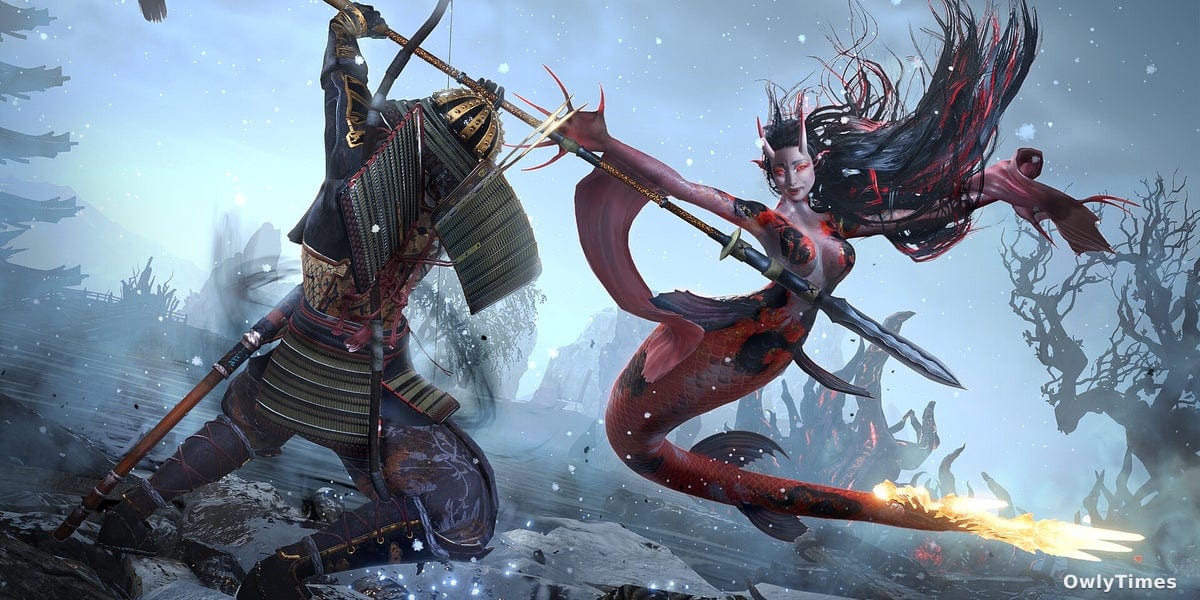

The flickering neon of Akihabara, Tokyo, reflects in the rain-slicked streets, a fitting backdrop for the news rippling through the gaming world: Nioh 3 has sold one million copies in just two weeks. It’s a number that, on its own, feels almost clinical. But zoom out, and this isn’t just a sales report; it’s a testament to a dedicated fanbase, a studio consistently pushing boundaries, and a growing appetite for a specific kind of brutal, rewarding challenge that mainstream gaming often shies away from. Koei Tecmo’s announcement, coupled with the revelation that the entire Nioh series has surpassed 10 million copies sold, speaks to a cultural shift happening within the action RPG genre.
The “Masocore” Appeal and a Dedicated Following
The term “masocore” – a portmanteau of “masochism” and “hardcore” – has long been attached to Team Ninja’s work, and Nioh 3 is no exception. Dom Peppiatt of Eurogamer aptly described the game as iterating on an already “great ‘masocore’ series,” and that’s precisely the point. While many developers chase broader accessibility, Team Ninja has doubled down on demanding combat, intricate systems, and a steep learning curve. This isn’t a game you beat; it’s a game you master. The success of Nioh 3 proves there’s a substantial audience craving that level of engagement, a demographic tired of hand-holding and simplistic experiences. Consider that the average AAA game aims for a Metacritic score in the low 80s to signal success; Nioh 3’s accolades trailer is brimming with scores in the high 80s and even 90s, suggesting a critical reception that goes beyond mere commercial viability.
Based on the original eurogamer.net report.
Beyond the Headlines: A Studio’s Evolution
This rapid sales pace is particularly noteworthy when viewed against the backdrop of Team Ninja’s history. The studio, originally known for the Ninja Gaiden series, faced periods of uncertainty and shifting priorities. The original Nioh, released in 2017, was a gamble – a historically-inspired action RPG steeped in Japanese folklore, demanding precision and strategic thinking. It sold respectably, but didn’t immediately explode onto the scene. Nioh 2 built on that foundation, refining the combat and expanding the world, and saw a noticeable increase in sales. Now, with Nioh 3 achieving this milestone in just two weeks, it’s clear Team Ninja has cultivated a loyal audience that actively seeks out their unique brand of challenge. This isn’t simply luck; it’s the result of consistent quality, attentive community engagement, and a willingness to stay true to their artistic vision.
The Patch and the Promise of Support
The launch wasn’t without its hiccups. The first major post-launch patch, released just last week, addressed critical bugs that halted player progress, caused crashes, and even broke the friend-searching mechanic. While launch issues are unfortunately common in modern gaming, the speed and thoroughness of Koei Tecmo’s response is commendable. Fixing these issues wasn’t just about maintaining sales momentum; it was about respecting the player base that had invested in the game and demonstrating a commitment to long-term support. This is a crucial element in building lasting brand loyalty, especially within the demanding “masocore” community, where players expect a high level of polish and responsiveness. The fact that the patch also included enemy health adjustments shows the developers are actively listening to feedback and fine-tuning the experience.
What This Means for the Future of Challenging Games
The success of Nioh 3 isn’t just a win for Team Ninja and Koei Tecmo; it’s a signal to the wider industry. In a market saturated with games designed for mass appeal, it demonstrates that there’s a viable, and growing, audience for titles that prioritize depth, difficulty, and player skill. Will other developers take notice and embrace this philosophy? Or will the trend towards accessibility continue to dominate? The question isn’t whether challenging games can succeed, but whether studios will be willing to take the risk and cater to this underserved segment of the gaming population. The next year will be critical in determining if Nioh 3’s success is an anomaly, or the beginning of a new era for “masocore” gaming.

