
Philadelphia’s Healthcare Delay: A Symptom of Systemic Prioritization?
The promise of two new city health centers in Northeast Philadelphia, announced in 2023 to address a critical “health desert,” is facing a stark reality: a projected completion date of 2029 or 2030. This timeline has ignited frustration among residents and advocacy groups, who are now pushing for an accelerated schedule, particularly for the Friends Hospital campus location. While city officials maintain the project’s importance, the multi-year delay raises fundamental questions about how Philadelphia prioritizes public health infrastructure and responds to the urgent needs of underserved communities. This isn’t simply about bureaucratic sluggishness; it’s a reflection of deeper tensions within city planning and resource allocation.
This article draws on reporting from whyy.org.
Background & Context: A History of Healthcare Access Struggles
Northeast Philadelphia has long struggled with limited access to quality healthcare. The area’s demographic shifts, coupled with the closure of local hospitals and a growing uninsured population, have exacerbated the problem. The planned health centers were initially hailed as a crucial step towards rectifying this imbalance. The chosen site for one center, the Friends Hospital campus, carries historical weight. The land once housed the historic Lawnside building, a significant site in African American history, which fell into disrepair and was ultimately destroyed by fire in September 2025 – a symbolic representation of neglect in the area. This history underscores the urgency felt by residents, who see the new health center not just as a medical facility, but as a reinvestment in a long-overlooked community. The current situation echoes similar delays experienced with other city infrastructure projects, suggesting a systemic issue rather than an isolated incident.
The Push for Acceleration: Advocates and City Responses
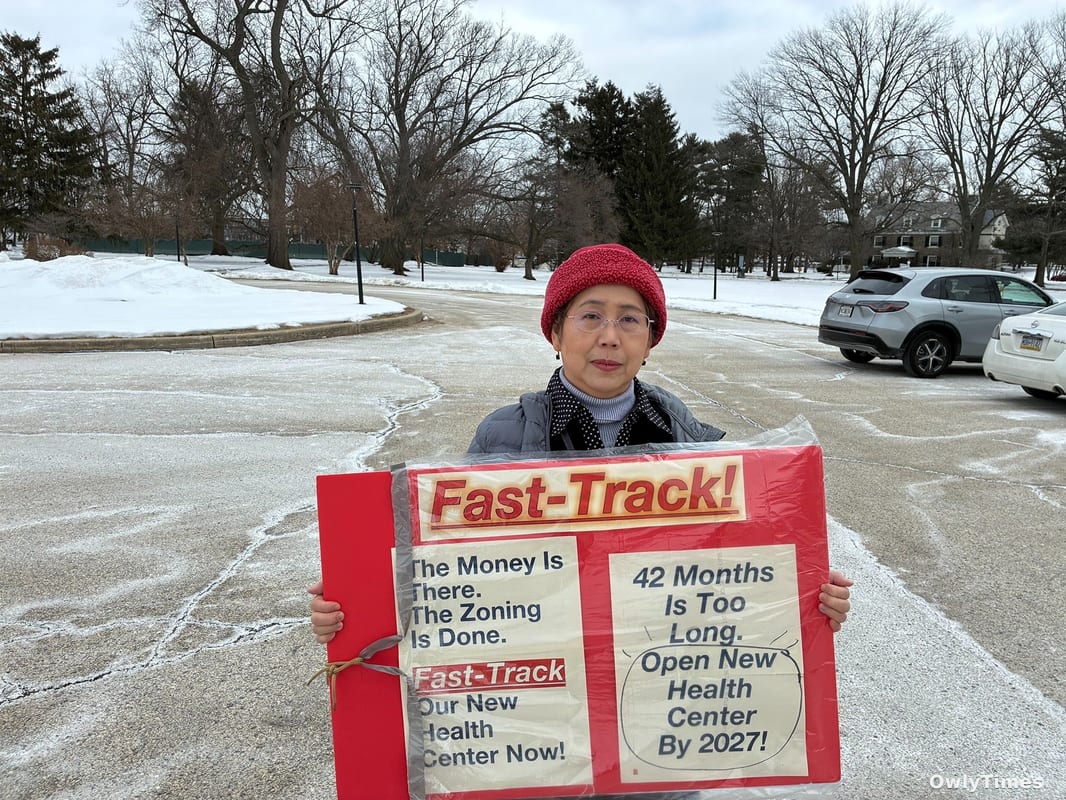
The Coalition for City Health Centers is proposing a 24-month timeline for the Friends Hospital location, aiming for a 2027 opening. This proposal, delivered to Mayor Cherelle Parker’s administration and City Council on February 11th, suggests leveraging strategies previously used to expedite other projects, such as state executive orders to accelerate permit approvals. Mingchu Pearl Huynh, president of the Northeast Philadelphia Chinese Association, powerfully articulated the community’s frustration, stating, “It’s been more than two years…I feel very sad for families who need this health care so much.” The city’s response, articulated by Aparna Palantino, Deputy Managing Director of the Capital Program Office, acknowledges the project’s importance but emphasizes the need for both planned centers and resists prioritizing one over the other. A $45 million budget has been allocated, with construction slated to begin in 2027, potentially taking two or more years to complete. This measured response, while not dismissive, highlights a potential disconnect between the city’s bureaucratic processes and the immediate needs of the community. The fact that wait times at the existing Health Center 10 in Rawnhurst are currently up to 10 months further emphasizes the critical need for increased capacity.
What This Means: Implications for Stakeholders
The delayed timeline has significant implications for multiple stakeholders. For residents of Northeast Philadelphia, particularly those with limited insurance or facing unemployment, the delay translates to continued difficulty accessing essential healthcare services. This can lead to delayed diagnoses, worsening health conditions, and increased reliance on emergency rooms – a far more costly and less effective approach to care. For the Philadelphia Unemployment Project and other advocacy groups, the situation underscores the need for greater community involvement in city planning and a more responsive approach to addressing health inequities. The city government faces a challenge in balancing competing priorities and navigating complex bureaucratic processes. While acknowledging the importance of the project, the current timeline risks eroding public trust and fueling perceptions of indifference to the needs of underserved communities. The $45 million investment, while substantial, represents a relatively small fraction of the city’s overall budget, raising questions about whether sufficient resources are being allocated to address the healthcare crisis in Northeast Philadelphia.
Looking Ahead: A Critical Juncture for Philadelphia’s Healthcare Future
The coming months will be crucial. Residents and advocates will be closely watching for concrete steps to accelerate the project, particularly regarding permit approvals and the initiation of exterior construction. The meetings Councilmember Quetcy Lozada has scheduled with key stakeholders will be pivotal in determining whether the city is willing to adopt a more aggressive timeline. A key unanswered question is whether the city will be open to utilizing the expedited strategies proposed by the Coalition for City Health Centers. Furthermore, the progress of the second health center at the Frankford Transportation Center will be a critical indicator of the city’s overall commitment to improving healthcare access in the Northeast. If the city continues to adhere to the current timeline, it risks exacerbating existing health inequities and further alienating a community in desperate need of care. The situation in Northeast Philadelphia serves as a microcosm of broader challenges facing cities across the country – the need to prioritize public health, address systemic inequities, and ensure that infrastructure investments truly serve the needs of all residents.