
The Calculus of Alert: New York as a Proxy in a Widening Conflict
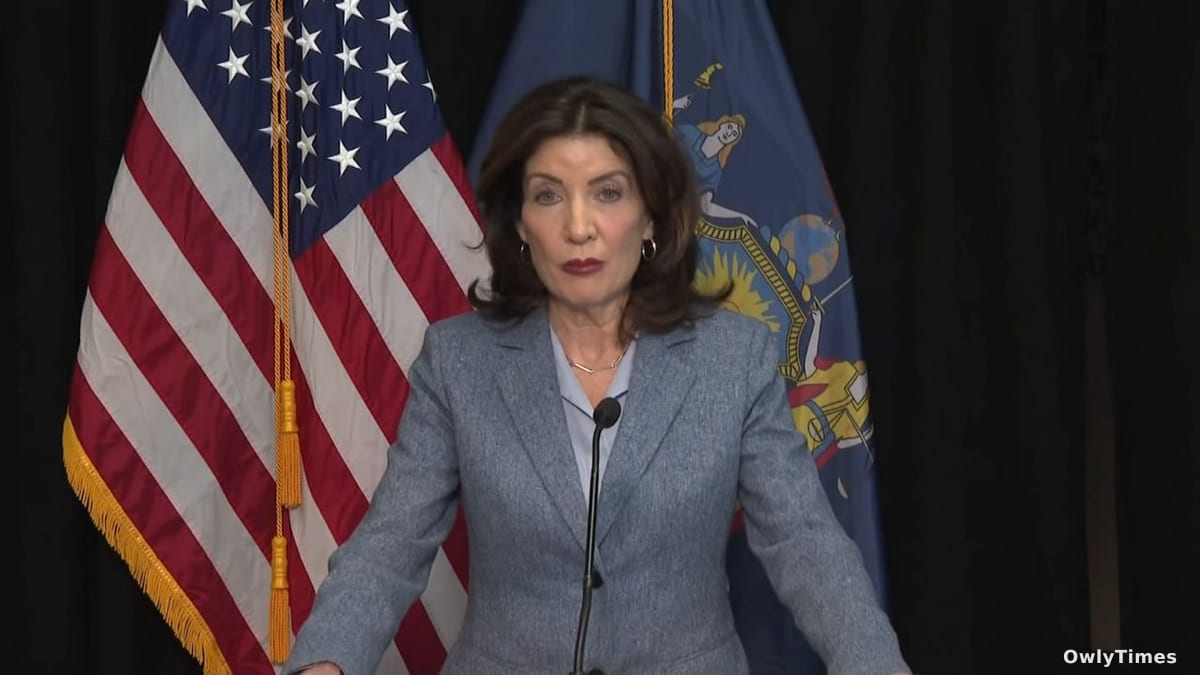
The immediate deployment of increased law enforcement to sensitive sites across New York City and state following the U.S.-Israel strikes on Iran isn’t simply a reactive security measure; it’s a calculated political signal. Governor Kathy Hochul’s declaration of a “high state of alert” isn’t driven by an imminent, specific threat assessment – intelligence agencies have long considered New York a potential target – but by the need to establish a narrative of proactive leadership and to frame the escalating conflict as directly impacting New Yorkers. This preemptive posture serves multiple purposes: bolstering public confidence, justifying potential future security measures, and subtly pressuring the Biden administration to articulate a clear exit strategy. The speed with which Hochul responded, emphasizing New York’s “vulnerable target” status, suggests a recognition that the political fallout from a potential retaliatory attack would be significant.
The starkly contrasting responses from New York’s political representatives reveal a deeper fault line. While Hochul offered unequivocal condemnation of the Iranian regime, framing it as a universally indefensible entity, Mayor Zohran Mamdani directed his criticism squarely at the Trump administration, labeling the strikes a “catastrophic escalation” and “illegal act of war.” This isn’t merely a disagreement over foreign policy; it’s a strategic positioning within the city’s progressive political landscape. Mamdani’s statement caters to a constituency deeply skeptical of U.S. military interventionism and echoes the anti-war sentiment that has gained traction in recent years. Conversely, Representative Nicole Malliotakis, the city’s sole Republican in the House, offered unqualified support for the strikes, aligning herself with a hawkish stance and appealing to a base prioritizing national security. This division highlights how a foreign policy crisis is immediately refracted through the lens of local political rivalries.
The Democratic response in Congress, particularly the push for a war powers resolution led by Representative Dan Goldman, is rooted in a historical reckoning with the protracted conflicts in Iraq and Afghanistan. Representative Gregory Meeks’ cautionary recollection of the celebratory atmosphere following Saddam Hussein’s fall, quickly followed by “complete chaos,” underscores the deep-seated anxiety within the party regarding open-ended military engagements. The $2.3 trillion spent on the Iraq War, coupled with the 20-year commitment in Afghanistan, casts a long shadow, fueling demands for a clearly defined strategy and measurable objectives. This isn’t simply about preventing another “forever war,” as Goldman articulated; it’s about demonstrating a commitment to fiscal responsibility and addressing domestic priorities neglected during years of foreign intervention. The current debate isn’t solely about Iran; it’s about preventing a repeat of past strategic miscalculations.
Source material: ny1.com.
Who benefits and who loses from this escalating tension and the ensuing political maneuvering? The Biden administration benefits from the initial display of strength, potentially deterring further Iranian aggression, but risks being drawn into a wider conflict without a clear endgame. Hochul gains political capital by projecting an image of decisive leadership, but faces the potential liability of overstating the threat. Mamdani solidifies his standing with his progressive base, but risks alienating moderate voters. Malliotakis reinforces her conservative credentials, but may struggle to broaden her appeal. Ultimately, the American public loses if the situation spirals into a costly and protracted conflict, and New York City, as Hochul rightly points out, stands to lose the most in the event of a direct retaliatory attack. The financial sector, a cornerstone of New York’s economy, is particularly vulnerable to disruptions stemming from geopolitical instability.
The political chess move to watch next isn’t whether Iran retaliates – that’s almost a certainty – but whether the Biden administration will accede to the demands for a war powers resolution. A vote on such a resolution would force a public reckoning with the legal and strategic justifications for continued military action, potentially exposing divisions within the Democratic party and emboldening Republican critics. The outcome of that vote will reveal the true extent of congressional restraint, and ultimately, the administration’s appetite for a prolonged confrontation.





