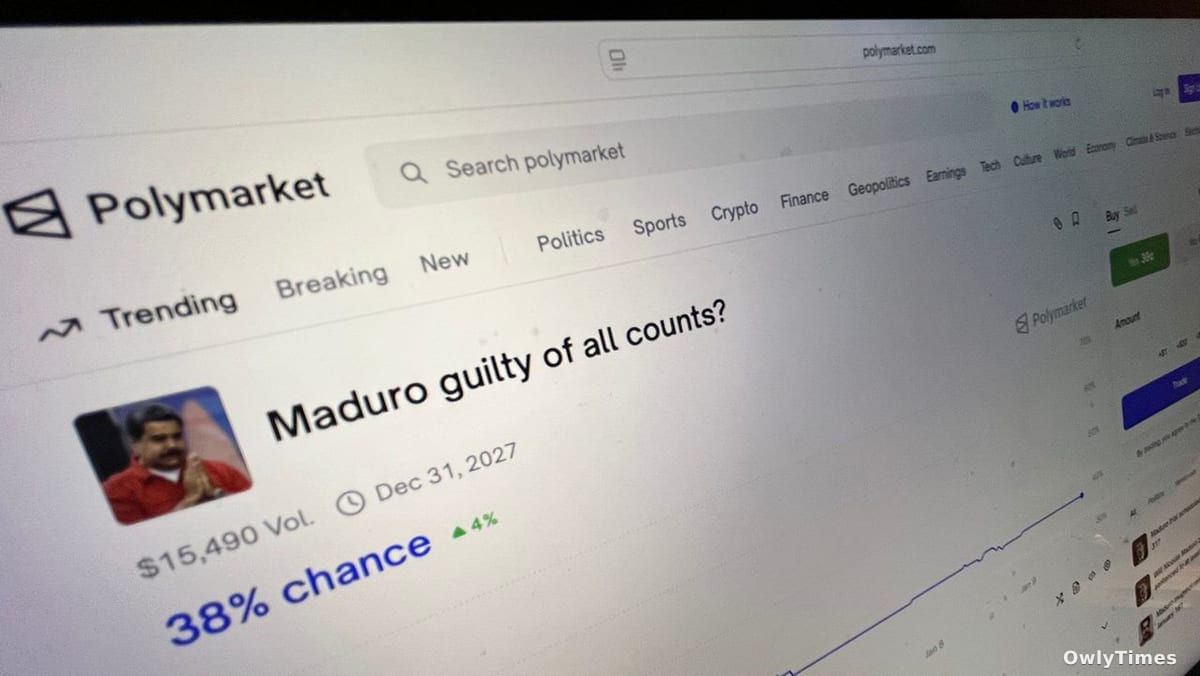

0% is the new legal threshold for state employees in New York looking to profit from prediction markets, a move that signals a sharp divergence between Albany’s regulatory posture and the broader, largely unregulated landscape of digital betting platforms. By signing an executive order on Wednesday, Governor Kathy Hochul has effectively institutionalized a firewall between public service and the speculative volatility of event-based wagering. This policy explicitly forbids covered state officers and employees from leveraging confidential information acquired during their tenure to secure personal financial gains, while simultaneously prohibiting them from assisting third parties in such activities.
Plugging the Information Leak
The core tension here lies in the nature of the information involved. Prediction markets allow participants to bet on outcomes ranging from military activity and election results to the severity of natural disasters. For a state official, proximity to these events is not merely incidental; it is an inherent function of the job. By mandating that this access cannot be used to tilt the odds in a prediction market, the Governor is attempting to mitigate a conflict of interest that, until now, operated in a regulatory gray area. Following the money reveals that the primary objective is to decouple the public trust from the incentive structure of these platforms.
The Legal Front Against Unlicensed Platforms
The executive order does not exist in a vacuum; it is the administrative counterpart to a broader litigation strategy currently unfolding in the state’s courts. On Tuesday, New York initiated legal action against Coinbase and Gemini, contending that their involvement with prediction market platforms constitutes the operation of illegal, unlicensed gambling businesses. This dual-pronged approach—tightening internal conduct rules for state employees while aggressively challenging the platforms themselves—suggests that the state is not merely looking to govern its own house but is actively seeking to redefine the legality of the entire sector.
A Contrast in Governance
Governor Hochul’s stated motivation for this move is a direct critique of the federal status quo. She explicitly contrasted her administration’s regulatory steps with the approach of Donald Trump and DC Republicans, characterizing the current federal environment as an "ethical Wild West." This framing is crucial for market participants and voters alike; it positions New York as a regulatory outlier that is choosing to impose strict constraints where federal oversight has remained largely absent. The implication is that the state is moving to preempt the potential for systemic corruption before these markets gain further traction in the public consciousness.
The Impact on Your Portfolio
For investors and market participants, the significance of this move is clear: the era of unchecked growth for prediction markets is facing a major headwind in New York. If the state succeeds in its lawsuits against Coinbase and Gemini, the operational landscape for these platforms could narrow significantly, forcing a shift toward more stringent compliance and licensing requirements. What this means for your wallet is that the legal and regulatory risk profile of prediction market investments has just increased. The next reading of the litigation against these platforms will determine whether these markets face a total prohibition or a transition into a highly regulated, albeit more restricted, investment vehicle.





