
40 Seats: The Shrinking Margin of NYC’s Outdoor Dining Boom
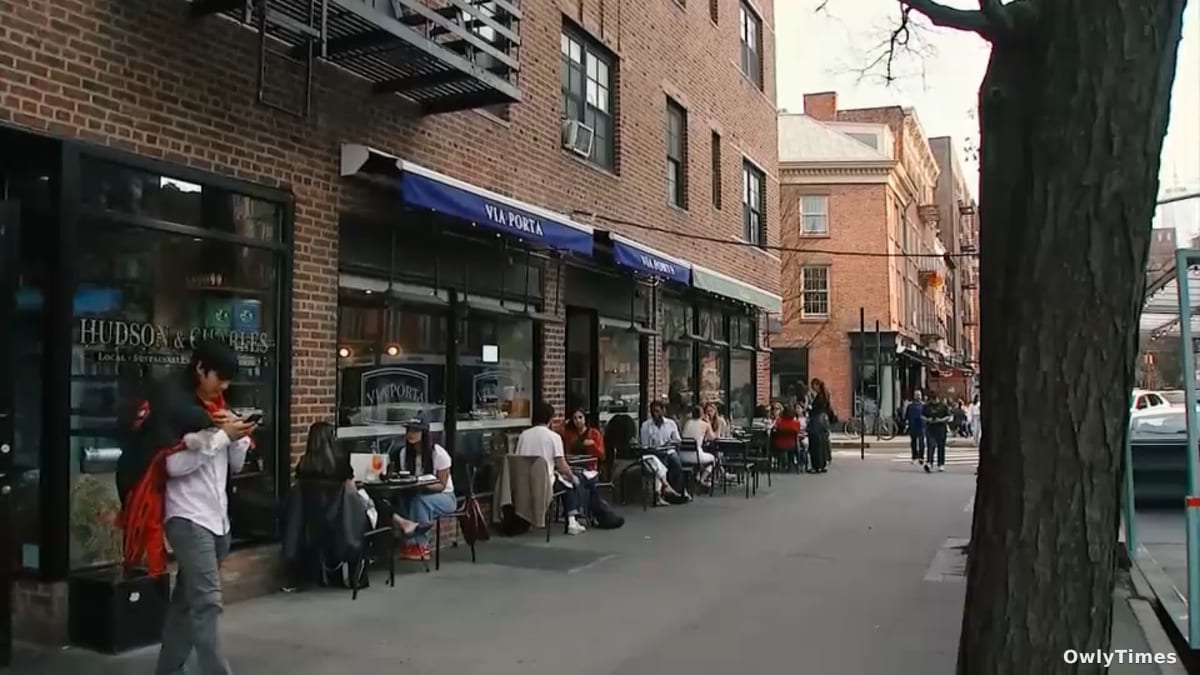
Forty. That’s the number defining the precarious state of New York City’s outdoor dining program. For Maire McCrea, owner of B’artusi in the West Village, those 40 additional seats represent a doubling of her restaurant’s capacity – a critical buffer against rising costs and a fiercely competitive market. But for a growing number of operators like Carmen Ortiz of Il Violino on the Upper West Side, the bureaucratic and financial hurdles to securing even those 40 seats are proving insurmountable, signaling a potential contraction of a program initially hailed as a pandemic lifeline. Follow the money, and a clear picture emerges: the city’s attempt to regulate a wildly successful, albeit ad-hoc, system is actively eroding its benefits for small businesses.
Source material: abc7ny.com.
The outdoor dining program exploded in 2020, offering a crucial revenue stream when indoor dining was restricted. While the pandemic has officially subsided, the economic pressures haven’t. McCrea notes that even seemingly unrelated factors, like tariffs impacting wine imports, contribute to the need for every available revenue source. Her restaurant, like many others, relies on the expanded footprint to offset these costs. This reliance is quantifiable: a 40-seat increase represents a potential revenue jump of anywhere from $1,500 to $3,000 per service, depending on average check size and table turnover – a significant margin in an industry operating on notoriously thin profits. However, this benefit is increasingly contingent on navigating a labyrinthine approval process.
The shift from emergency measure to permanent regulation is where the program is faltering. The new law mandates reviews from local community boards, the City Council, and the Department of Transportation (DOT), extending approval timelines by six to eight months. This delay isn’t merely an inconvenience; it’s a cost center. Restaurants must continue paying for shed storage during the off-season, often exceeding several thousand dollars, with no guarantee of eventual approval. Ortiz’s experience exemplifies this: she found the licensing fees and storage costs prohibitive, particularly given the city’s increasingly stringent spatial requirements. The DOT, under Commissioner Mike Flynn, acknowledges the problem, advocating for a year-round program and streamlined processes. Flynn’s statement is a tacit admission that the current system is actively undermining the program’s initial success.
The tension lies in the competing interests of business owners, residents, and city planners. While the program demonstrably boosted restaurant revenue – estimates suggest it saved thousands of jobs – it also sparked complaints about sidewalk congestion and noise. Community boards, responding to constituent concerns, are imposing increasingly restrictive conditions. McCrea describes the process as an “ongoing give and take,” highlighting the constant negotiation with residents over seemingly minor issues, like dog-walking routes. This localized control, while intended to address community concerns, introduces significant uncertainty and cost for restaurant owners. The result is a bifurcated system: restaurants with the resources and patience to navigate the bureaucracy thrive, while others, particularly smaller establishments, are forced to abandon outdoor dining altogether.
This isn’t simply a story about restaurant sheds; it’s a microcosm of the challenges facing small businesses in a highly regulated environment. The city’s attempt to “fix” a successful program by layering on complexity is demonstrably backfiring. The question now is whether the DOT, and the City Council, will prioritize the economic vitality of its restaurant sector, or continue down a path that favors bureaucratic control over practical solutions. What this means for your wallet: expect fewer outdoor dining options, potentially higher menu prices as restaurants attempt to recoup lost revenue, and a continued erosion of the vibrant street life that defines New York City. Watch closely for whether the DOT implements concrete measures to expedite the approval process – specifically, a reduction in the number of required reviews and clearer, more consistent spatial guidelines – by the start of next season.