
$600,000 in Settlements and 200 Warnings: The Escalating Cost of Gym Membership Friction
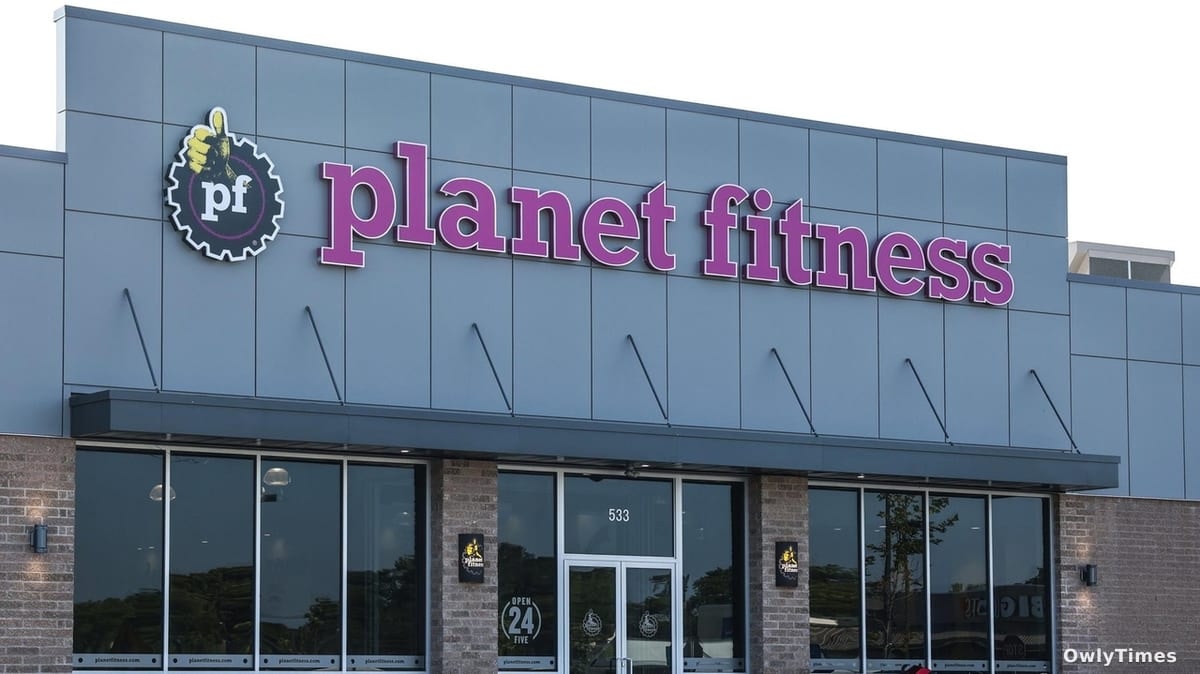
A single data point encapsulates the current state of New York’s fitness industry: $600,000. That’s the amount Equinox Group paid in a settlement last year to the New York State Attorney General’s Office for intentionally making gym membership cancellations difficult. Now, Mayor Zohran Mamdani is extending the pressure, with his Department of Consumer and Worker Protection issuing compliance warnings to nearly 200 gyms across New York City – including major players like PureGym, Planet Fitness, and Equinox – over deceptive advertising and cancellation practices. This isn’t simply about consumer convenience; it’s a calculated move to address a systemic issue costing New Yorkers time and money, and the ripple effects are already reaching Long Island.
The core of the issue, as outlined in a January 5th executive order, is the asymmetry between ease of signup and difficulty of cancellation. Commissioner Sam Levine’s letter to gyms explicitly states that cancellation methods must mirror subscription methods – if you can sign up online, you must be able to cancel online. This isn’t a novel concept; state law already mandates multiple cancellation options (web, email, phone, mail, in-person). However, enforcement has been lax, allowing gyms to exploit loopholes and rely on consumer inertia. The timing is crucial, coinciding with a broader crackdown on “junk fees” – a new city rule taking effect Saturday requires hotels to disclose the total cost upfront, eliminating hidden fees. This coordinated approach signals a shift towards greater transparency in subscription-based services.
Source material: newsday.com.
The financial implications extend beyond individual membership fees. Roughly 315,000 Long Islanders commute to New York City for work, and a significant portion utilize city gyms. These commuters are now potentially protected by the new regulations, but the broader economic impact lies in the precedent being set. The Attorney General’s Office has a long history of investigating and settling with gyms over cancellation issues, dating back to cases against New York Sports Clubs and Lucille Roberts in 2020, and even further to settlements with Synergy clubs in 2016. Each settlement represents a direct cost to the business, but also a loss of customer trust and potential revenue from future memberships. Planet Fitness, through spokesperson Geneve Lau, maintains its policies are already compliant, while PureGym, represented by Hannah Butler, expresses confidence in its cancellation process. However, the sheer volume of warnings suggests systemic issues persist.
The current action isn’t merely reactive; it’s proactive, anticipating the expansion of these practices. Newsday previously reported that Mamdani’s campaign against junk fees would likely extend to Long Island, protecting residents from similar deceptive tactics. Online forums like Reddit and the Better Business Bureau are filled with complaints from Long Islanders detailing frustrating experiences with local gyms, mirroring national trends. This highlights a fundamental tension: gyms rely on recurring revenue from memberships, creating an incentive to make cancellation difficult. However, increasingly, consumers are demanding transparency and control over their subscriptions, and regulators are responding. The lack of comment from Equinox following the warnings is particularly telling, suggesting they may be reassessing their practices.
What this means for your wallet: expect increased scrutiny of gym contracts and cancellation policies. If you’re considering a gym membership, carefully review the terms and conditions, paying close attention to the cancellation process. More importantly, watch for a potential shift in pricing models. As gyms face pressure to simplify cancellation, they may explore alternative revenue streams, such as tiered memberships or increased upfront fees. The key question for consumers is: will these changes result in genuinely fairer practices, or simply a reshuffling of costs?





