
The Price of Philanthropy: Ohio State Confronts a Legacy of Association
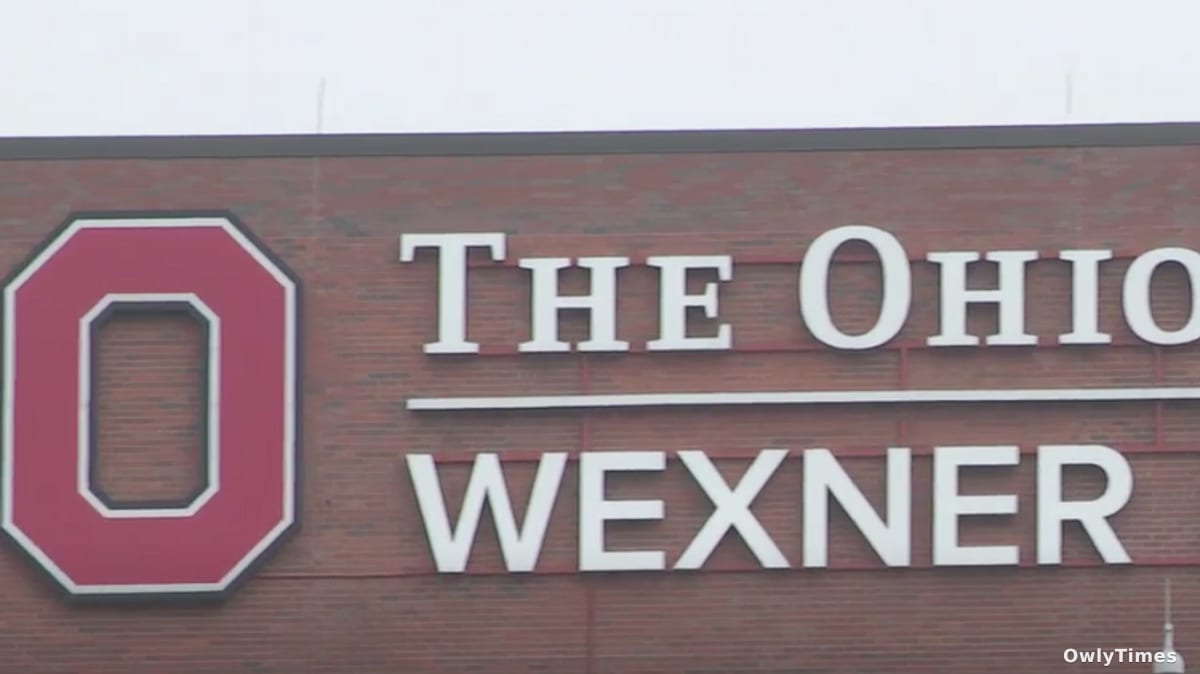
The debate unfolding at The Ohio State University isn’t simply about a name on a building; it’s a stark illustration of a growing tension within higher education and beyond. Institutions are increasingly scrutinized not just for how they raise funds, but from whom. The current calls to remove the name of Les Wexner from campus facilities – the medical center, the arts center, even buses – aren’t a sudden reaction, but the culmination of years of discomfort simmering beneath a veneer of gratitude for nearly $200 million in donations made before February 17, 2011. While headlines focus on the student and union demands, the core question is whether a substantial financial contribution can, or should, shield an individual from accountability regarding deeply troubling associations.
Based on the original abc6onyourside.com report.
The impetus for renewed scrutiny stems from allegations surrounding Wexner’s long-standing relationship with Jeffrey Epstein, the convicted sex offender. Students like Shaela Davis, a graduate student, articulate a discomfort that goes beyond abstract principle. “I’m not very surprised about it, but it does make me really uncomfortable,” she told ABC 6/FOX 28, echoing a sentiment shared by many on campus. It’s crucial to note that Wexner continues to deny any knowledge of Epstein’s criminal activity. However, the mere association, and the questions it raises about due diligence and ethical considerations within Wexner’s inner circle, are proving too significant for many to ignore. The demands aren’t about proving guilt, but about signaling a commitment to protecting vulnerable populations and refusing to normalize connections to abuse.
This isn’t solely a student-led movement. Rick Lucas, President of the Ohio Nurses Association and a nurse at The Ohio State University Wexner Medical Center, has spearheaded a formal letter to OSU President Ted Carter and the Board of Trustees, demanding the removal of Wexner’s name. This letter, sent on February 17th, isn’t framed as a symbolic gesture, but as a matter of professional ethics. “We have moral, ethical, and legal obligations as mandated reporters,” Lucas stated, framing the issue as a direct conflict between the hospital’s stated values and its continued association with Wexner. The union’s willingness to hold an informational picket by February 22nd underscores the seriousness of their concerns and their determination to leverage their position to demand accountability. This escalation is particularly noteworthy, as healthcare worker unions rarely engage in public campaigns targeting donor relationships.
It’s important to understand the scale of Wexner’s philanthropy. The $200 million figure, accumulated before February 17, 2011, represents a significant portion of the university’s fundraising efforts during that period. A substantial $100 million commitment in February 2011 was specifically directed towards The Ohio State University Medical Center and the Arthur G. James Cancer Hospital and Richard J. Solove Research Institute. This financial support undeniably benefited the university, funding critical research and infrastructure. However, the university’s response – citing a “naming review procedure” and acknowledging “pending requests” – feels deliberately cautious. The statement that each request receives “full consideration” lacks specificity and doesn’t address the urgency felt by students and healthcare workers. The university is navigating a complex situation, balancing its financial interests with its public image and ethical responsibilities.
Limitations to Consider
While the momentum for change is building, several factors complicate the situation. The university’s naming review process is opaque, and the criteria for removing a name are not publicly defined. This lack of transparency raises concerns about potential bias or political influence. Furthermore, legal challenges could arise if the university unilaterally removes Wexner’s name, particularly given his continued denial of wrongdoing and the potential for claims of breach of contract or reputational damage. The university must carefully weigh these legal risks against the potential damage to its reputation if it continues to associate itself with Wexner. Finally, it’s crucial to acknowledge that removing a name doesn’t erase the past or automatically resolve the underlying issues of power and accountability.
The next steps will be critical. The university’s response to the union’s February 22nd deadline will be a key indicator of its commitment to addressing these concerns. Beyond that, Ohio State should publicly articulate a clear and transparent policy regarding donor naming rights, outlining the criteria for removal and establishing an independent review board to ensure fairness and accountability. More broadly, this situation highlights the need for a national conversation about the ethical responsibilities of universities when accepting large donations, and the importance of prioritizing the safety and well-being of vulnerable populations over financial gain. Will other institutions facing similar dilemmas proactively revise their donor policies, or will they wait for further crises to force their hand? The answer will shape the future of philanthropy and the integrity of higher education for years to come.





