
The Bitter Irony of Olympic “Progress”: Nordic Combined and the Illusion of Gender Equality
The 2026 Milano Cortina Winter Olympics are being touted as the “most gender equal” in history. Yet, beneath this celebratory banner lies a stark contradiction: the continued exclusion of women from Nordic combined, a sport with deep Olympic roots, and growing fears this decision signals its eventual eradication from the Games altogether. This isn’t simply a matter of fairness for the athletes involved; it’s a revealing case study in how the International Olympic Committee (IOC) defines – and often misapplies – the principles of equality, prioritizing metrics over genuine sporting merit and long-term development. The decision, citing low viewership and a lack of diverse countries on the podium, feels particularly galling to athletes like Annika Malacinski, who are actively proving the IOC’s assessment demonstrably wrong.
This piece references the USA Today report.
Background & Context: A Legacy Under Threat
Nordic combined, a grueling test of athleticism combining ski jumping and cross-country skiing, debuted at the inaugural Winter Olympics in Chamonix in 1924. Conceived as a challenge to find the ultimate all-around skier, it has been a consistent, if often niche, fixture of the Winter Games ever since. The current controversy, however, isn’t new. The IOC has been reassessing the program for several cycles, and in 2020 made the decision to exclude women’s Nordic combined from the 2026 Games. This echoes a pattern seen in other sports – notably ski jumping – where women faced years of exclusion before finally gaining Olympic recognition.
The fight for inclusion mirrors the broader struggle for gender equality in sports. For decades, the IOC operated under assumptions about women’s physical capabilities and marketability, often justifying exclusion based on outdated stereotypes. While the IOC has made strides towards parity in recent Games, aiming for 45-55% female participation, the focus has increasingly shifted to quantifiable metrics like viewership and medal table diversity. This emphasis, while understandable from a commercial perspective, risks overlooking the importance of nurturing emerging sports and providing equal opportunities for athletes regardless of perceived market value. Jill Brabec, president of Nordic Combined USA, points to the parallels with the ski jumping saga, where persistent advocacy ultimately led to inclusion at the 2014 Sochi Games.
The Disconnect Between Metrics and Reality
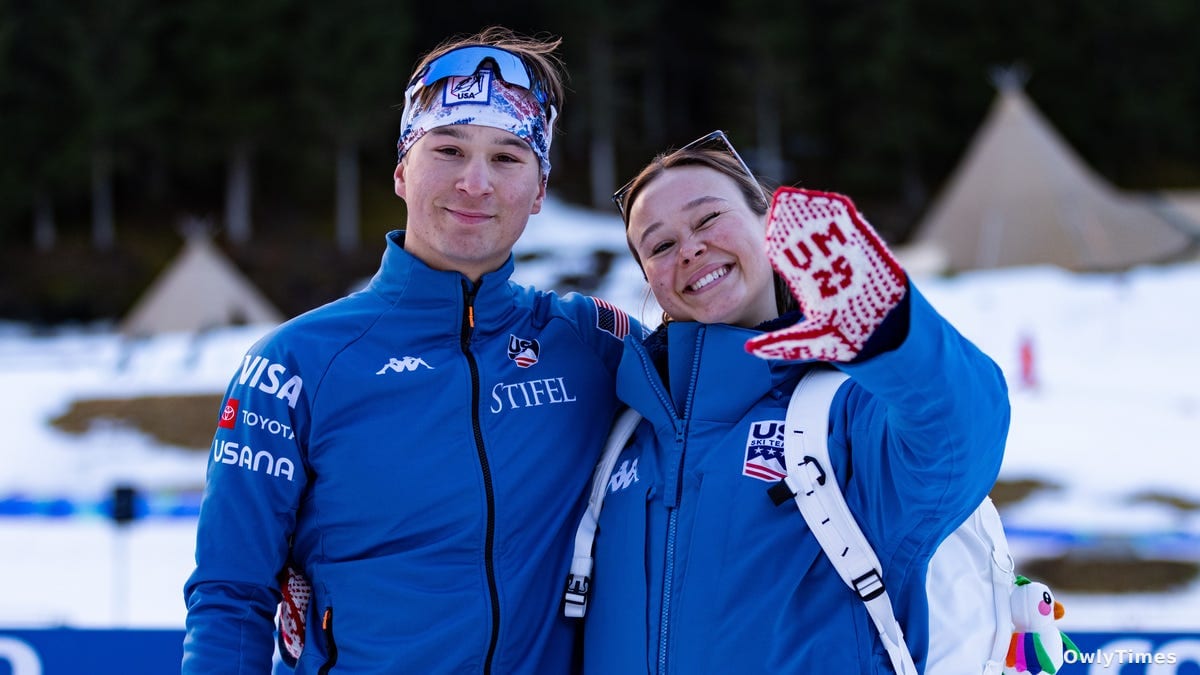
The IOC’s justification for excluding women’s Nordic combined – low viewership and limited national representation – is being fiercely contested. Brabec argues that the sport is becoming increasingly competitive, with eight nations represented on the podium in FIS World Cups since 2020, comparable to the seven nations represented by men. Annika Malacinski, currently ranked 10th in the world, embodies this progress. Her journey, inspired by watching her brother Niklas compete and overcoming initial fears, demonstrates the growing talent pool and dedication within the sport.
The claim of low viewership is particularly suspect. The 2022 Beijing Olympics, impacted by COVID-19 restrictions, saw overall ratings decline. To penalize a developing women’s event based on the performance of the men’s competition during an exceptional circumstance feels punitive and short-sighted. Moreover, the IOC’s focus on immediate viewership overlooks the potential for growth. Increased visibility, sponsorships, and funding – all hampered by Olympic exclusion – are crucial for attracting new athletes and expanding the sport’s fanbase. This represents a shift from investing in the future of the sport to reacting to current, potentially skewed, data.
What This Means: Beyond the Podium
The exclusion of women’s Nordic combined has far-reaching implications. For athletes like Annika Malacinski, it’s a devastating blow, a denial of a lifelong dream based on factors beyond her control. The emotional toll is significant, as she describes losing sleep and grieving alongside her brother’s Olympic preparations. Beyond the individual impact, the decision undermines the IOC’s stated commitment to gender equality, creating a perception of hypocrisy.
For the sport itself, the consequences could be existential. Without the Olympic platform, securing funding, attracting sponsors, and fostering grassroots development become exponentially more difficult. This raises the very real possibility of Nordic combined being removed from future Games, effectively erasing a historic discipline. The broader message sent to emerging sports is clear: unless you can guarantee immediate viewership and medal success, your inclusion is precarious. This creates a self-fulfilling prophecy, discouraging investment in sports that don’t already have established global followings.
Looking Ahead: A Fight for Survival
The future of women’s Nordic combined, and potentially the sport as a whole, hangs in the balance. The key will be sustained advocacy from athletes, national federations, and supporters. Increased visibility – leveraging social media and maximizing coverage during upcoming competitions – is crucial to demonstrate the sport’s appeal and potential. The IOC’s decision regarding the 2030 Games in France will be pivotal.
However, the underlying issue extends beyond Nordic combined. The IOC must reassess its criteria for inclusion, moving beyond a purely metrics-driven approach and prioritizing long-term development, equal opportunity, and the preservation of sporting diversity. The current trajectory risks transforming the Olympics into a spectacle focused solely on commercially viable events, sacrificing the spirit of inclusivity and athletic excellence that once defined the Games. The fight for women’s Nordic combined is, therefore, a fight for the soul of the Olympics itself.