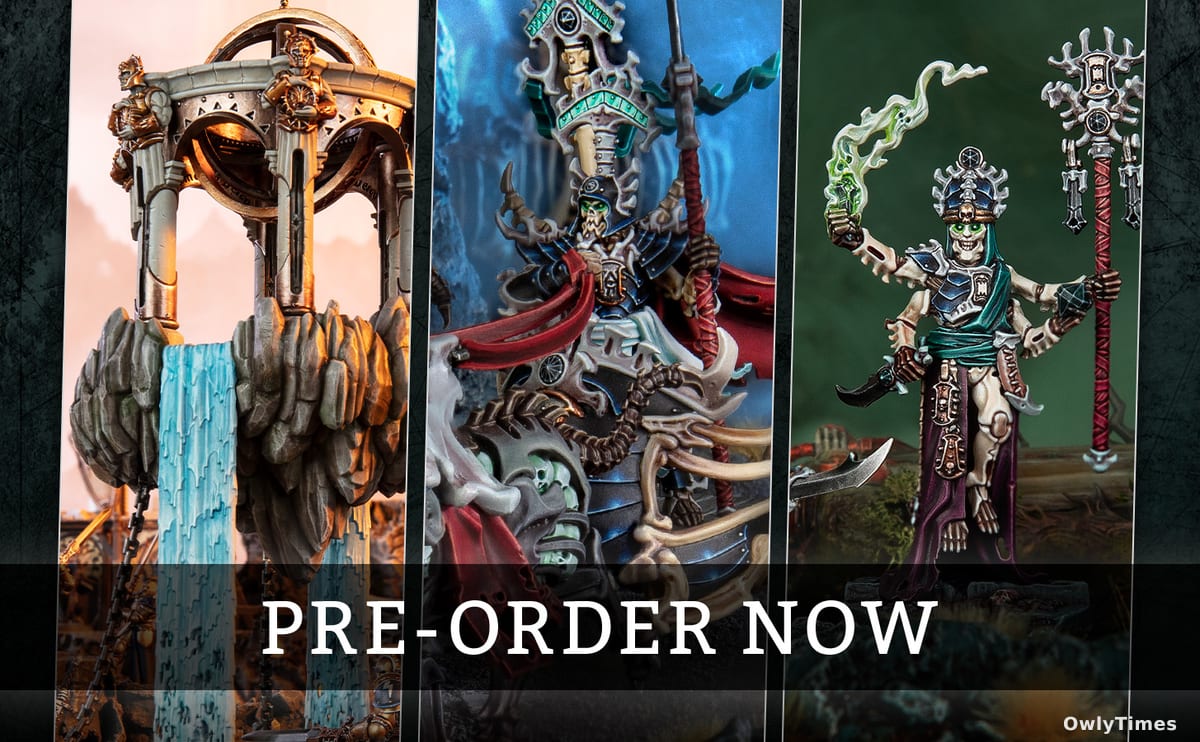

Is the future of tabletop wargaming less about strategic brilliance and more about…compliance? Games Workshop’s latest release for Warhammer Age of Sigmar, the Battletome: Ossiarch Bonereapers, isn’t just an expansion of a grimdark universe; it’s a meticulously crafted exercise in brand loyalty, disguised as lore and miniatures. The real story here isn't the updated rules or the new miniatures – it’s the increasingly sophisticated way Games Workshop is locking players into a cycle of consumption, and what that means for the hobby beyond the immediate thrill of unboxing.
The Ossiarch Bonereapers, for the uninitiated, are essentially skeletal legions enforcing the will of Nagash, the god of death. Their aesthetic is imposing, their backstory revolves around a brutally efficient system of “bone-tithes” (read: mandatory resource collection), and their gameplay emphasizes relentless, disciplined advance. The release is comprehensive: a full Battletome detailing lore and rules, a smaller “Gamer’s Edition” for portability complete with 56 reference cards, and a steady stream of new units like the Liege-Kavalos on War Chariot and the terrifying Mortis Reapers. All of this is, of course, beautifully sculpted and undeniably cool. But the sheer volume of product, coupled with the limited availability messaging (“available while stocks last”), feels less like catering to a fanbase and more like engineering scarcity.
Drawn from warhammer-community.com.
This isn’t new for Games Workshop, but the Ossiarch Bonereapers release feels particularly pointed. The “bone-tithe” framing within the lore isn’t accidental. It mirrors the financial tithe demanded of players. Want to field a competitive army? You need the Battletome. You need the new units. You need the reference cards. You need the specialized dice. The Gamer’s Edition, while ostensibly convenient, is a clear signal: even your downtime is a revenue opportunity. Compare this to the early days of Warhammer, where players often converted existing miniatures or relied on photocopied rules. The barrier to entry was lower, fostering a more creative and communal spirit. Now, the ecosystem is carefully curated, and deviation from the approved path is actively discouraged.
The release of the Spearhead: Kavalos Vanguard set further illustrates this trend. It’s a pre-packaged force designed for quick, streamlined games, but it also functions as a gateway drug. Players who enjoy the experience are then incentivized to expand their collection, purchasing individual units and the full Battletome to unlock the army’s full potential. Even the “Regiment of Renown: Heralds of the Bone-tithe” – a pre-assembled force usable across multiple factions – isn’t about expanding options, it’s about cross-selling. It’s a clever tactic, and it’s clearly working. Games Workshop’s revenue continues to climb, with a reported £353.2 million in core game revenue for the year ending May 28, 2023 – a 14% increase. But at what cost?
The introduction of products like the Ossiarch Bonereapers Warscroll Cards and Dice highlights a subtle but significant shift. These aren’t essential for gameplay, but they enhance the experience, and more importantly, they reinforce the brand. The bone-colored dice with dark green markings aren’t just functional; they’re a status symbol, a visual declaration of allegiance. This is the power of meticulously crafted consumerism, and Games Workshop is mastering it. The “Nexus of Power Rivals Deck” for Warhammer Underworlds is another example, offering a complete, ready-to-play experience that encourages further investment in the card game ecosystem.
The tension here is clear: Games Workshop is a business, and its primary goal is to generate profit. But the company has historically benefited from a passionate, creative community. By increasingly prioritizing control and consumption, they risk alienating the very players who built their success. The current model feels less like a hobby and more like a subscription service with plastic figurines. The question isn’t whether Games Workshop will continue to profit – they almost certainly will. The question is whether they’ll remember what made the hobby special in the first place.
My prediction? Within the next two years, Games Workshop will introduce a tiered “membership” program offering exclusive access to new releases, discounts, and in-game benefits. It will be framed as a way to reward loyal customers, but it will ultimately be another layer in the carefully constructed ecosystem designed to maximize revenue and solidify their control over the Warhammer universe. Prepare to pay your tithe, citizens. It’s only going to get more demanding.





