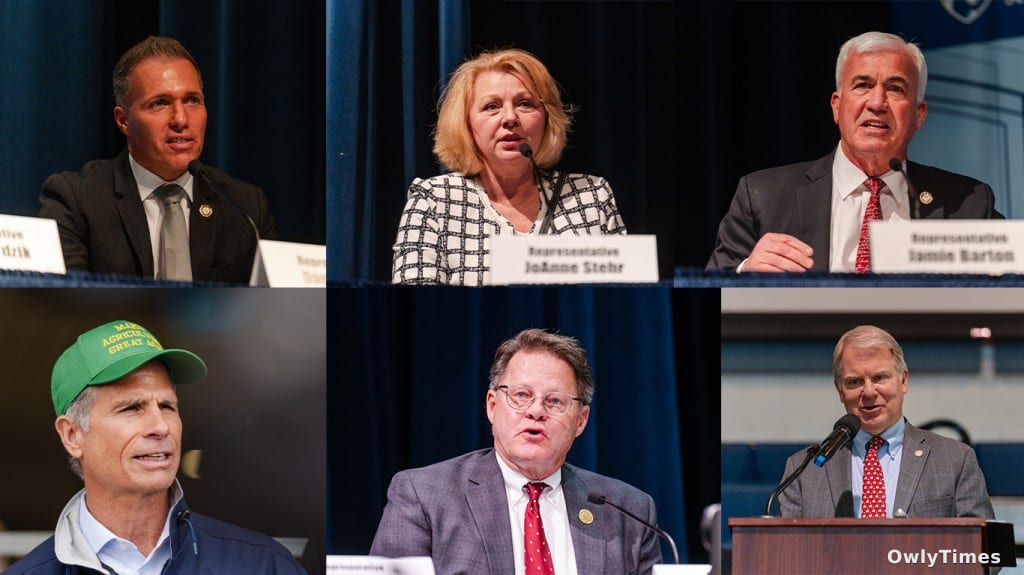

The legislative agenda in both Harrisburg and Washington this week reveals a calculated pivot toward institutional stabilization, prioritizing the preservation of existing social contracts over radical policy shifts. For lawmakers like Senator Dave Argall (R) and Representative Dan Meuser (R-9), the strategic calculus is clear: capitalize on non-controversial, high-consensus issues—such as workforce shortages and pension protections—while utilizing divisive social legislation to signal core ideological commitments to their respective bases.
Addressing Structural Gaps in Public Infrastructure
The Pennsylvania General Assembly demonstrated a focus on long-term systemic maintenance, particularly with the passage of SB 998, the Nursing Education Capacity Legislation. By securing a 43-4 vote in the Senate on Monday, proponents are attempting to mitigate the statewide nursing workforce shortage through targeted funding for accredited programs. The primary beneficiaries here are the state’s healthcare institutions and students, while the immediate losers are those who favor smaller government spending footprints.
Parallel to this, HB 797 addresses a long-standing oversight regarding the financial security of first responders. By passing 48-0 on Tuesday, the Senate effectively moved to close the "firefighter pension loophole," which previously penalized surviving spouses for remarriage. This near-unanimous support mirrors the bipartisan legislative unity often seen in the aftermath of the COVID-19 pandemic, where essential service protections were fast-tracked to maintain public order and morale.
Navigating Social Policy and Federal Reauthorization
While workforce and pension bills moved with relative ease, the legislative landscape remains sharply divided on social issues. SB 1293, which mandates that sports activities in public schools and universities be designated male, female, or coed, passed 30-17 on Wednesday. This move forces a definitive stance on a polarizing cultural issue, placing the legislative burden squarely on the House. Senator Argall’s support for this measure underscores a commitment to traditional definitions of athletic competition, a position that serves as a high-visibility marker for primary-focused voters.
On the federal level, the U.S. House of Representatives focused on continuity, passing 14 bills including H.R. 2493, the Improving Care in Rural America Reauthorization Act of 2025. With a 406-4 vote on Tuesday, Rep. Meuser and his colleagues signaled broad support for extending grant programs through 2030. This legislation functions as a stabilizer for rural healthcare networks, ensuring that existing infrastructure receives a clear runway for the next five years.
Regulatory Tightening in Child Safety
The passage of S. 1528, the CHILD Act of 2025, on Tuesday reflects a broader federal trend toward federalizing background check standards. By amending the National Child Protection Act of 1993, the Senate achieved a rare unanimous consensus, with both Senator John Fetterman (D) and Senator Dave McCormick (R) casting "Yea" votes. This move shifts the compliance burden onto childcare contractors nationwide, aiming to minimize institutional liability.
The political chess move to watch next will be the House response to the Senate’s recent activity, specifically whether the chamber prioritizes the backlog of social legislation like SB 1293 or focuses on the Senate-passed CHILD Act. The speed at which these bills move from committee to the floor in the House will serve as a measurable signal of whether the current legislative momentum favors social reform or administrative consolidation.





