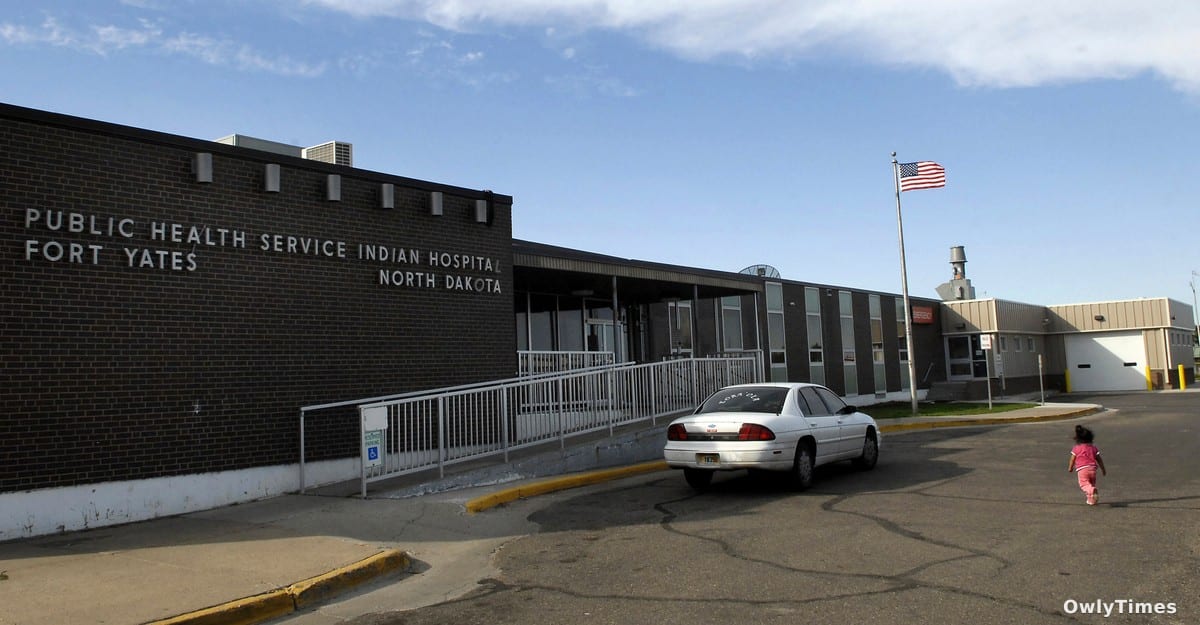

The Department of Health and Human Services (HHS) is attempting a complex solution to a long-standing problem, but the method itself is raising serious questions about workforce management and respect for public servants. Last week, HHS finalized the reassignment of several top officials – including leaders from the National Institutes of Health (NIH) and the Centers for Disease Control and Prevention (CDC) – to positions within the chronically understaffed Indian Health Service (IHS). While the need for bolstering IHS is undeniable, the manner in which HHS is addressing this shortage, after a year of administrative limbo for these experienced leaders, suggests a strategy focused more on personnel reduction than genuine service improvement. The narrative being presented – a dedicated effort to improve healthcare for Native American and Alaskan Native communities – doesn’t fully align with the reality experienced by those directly impacted, and warrants a closer examination of the motivations and potential consequences.
The situation unfolded with a startling lack of transparency. Many of these officials were abruptly placed on administrative leave last spring, with no explanation and no timeline for resolution. For nearly twelve months, they remained in a state of uncertainty, only to receive a terse notification last week demanding a decision – accept a reassignment to a remote IHS facility by April 8th, or face removal from federal service. This abrupt shift from silence to ultimatum has understandably left many feeling “ghosted” by the agency, as one official anonymously described it to OwlyTimes. It’s crucial to understand this isn’t simply about job changes; it’s about a pattern of handling experienced personnel in a way that undermines morale and raises concerns about the agency’s long-term planning. HHS press secretary Emily G. Hilliard emphasized the department’s dedication to improving IHS, stating that each executive joining the agency “will strengthen leadership capacity and support mission delivery.” However, this statement doesn’t address the fundamental disconnect between the skills of the reassigned officials and the actual needs of the IHS.
See the original theatlantic.com story for the full account.
The IHS does face a significant staffing crisis. For years, the agency’s vacancy rate has hovered around 30%, and in some regions, it’s even higher. Robert F. Kennedy Jr., the current HHS Secretary, has publicly stated his commitment to improving tribal health, and the recent “largest hiring initiative” in IHS history reflects that stated priority. But the officials being reassigned are largely experienced administrators – directors of NIH institutes, leaders of CDC centers, and specialists in areas like communications and human resources. The IHS, however, desperately needs “hands-on clinical people,” as David Simmons, director of government affairs and advocacy at the National Indian Child Welfare Association, explained. Sending experts in organizational management to hospitals lacking physicians and nurses feels less like a solution and more like a reshuffling of personnel with little regard for practical impact. The average salary for these reassigned officials is a minimum of $150,000, potentially exceeding the salaries of their future supervisors within the IHS, a financial disparity that raises questions about resource allocation.
This isn’t simply a matter of mismatched skillsets; it’s a matter of trust and cultural sensitivity. Simmons rightly points out the importance of health officials being deeply familiar with the unique needs and cultural contexts of tribal communities. American Indians and Alaskan Natives experience disproportionately lower life expectancies and higher rates of chronic diseases, and have a justified history of mistrust towards the federal government. The reassigned officials, as far as is known, lack significant experience working with these communities. This lack of cultural competency, combined with the perceived disrespect demonstrated by the reassignment process, risks further eroding trust and hindering effective healthcare delivery. The criticism from Deb Haaland, a member of the Pueblo of Laguna, last year, labeling the proposals as “shameful” and “disrespectful,” underscores the sensitivity of this issue. Furthermore, reports indicate a lack of consultation with tribal leaders regarding these reassignments, with some reassigned officials encountering confusion and resistance from their new supervisors.
The timing and potential motivations behind this move are also concerning. The action may be linked to new guidance from the Office of Personnel Management limiting administrative leave to 12 weeks, effectively forcing HHS’s hand. However, several officials believe the ultimate goal is to encourage resignations, as firing federal employees is difficult without clear cause. This raises the specter of a deliberate effort to reduce the number of senior-level employees, potentially streamlining the agency through attrition. While HHS maintains its commitment to improving the IHS, the actions suggest a different priority: minimizing personnel costs and reducing bureaucratic hurdles. The loss of these experienced officials from agencies like the NIH and CDC also has broader implications for public health preparedness and research capacity, as noted by Philip Huang, director of Dallas’s health department, who relies on their expertise at the local level.
Looking ahead, the critical question is not simply whether these officials will accept the reassignments, but what HHS will do if many decline. Will the agency genuinely prioritize attracting qualified clinical personnel to the IHS, or will it continue to pursue a strategy that appears more focused on personnel reduction than service improvement? We should watch closely for any changes in IHS hiring practices, and whether HHS demonstrates a genuine commitment to consulting with tribal leaders and addressing the systemic issues that contribute to the agency’s staffing crisis. The fate of these reassigned officials is a symptom of a larger problem – a disconnect between stated goals and actual implementation – and the long-term health of Native American and Alaskan Native communities hangs in the balance.