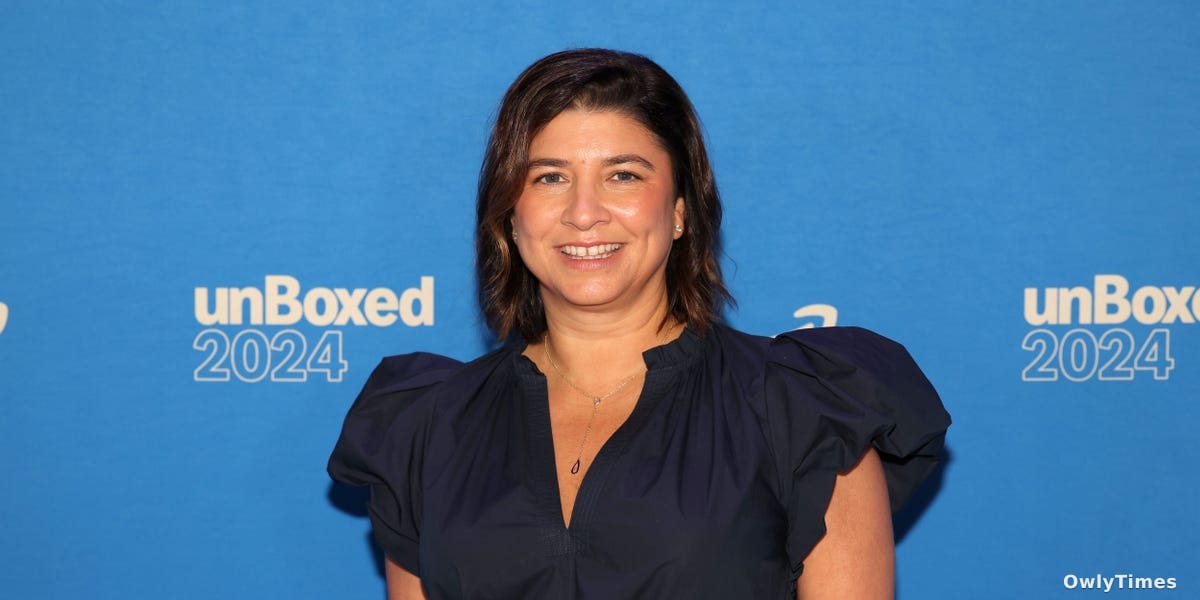

$3.5 billion is the estimated value of the advertising revenue at stake as Paramount Global navigates a critical restructuring of its ad sales division, a figure underscored by the recent poaching of Danielle Carney from Amazon and Chris Brady from Tribeca Enterprises. These aren’t isolated personnel moves; they represent a deliberate shift in strategy following Paramount’s hard-won victory in securing the advertising rights for Warner Bros. Discovery, a deal that immediately positions the company as a major player in a consolidating media landscape. Follow the money here reveals a clear priority: Paramount is betting heavily on a streaming-first future, and these hires are designed to accelerate that transition, capitalizing on the combined reach of Paramount+ and the newly acquired inventory.
The appointment of Carney as Head of U.S. Sales is particularly telling. Her four years at Amazon, culminating in the role of Head of Video and Live Sports Sales, directly correlate with the ecommerce giant’s aggressive push into sports broadcasting, most notably the 2021 exclusive NFL deal. Amazon’s ad revenue from live sports has grown exponentially since then – a 2023 report by Insider Intelligence estimated a 24% year-over-year increase – and Paramount is clearly attempting to replicate that success. Prior to Amazon, Carney’s decade-plus tenure at Disney/ESPN provides a deep understanding of traditional sports media, a crucial asset as Paramount integrates live sports into its streaming offerings. This isn’t simply about finding someone with ad sales experience; it’s about importing a proven playbook for monetizing live content in the streaming era.
This article draws on reporting from Business Insider.
The parallel hiring of Chris Brady as EVP of Paramount Media Labs signals a parallel strategy: a focus on brand integration and “native” advertising. Brady’s background at Tribeca Enterprises and WarnerMedia demonstrates expertise in forging partnerships that go beyond traditional ad spots, embedding brands within content and experiences. This is a response to a broader industry trend. According to a recent report by GroupM, brand integration revenue grew 18% in 2024, outpacing traditional TV advertising growth of 6%. Paramount, under Chief Revenue Officer Jay Askinasi, is attempting to position itself as a provider of holistic marketing solutions, not just ad inventory. The creation of this new role, and Brady’s appointment to it, is a direct acknowledgement of this shift.
However, this restructuring isn’t occurring in a vacuum. The departure of two previous ad sales leaders – Chris Simon in February and John Halley in late 2025 – highlights internal friction and a period of instability within Paramount’s advertising division. While Askinasi frames these changes as part of a “simplified structure,” the turnover suggests a more complex power dynamic and a potential struggle to define a cohesive strategy. Furthermore, the aggressive bidding war for Warner Bros. Discovery’s ad inventory, while a win for Paramount, also carries significant financial risk. The company will need to demonstrate a clear return on investment, and the success of Carney and Brady will be critical in achieving that goal.
Askinasi’s internal memo emphasizes a “seamless, client-first experience” and a unified offering across the “One Paramount” ecosystem. This is a standard corporate mantra, but the underlying implication is crucial: Paramount is attempting to overcome a historical weakness in its ability to present a cohesive advertising proposition. Previously, different divisions operated in silos, making it difficult for advertisers to access the full breadth of Paramount’s content and audience reach. The unification of HoldCo partnerships, programmatic sales, and advanced advertising teams – as outlined in Askinasi’s memo – is a direct attempt to address this issue.
What this means for your wallet: expect to see more integrated advertising experiences within Paramount+ content, potentially including branded segments within shows and more personalized ad targeting. The success of this strategy will determine whether Paramount can justify the increased investment in its ad sales division and ultimately, whether consumers will see a corresponding increase in subscription costs or a greater reliance on ad-supported tiers. The key question for investors and consumers alike is whether Paramount can successfully translate its newly acquired assets and talent into a sustainable revenue stream, or if this restructuring will simply be another chapter in the ongoing turbulence of the media industry. Watch closely for the results of the upcoming Upfront season – the first major test of this new strategy.