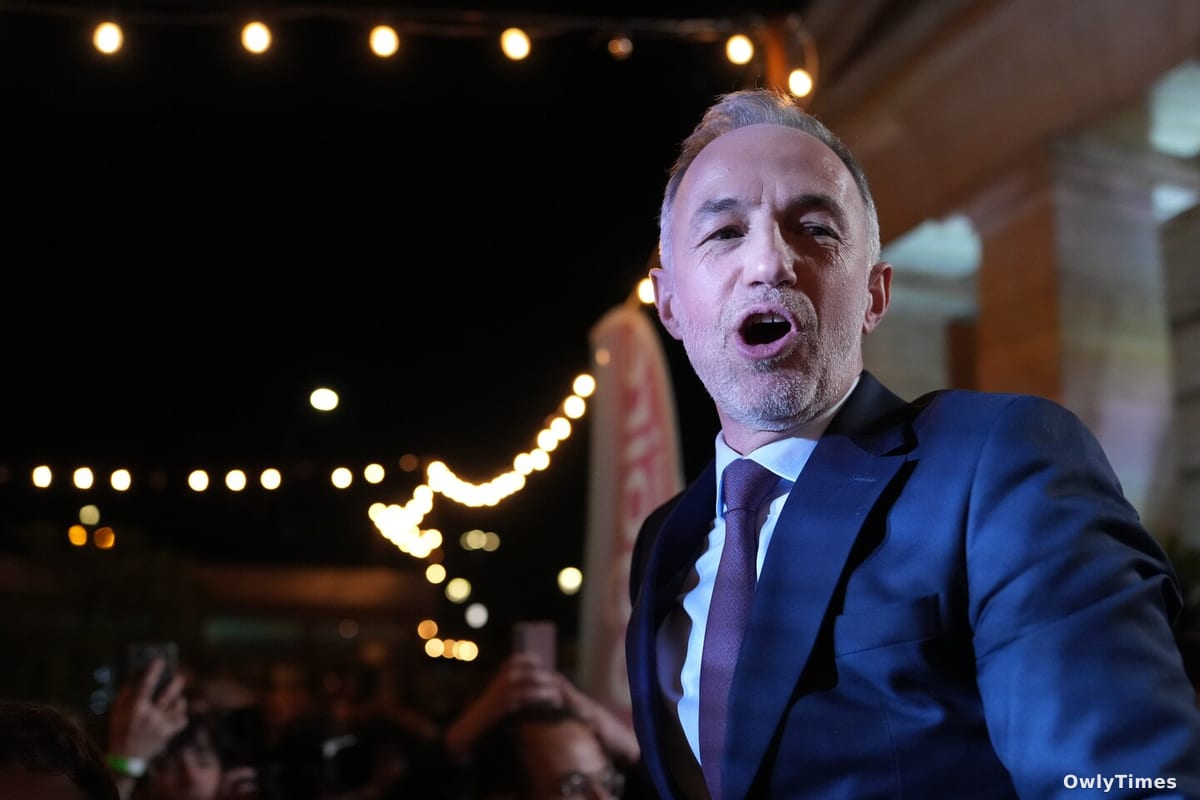

The Socialist Succession: A Calculated Shift in Paris City Hall
The election of Emmanuel Grégoire as Mayor of Paris isn’t simply a continuation of the Socialist party’s hold on the city; it’s a strategic repositioning ahead of the 2027 presidential elections, designed to consolidate the left’s base while subtly distancing itself from the perceived failures of the Anne Hidalgo administration. While presented as a seamless transition – Grégoire replacing Hidalgo, both Socialists – the victory signals a deliberate effort to recalibrate the party’s image and address growing concerns about urban governance in the face of rising national anxieties. The symbolic act of Grégoire cycling to City Hall, mirroring a gesture by his predecessor, isn’t about continuity, but about reclaiming a narrative of accessibility and environmental commitment that had become diluted during Hidalgo’s tenure. This isn’t a revolution, but a carefully managed evolution.
Navigating the Urban Discontent: Who Wins, Who Loses
The immediate beneficiaries of Grégoire’s win are, predictably, the Socialist party apparatus and the Parisian electorate seeking a fresh face. Hidalgo, despite serving two terms, faced increasing criticism over issues like cleanliness, security, and the rising cost of living – concerns that resonated particularly strongly in the outer arrondissements. Grégoire, relatively unknown nationally, benefited from being untainted by these controversies. However, the victory also represents a win for the Green party, whose support was crucial in securing the runoff. Grégoire’s emphasis on green initiatives, evidenced by his post-election bike ride, is a direct acknowledgement of this dependency and a signal of future policy alignment. Those who lose are, first and foremost, the center-right Les Républicains, who failed to make significant inroads despite capitalizing on urban discontent. More subtly, the far-right Rassemblement National also loses, as a Socialist victory in Paris denies them a key symbolic prize and limits their narrative of a France “lost” to immigration and social breakdown.
Original reporting: The Washington Post.
Echoes of Delanoë: A Pragmatic Turn for Parisian Socialists
This strategic shift isn’t entirely new. The election of Bertrand Delanoë in 2001, also as a Socialist mayor after a period of right-wing control, offers a compelling historical parallel. Like Grégoire, Delanoë presented himself as a pragmatic reformer, focused on improving the quality of life in Paris while maintaining a socially progressive agenda. Both mayors understood that winning Paris requires appealing to a broad coalition, including centrist and Green voters, and that ideological purity is a luxury they cannot afford. Hidalgo, by contrast, pursued a more overtly ideological agenda, particularly regarding transportation and urban planning, which alienated segments of the electorate. The difference is crucial: Delanoë’s success lay in his ability to project an image of competence and deliver tangible improvements, while Hidalgo’s tenure was increasingly defined by perceived mismanagement and unfulfilled promises. Grégoire’s challenge is to learn from both precedents – to embrace the pragmatic approach of Delanoë while avoiding the pitfalls of Hidalgo’s increasingly polarized leadership.
The Shadow of the 2027 Presidential Race
The timing of this mayoral election is inextricably linked to the looming 2027 presidential contest. While Grégoire himself is not currently considered a frontrunner, his success in Paris will undoubtedly elevate his national profile and position him as a potential contender. More importantly, a well-governed Paris under Socialist leadership serves as a powerful counter-narrative to the right-wing critique of left-wing urban governance. The Socialist party, reeling from successive electoral defeats, desperately needs a success story to showcase its ability to deliver effective governance. The 48-year-old Grégoire’s victory provides that opportunity, but only if he can address the concerns that plagued his predecessor. The fact that Grégoire is “little known to the French public,” as the AP reported, is less a weakness than a blank slate – an opportunity to define himself on his own terms, free from the baggage of past failures.
The Next Move: Securing the Green Alliance
The immediate political chess move to watch is how Grégoire navigates his relationship with the Green party. While their support was instrumental in his victory, their expectations are high, and their influence will likely extend beyond environmental policy. Will Grégoire prioritize ambitious climate targets, even if they clash with the concerns of businesses and residents? Or will he seek to strike a more pragmatic balance, potentially alienating his Green allies? The composition of his deputy mayoral team will be a crucial indicator of his intentions. Specifically, the appointment – or lack thereof – of prominent Green figures to key positions will reveal whether Grégoire intends to genuinely integrate the Green agenda into the heart of his administration, or merely pay it lip service. The stability of his administration, and the long-term prospects of the Parisian left, hinge on this delicate balancing act.





