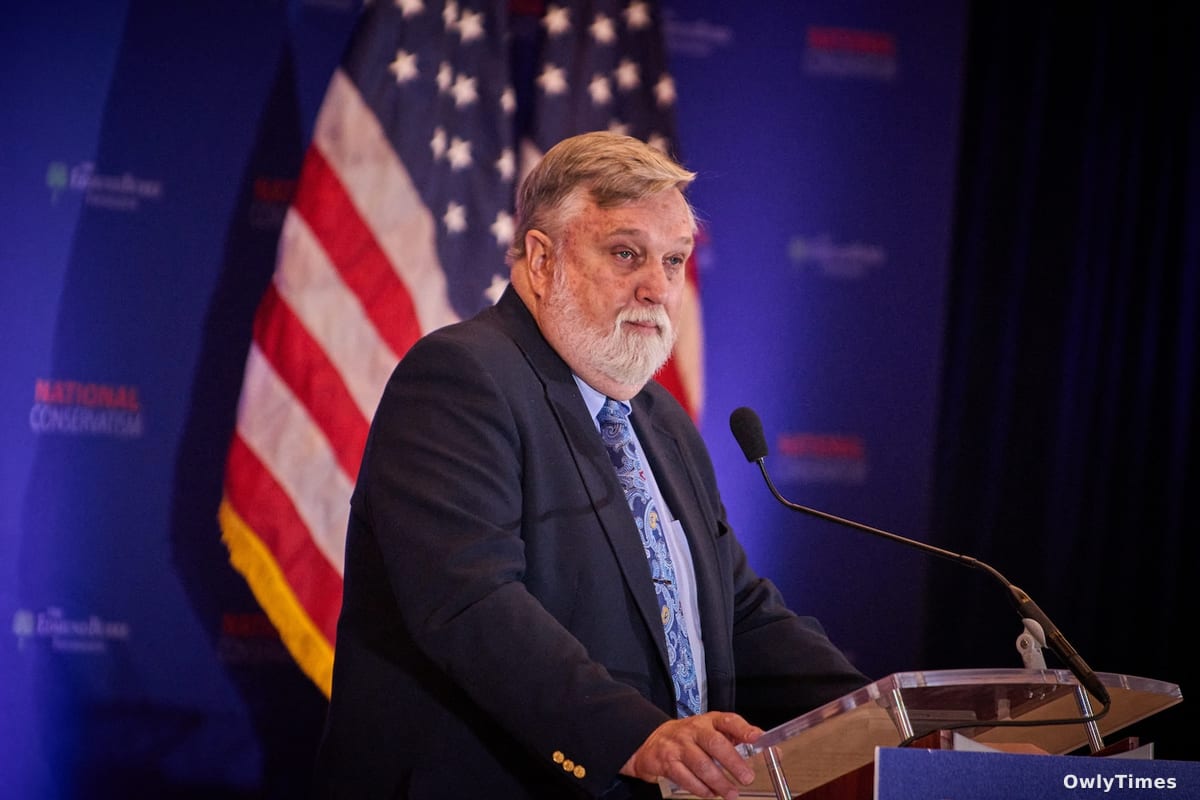

The invitation extended to Pastor Doug Wilson to lead a worship service at the Pentagon isn’t a breach of the separation of church and state, but a calculated signal about the evolving priorities within the Hegseth Pentagon – a deliberate assertion of cultural power disguised as religious observance. The strategic calculus isn’t about piety; it’s about consolidating support amongst a specific, increasingly influential faction within the conservative movement and, crucially, within the ranks of the military itself. This move isn’t an anomaly, but a continuation of a pattern where appeals to traditional values are deployed as a means of reinforcing ideological alignment and bolstering internal cohesion, particularly as recruitment numbers remain stubbornly below pre-2020 levels.
A Pastor’s Theology and the Pentagon’s Politics
Wilson’s views, openly described as “paleo-Confederate” and encompassing justifications for slavery alongside the subjugation of women, are not incidental to the significance of this event. They are central to it. His documented positions – that wives should submit to their husbands, women should be denied the vote, and that Christian enslavers acted on “firm scriptural ground” – represent a specific strain of Christian Reconstructionism gaining traction within certain segments of the armed forces. The choice wasn’t about finding a generically “religious” leader; it was about signaling affinity with a worldview that explicitly rejects modern conceptions of equality and individual liberty. This isn’t about welcoming diverse faith perspectives; it’s about affirming a particular, hierarchical interpretation of Christian doctrine. The timing, following a period of intense debate over diversity, equity, and inclusion (DEI) initiatives within the military, further underscores this point. DEI programs, framed by conservatives as “woke ideology,” have become a focal point for cultural backlash, and Hegseth’s action can be read as a direct counter-offensive.
This piece references the The Washington Post report.
Who Gains and Who Loses in This Alignment?
The immediate beneficiaries are those within the military who share Wilson’s worldview, or who see his invitation as a validation of their own conservative beliefs. This includes a segment of the officer corps and enlisted personnel who have expressed concerns about the perceived erosion of traditional values within the armed forces. For them, the service represents a symbolic victory, a demonstration that their concerns are being heard at the highest levels. Conversely, those who champion diversity and inclusion, and who view the military as a force for social progress, are clear losers. The invitation sends a chilling message to service members from marginalized groups, suggesting that their experiences and perspectives are not valued. More broadly, the move risks alienating potential recruits who may be deterred by the perception of a military increasingly aligned with extremist ideologies. The long-term impact on recruitment, particularly among women and minority groups, remains to be seen, but the potential for damage is significant. The Pentagon’s official narrative will likely focus on religious freedom and supporting the troops, but the underlying message is far more pointed.
Echoes of McCarthyism and the Culture Wars
The strategic use of religious conviction to signal political alignment isn’t new. The parallels to the McCarthy era are striking, though the ideological targets have shifted. In the 1950s, anti-communism was used as a bludgeon to silence dissent and enforce conformity. Today, it’s a specific brand of Christian nationalism that’s being weaponized to achieve similar ends. Like Senator Joseph McCarthy, Hegseth is leveraging anxieties about national identity and moral decay to consolidate power and marginalize opposition. The difference is that McCarthy operated in an atmosphere of Cold War paranoia, while Hegseth is navigating a deeply polarized domestic landscape. The invocation of religious faith also echoes the broader “culture wars” of the 1990s, when conservative activists sought to reclaim what they saw as traditional American values. However, the current iteration is more explicitly tied to a rejection of democratic principles, as evidenced by Wilson’s views on women’s suffrage and the legitimacy of slavery. This isn’t simply a debate about cultural norms; it’s a challenge to the foundations of American democracy.
The Next Move: Chaplaincy Policy and Ideological Screening
The immediate political chess move to watch is the upcoming review of Pentagon chaplaincy policy. Conservative groups have been lobbying for changes that would allow chaplains to openly promote their religious beliefs, even if those beliefs conflict with military regulations or the rights of service members. Expect a push to loosen restrictions on religious expression and to prioritize the recruitment of chaplains who adhere to a conservative worldview. Simultaneously, look for subtle shifts in the ideological screening process for military personnel, potentially including questions designed to assess candidates’ views on social issues. This wouldn’t necessarily be a formal “loyalty test,” but rather a more nuanced effort to identify individuals who are aligned with the Pentagon’s evolving ideological priorities. The question isn’t whether Hegseth intends to fundamentally transform the military into a bastion of Christian nationalism, but whether he can successfully navigate the political and legal challenges that such a transformation would entail. The coming months will reveal the extent of his ambition and the limits of his power.





