
The fluorescent lights of the Pentagon seemed to hum a little louder on Thursday, casting long shadows as Pete Hegseth, War Secretary, delivered a series of phone calls that would reverberate far beyond the building’s walls. It wasn’t a declaration of victory, or a strategy shift in the ongoing operation in Iran, but a sweeping personnel change – a culling of experienced leadership that left even baseball legend Reggie Jackson questioning the rationale. The move, ostensibly about “leadership change,” feels less like strategic recalibration and more like a dismantling of institutional memory at a moment when steady hands are arguably needed most.
A Swing and a Miss? Jackson’s Unexpected Commentary
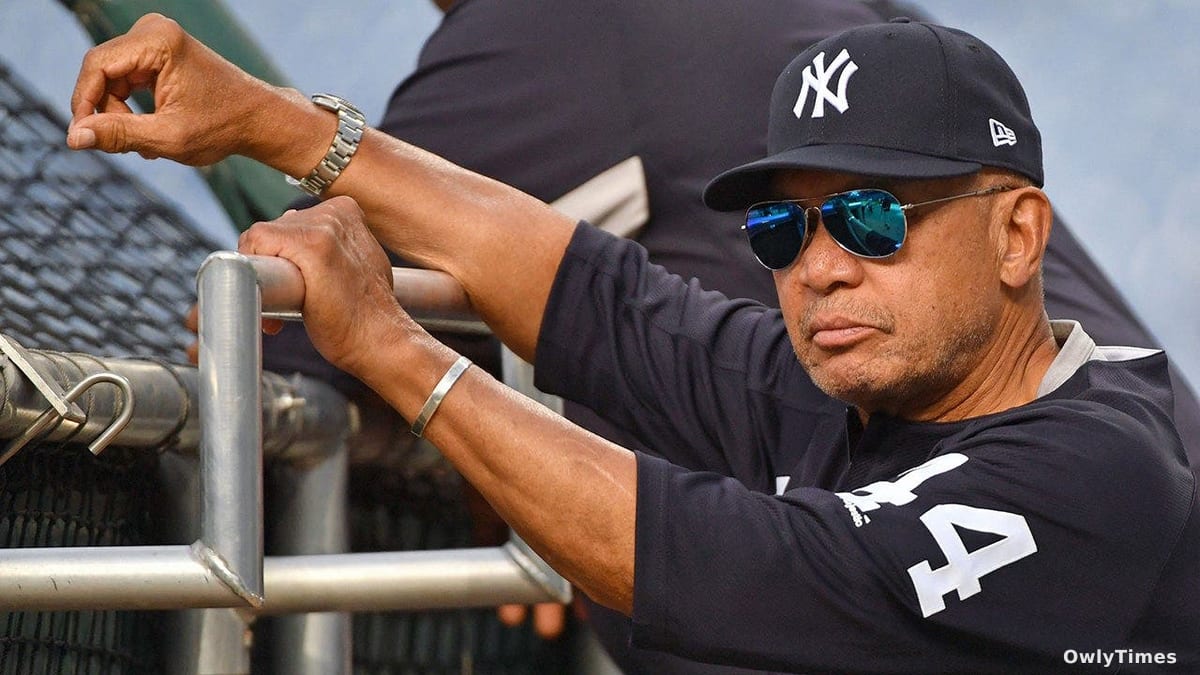
It’s not every day a Hall of Fame slugger weighs in on military leadership, but Reggie Jackson’s blunt assessment on X – “What’s happening with our Sec of Defense. How do we get rid of all that experience at this time? Help me I don’t get it.” – tapped into a growing unease. The former New York Yankee, known for his clutch hitting under pressure, clearly saw something amiss in the abrupt departure of Army Chief of Staff Randy George, along with Generals David Hodne and William Green, head of the Army’s Chaplain Corps. Jackson’s misspelling of “Chaplain” only amplified the raw, unfiltered nature of his concern, suggesting a gut reaction to what felt like a destabilizing decision. This isn’t simply a sports figure stepping outside his lane; it’s a cultural icon voicing a sentiment many are privately harboring: a fear that experience is being sacrificed on the altar of…what, exactly?
Based on the original Fox News report.
Beyond the Headlines: A Pattern of Disruption?
The official line, delivered by War Department chief spokesperson Sean Parnell in a terse post on X, speaks of gratitude for George’s “decades of service.” But the account from a senior War Department official – that Hegseth asked George to retire immediately, stating “It was time for a leadership change” – paints a far more unsettling picture. This wasn’t a planned transition; it was a directive. And it wasn’t isolated. The simultaneous ousting of Hodne and Green suggests a systematic clearing of the deck. This follows Hegseth’s announcement last month of changes to military “faith codes” and a planned overhaul of the Pentagon chaplain corps. While framed as modernization, the speed and scope of these changes raise questions about the underlying motivations. Is this a genuine effort to improve military effectiveness, or a power play to install loyalists and reshape the armed forces in Hegseth’s image? The timing, amidst a sensitive military operation, only intensifies the scrutiny.
The Chaplain’s Absence: A Spiritual Void in Wartime?
The removal of Maj. Gen. William Green, head of the Army’s Chaplain Corps, is perhaps the most symbolically jarring aspect of this shakeup. In any military conflict, the role of the chaplain extends far beyond religious services. They are counselors, morale boosters, and a vital link to the spiritual and emotional well-being of soldiers facing unimaginable stress. To remove that leadership at a time of active engagement isn’t just a logistical change; it’s a potential blow to troop morale and a signal that the human element of warfare is being de-prioritized. Jackson’s pointed question – “Getting rid of The Chaplin leader?” – underscores this concern. It’s a recognition that war isn’t fought solely with weapons and strategy, but with faith, hope, and the support of those who provide spiritual guidance.
What This Means for the Future of Military Leadership
The long-term consequences of these decisions remain to be seen, but the immediate effect is a climate of uncertainty within the ranks. The message being sent is clear: loyalty and alignment with Hegseth’s vision are paramount, even if it means sacrificing experience and institutional knowledge. This isn’t simply about these three individuals; it’s about the precedent being set for future military leaders. Will they be encouraged to offer independent counsel, or will they be expected to fall in line? The question now isn’t just about the operation in Iran, but about the kind of military Pete Hegseth intends to build. Will it be a force defined by strategic agility and seasoned leadership, or one driven by ideological conformity and rapid, disruptive change? The coming months will reveal whether this gamble pays off, or if the cost of experience proves too high to bear.