
The strategic calculus behind the Pentagon’s latest budget request is one of deliberate fiscal decoupling. By isolating the $1.5 trillion baseline request from the mounting expenses of the conflict with Iran, defense planners have shielded their core modernization agenda from the immediate volatility of wartime spending. This maneuver effectively separates the long-term industrial base requirements from the unpredictable, high-velocity costs of active combat, allowing the administration to frame the primary budget as a strategic investment rather than a war-funding bill.
A Massive Fiscal Expansion
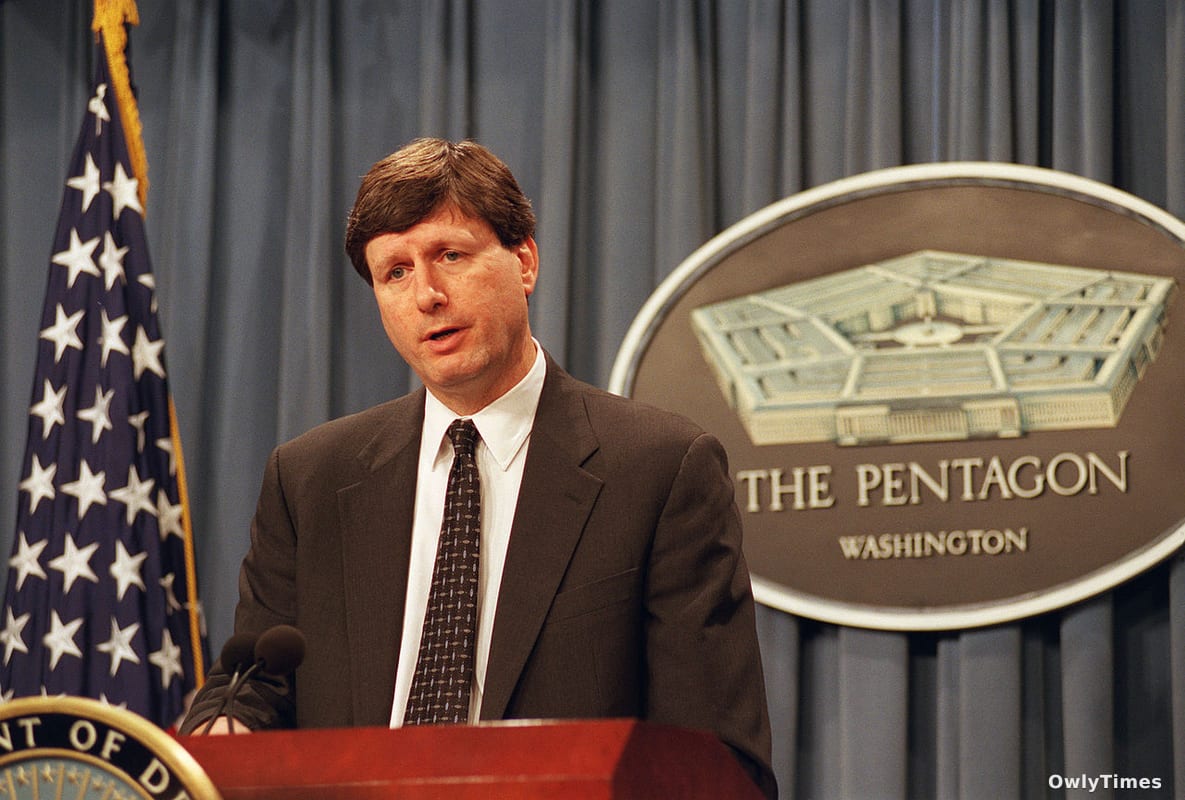
The sheer scale of this request, a 50% increase over the previous year’s ask, signals a profound shift in defense priorities. Jules Hurst III, the Pentagon’s acting chief financial officer, clarified at an April 21 briefing that the baseline figures were finalized before the onset of the current conflict. This timing creates a significant structural gap: the request covers standard operational readiness but leaves the massive, ongoing costs of munitions and infrastructure damage to be addressed through separate channels.
Who benefits from this compartmentalization? The Pentagon’s procurement offices gain a degree of stability, as their planned acquisition of $31.8 billion in new munitions—including high-end Patriot and THAAD missile systems—remains insulated from the immediate political optics of a war-funding debate. Conversely, the taxpayer faces an opaque fiscal landscape. While the baseline budget is presented as a singular, comprehensive number, it is merely the opening act in a much larger, more expensive drama.
The Hidden Cost of Conflict
The ambiguity surrounding the war's true price tag remains a point of friction between the executive branch and the legislature. When pressed during a congressional hearing last week, White House budget director Russell Vought failed to provide even a "ballpark" estimate for the total cost of the Iran conflict. This lack of transparency contrasts sharply with the granular data already emerging from the front lines. Estimates shared with Congress indicate that munitions expended in just the first six days of the conflict cost $11.3 billion, a figure that highlights how rapidly the current fiscal assumptions could be rendered obsolete.
The administration’s intention to seek a supplemental request exceeding $200 billion for the Iran war suggests that the total financial burden will eventually dwarf the initial budgetary projections. Much like the supplementary funding bills that defined the early years of the Iraq and Afghanistan wars, this approach allows the administration to pass the primary budget under a banner of national security while deferring the contentious debate over the "war tax" to a later date.
Industrial Base Reconstitution
The interplay between the two funding streams centers on the replenishment of the nation’s depleted stockpiles. Hurst noted that the only significant overlap between the annual budget and the supplemental Iran request concerns the rebuilding of Middle East infrastructure and the restocking of weapons. The Pentagon is currently evaluating how lessons learned from the conflict, such as the rapid depletion of advanced air defense systems, will necessitate a redesign of regional bases.
The political chess move to watch next will be the specific language within the forthcoming supplemental funding request. Whether the administration classifies base construction costs as "replenishment" or "modernization" will determine how much of the Iran conflict’s infrastructure bill can be successfully migrated into the permanent, multi-year budget baseline. Until that supplemental request arrives on the Hill, the total scale of the taxpayers' liability remains a moving target, dictated more by the tempo of combat operations than by established fiscal policy.





