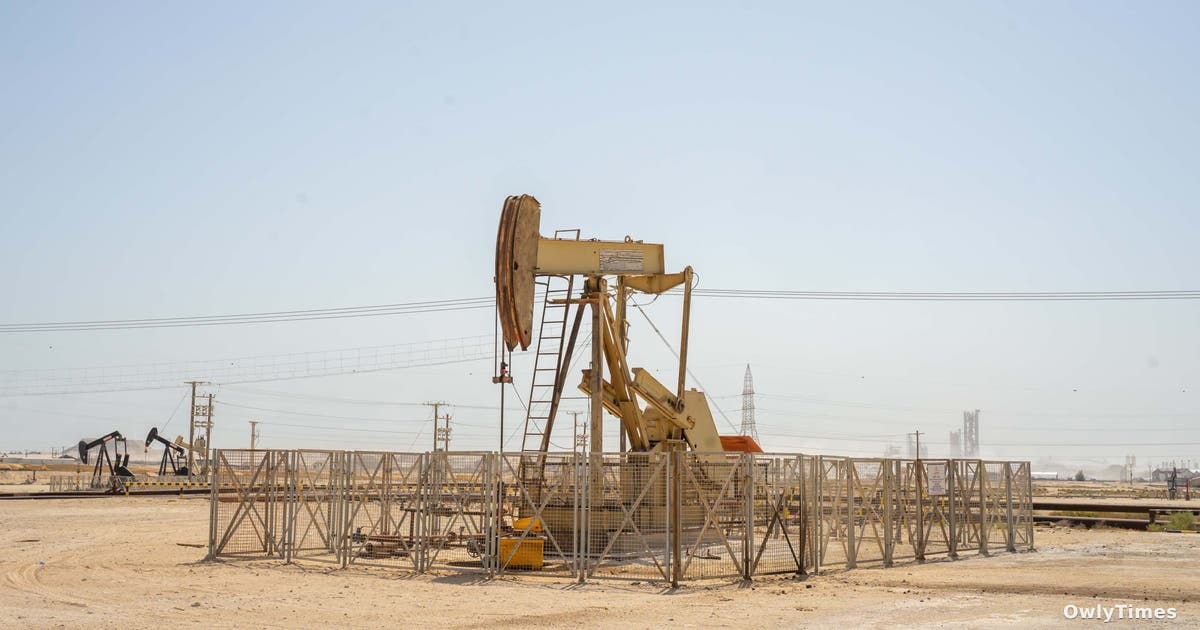

$50 billion in lost oil production serves as the stark primary metric of the current conflict in Iran, a figure that transcends mere geopolitical tension to represent a profound contraction in global energy supply. According to calculations by Reuters, this loss accounts for more than 500 million barrels of crude oil, a volume verified by the data firm Kpler. To understand the scale of this disruption, consider that this volume is equivalent to roughly one month of total oil demand in the United States or enough fuel to power the global international shipping industry for approximately four months.
Infrastructure Damage and the Bottleneck Effect
The supply deficit is not merely a consequence of geopolitical posturing; it is rooted in tangible damage to critical energy infrastructure. The Associated Press reports that refineries in Saudi Arabia and Kuwait have sustained physical damage, alongside oil tanker terminals in the United Arab Emirates and Iran. This degradation of production capacity is compounded by the operational reality of a naval blockade. In peacetime, nearly 20% of the world’s traded oil traverses the Strait of Hormuz. As the United States continues to enforce its blockade, countries unable to export their crude have reached storage capacity, forcing a localized halt to production that further exacerbates the global shortage.
The Consumer Cost of a Blockaded Strait
The volatility of these supply chains is directly reflected at the retail level for American consumers. On Monday, April 20, 2026, the average price of a gallon of regular gasoline in the U.S. stood at $4.04. While this represents a marginal dip from the previous week, it remains 37% higher than the price point recorded before the U.S. and Israel launched their initial attacks on Iran on February 28. Energy experts suggest that even if the Strait of Hormuz were to reopen immediately, the lag time in logistics and the necessity of repairing damaged infrastructure mean that fuel prices are unlikely to return to pre-war levels for several months.
Jet Fuel Scarcity and the European Outlook
The crisis has moved beyond the gas pump and into the aviation sector, where the supply of jet fuel has reached a critical juncture. The International Energy Agency (IEA) warned that Europe holds approximately six weeks of remaining jet fuel supplies. Fatih Birol, Executive Director of the IEA, characterized the situation as the largest energy crisis the agency has ever faced. For travelers, this suggests that the coming months will likely be defined by a combination of elevated ticket fares and the looming possibility of widespread flight cancellations as refineries struggle to meet the shortfall.
What This Means for Your Wallet
For the individual investor and consumer, the financial environment remains tethered to the duration of the naval blockade and the timeline for infrastructure repairs. The primary indicator to monitor is the volume of crude throughput in the Strait of Hormuz; as long as this artery remains restricted, upward pressure on energy costs will persist. Consumers should anticipate continued volatility in fuel and electricity pricing, while travelers must weigh the risks of potential service disruptions against rising airfare costs. The next reading of global jet fuel inventory levels will provide the most accurate signal as to whether the aviation sector can avoid a systemic service collapse in the coming quarter.