
71st Nationwide Ranking Signals a Shift in Retail Value Proposition
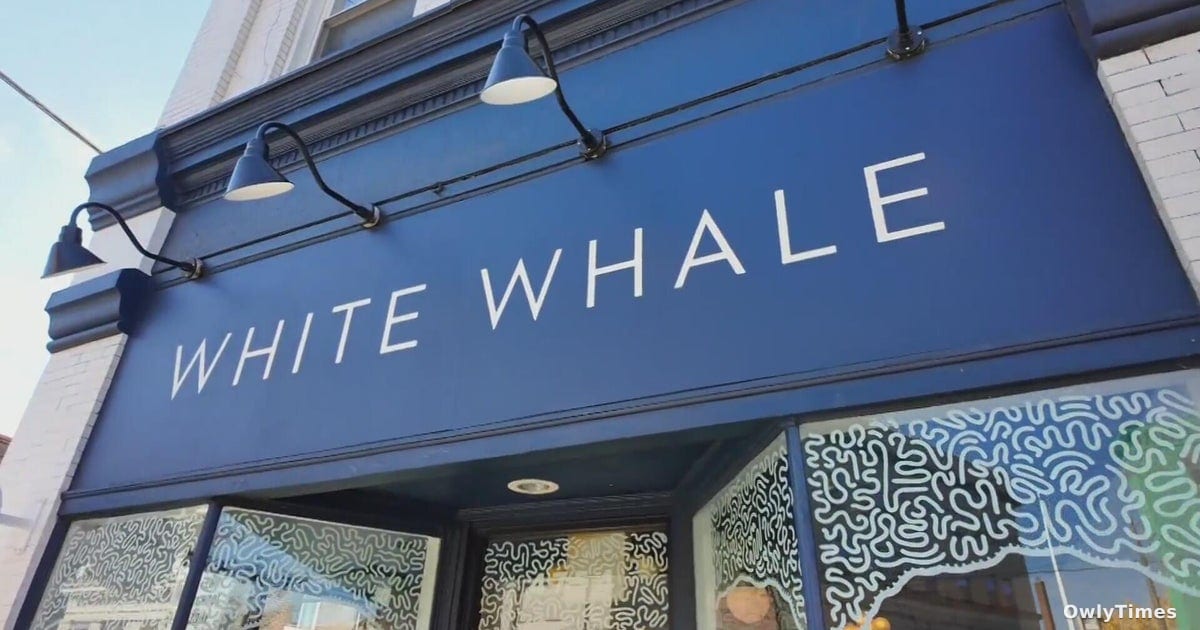
A single data point cuts through the noise of declining retail foot traffic: White Whale Bookstore in Pittsburgh’s Bloomfield neighborhood ranks as the 71st friendliest small business in the United States, and the undisputed friendliest in Pennsylvania, according to a new study by the Advance Funds Network. This isn’t simply a feel-good story about local charm; it’s a quantifiable indicator of where consumer spending is heading in a post-pandemic economy. The study, based on a survey of over 3,000 people and analysis of Google reviews, reveals a clear preference for businesses prioritizing genuine human connection – a factor increasingly outweighing price or convenience.
Based on the original CBS News report.
Follow the money: while e-commerce continues to grow, representing 15.4% of total retail sales in the fourth quarter of 2025 (U.S. Census Bureau data), the businesses thriving in brick-and-mortar spaces are those actively cultivating a welcoming atmosphere. The Advance Funds Network’s methodology specifically targeted “warmth, patience, and service,” suggesting consumers are willing to actively seek out – and reward – these qualities. This contrasts sharply with the historical emphasis on efficiency and low prices that dominated retail strategy for decades. The fact that White Whale outperformed businesses in larger metropolitan areas, and even those specializing in experiential retail like Bicycle Therapy in Philadelphia (ranked within the top 150), underscores the potency of this shift.
The ranking isn’t merely subjective praise. The study’s methodology, relying on both direct consumer feedback and Google review sentiment analysis, provides a robust dataset. White Whale’s success isn’t accidental; the ranking specifically highlights the staff’s ability to “pivot from poetry to sci-fi to local authors without missing a beat,” demonstrating a level of product knowledge and personalized service that algorithms simply can’t replicate. This is particularly crucial in the book retail sector, which has faced consistent pressure from online giants like Amazon. Independent bookstores saw a modest 2.2% revenue increase in 2025 (American Booksellers Association), a figure that pales in comparison to the double-digit growth of the early 2010s, but the success of White Whale suggests a new avenue for growth: becoming a community hub.
Pennsylvania’s broader representation in the rankings – with The Midtown Scholar Bookstore in Harrisburg and Bicycle Therapy in Philadelphia also making the list – points to a regional trend. This is further reinforced by the inclusion of Hoot and Howl in Morgantown, West Virginia, ranked fourth nationally, and lauded for its “big-hearted Appalachian friendliness.” The common thread isn’t geography, but a deliberate focus on fostering a positive customer experience. This contrasts with national trends showing a decline in customer service satisfaction across multiple sectors, including banking and telecommunications (American Customer Satisfaction Index, 2025).
What this means for your wallet: the rise of “friendly retail” isn’t about spending more money, but about spending it differently. Consumers are increasingly willing to pay a premium – even a small one – for a positive and personalized shopping experience. Expect to see more small businesses investing in staff training, community events, and creating inviting physical spaces. The question now is whether larger retailers will adapt, or continue to prioritize cost-cutting measures at the expense of customer connection. Watch for a potential bifurcation in the market: a race to the bottom on price, and a parallel rise in businesses that actively cultivate a loyal customer base through genuine hospitality.





