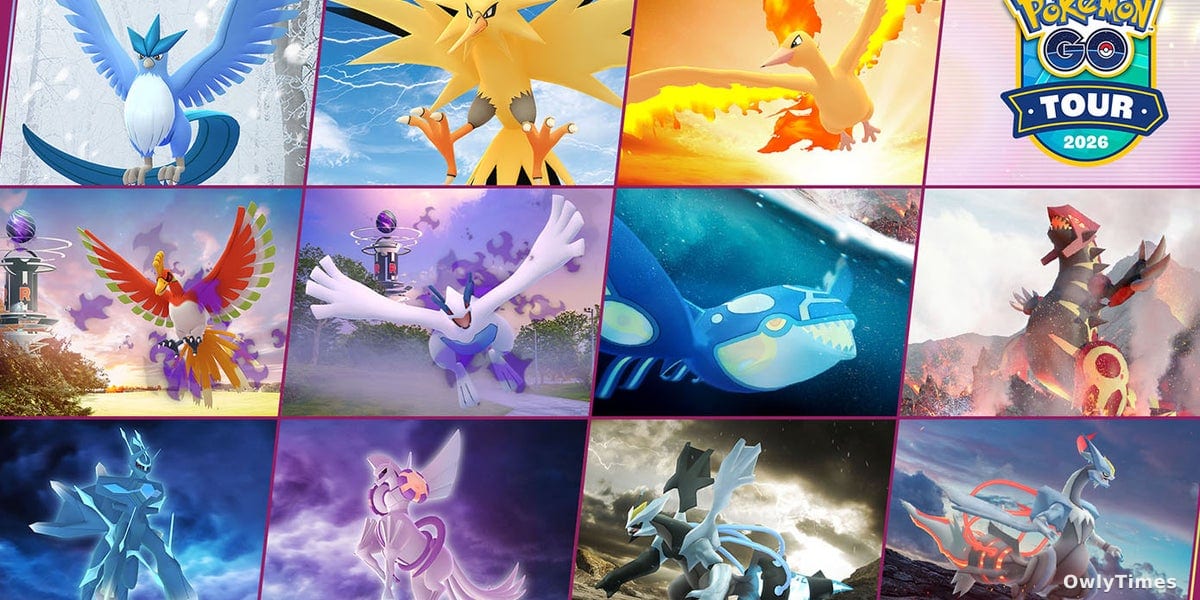

The current flurry of activity in Pokémon Go isn’t simply about catching ‘em all – it’s a carefully orchestrated series of events designed to tap into player nostalgia and maximize engagement ahead of this weekend’s Go Tour Kalos: Global event. While headlines tout “costume Pikachus” and “halved hatch distances,” the Road to Kalos event, running now through March 1st, is a fascinating case study in how Niantic leverages behavioral psychology and event design to drive player participation, and it’s worth examining beyond the surface-level bonuses. The event isn’t just giving players rewards; it’s structuring a week-long experience that subtly encourages specific behaviors – raiding, research completion, and consistent daily engagement – all while revisiting cherished Pokémon generations.
The core of Road to Kalos revolves around daily Timed Research quests, dubbed “Portals to Power.” These aren’t static challenges; they shift focus each day, mirroring a different Pokémon generation from Kanto to Unova. This daily reset is a key element. The initial Kanto-themed quest, for example, tasks players with catching specific Pokémon – Bulbasaur, Charmander, and Squirtle – and completing a raid, rewarding them with encounters featuring Pikachu sporting hats inspired by the original game protagonists, Red and Leaf. This isn’t simply about obtaining a rare Pikachu; it’s about incentivizing players to actively engage with the game every day to avoid missing out on these limited-time rewards. The structure is deliberately paced, offering small, achievable goals that contribute to a larger sense of progression.
Beyond the Timed Research, the event introduces a rotating schedule of Pokémon appearing in raids and in the wild, each day highlighting a different generation. This isn’t random; it’s a deliberate attempt to appeal to different segments of the player base. Players who grew up with the original Kanto region will be excited to see Bulbasaur, Charmander, and Squirtle appearing more frequently, while those who joined the game later might be more interested in the Pokémon from later generations. Crucially, these raid Pokémon have the potential to appear with “Special Backgrounds” – visual flourishes themed around the game in which they originally debuted. This adds a layer of collectibility beyond simply catching a powerful Pokémon, appealing to completionist tendencies and encouraging repeated raid participation. The detail is impressive; a Shadow Ho-Oh caught on Tuesday will have a background inspired by Pokémon Gold, while a Reshiram caught on Friday will feature a Pokémon Black-themed backdrop.
Reporting from eurogamer.net informs this analysis.
Niantic is also subtly manipulating the economic aspects of the game. Remote Raid Passes, typically limited, are significantly increased in number during the event, and completely removed as a restriction for a portion of the weekend. This lowers the barrier to entry for raiding, allowing more players to participate and increasing the likelihood of successful raids, which in turn drives further engagement. The halved hatch distance for eggs is another example, accelerating the process of obtaining Pokémon and creating a sense of reward. These aren’t simply “bonuses”; they’re carefully calibrated adjustments designed to optimize player activity and spending. The inclusion of a free “Go Pass: Road to Kalos” track further incentivizes participation, offering additional rewards for those who choose to engage.
However, it’s important to consider the limitations of interpreting this event. While the design clearly aims to maximize engagement, it’s difficult to definitively prove a direct causal link between these mechanics and increased player spending or retention. The event’s success will ultimately be measured by Niantic’s internal metrics, which are not publicly available. Furthermore, the rotating raid schedule and Pokémon spawns could inadvertently create frustration for players in areas with limited raid access or low Pokémon density. The alternating raid Pokémon on Thursday and Friday, while adding variety, also introduces a degree of complexity that might be confusing for some players.
Looking ahead, the real test will be how Niantic leverages the momentum generated by Road to Kalos for the Go Tour Kalos: Global event itself. Will the event successfully translate the nostalgia and engagement built up over the past week into increased participation and spending during the main event? More importantly, will Niantic continue to refine this model of event design, incorporating lessons learned from Road to Kalos to create even more engaging and rewarding experiences for players in the future? The question isn’t just about what Pokémon will be available this weekend, but whether Niantic can sustain this level of engagement beyond the initial hype, and whether they’ll be transparent about the data driving these design choices.

