
Beyond the Booths: Why Atlanta’s Science Festival Matters for Everyday Health
The Atlanta Science Festival, now entering its second decade since its 2014 launch, isn’t simply a collection of flashy demonstrations – though the demonstrations are undeniably appealing. It represents a crucial, and often overlooked, shift in how scientific institutions are approaching public engagement. While science festivals have existed for years, the ASF’s sustained growth, culminating in the massive Exploration Expo on March 21st at Piedmont Park, signals a growing recognition that scientific literacy isn’t about passively receiving facts, but about actively experiencing the process of scientific inquiry. This year’s theme, “Science for the People,” isn’t just a slogan; it’s a deliberate attempt to bridge the gap between laboratory research and tangible improvements in daily life, a connection often lost in translation.
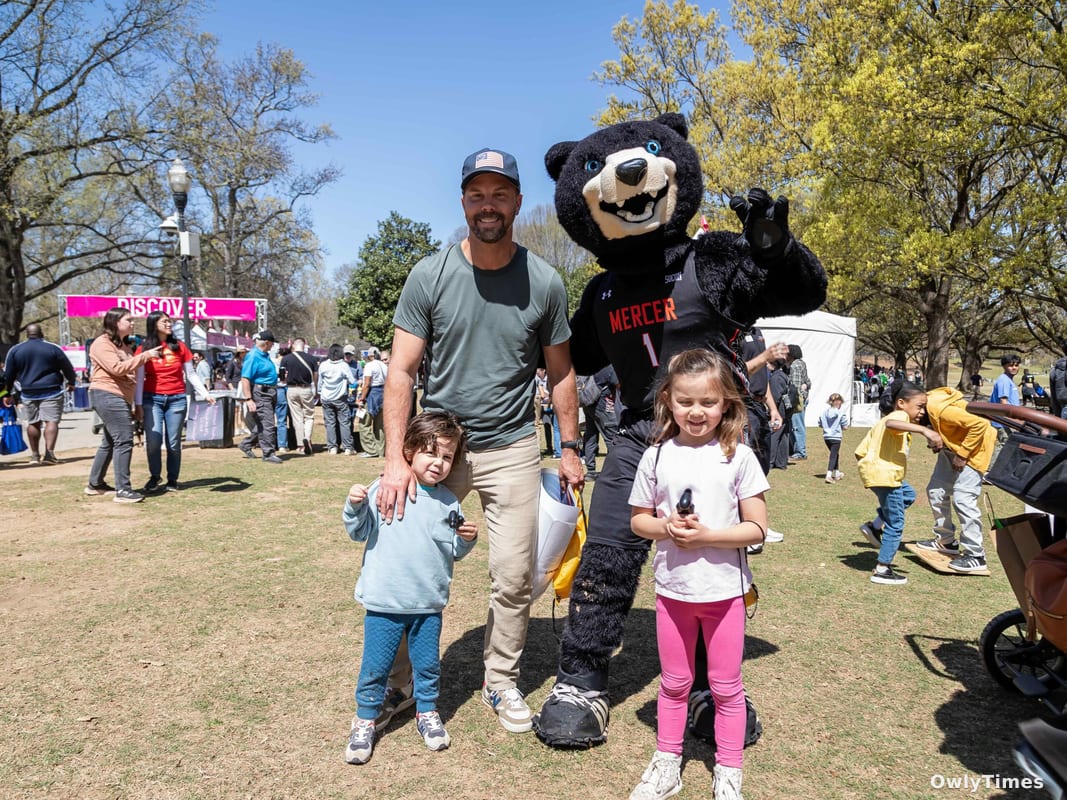
Drawn from den.mercer.edu.
The Expo itself, a free event running from 10 a.m. to 4 p.m., will feature interactive booths from Mercer University’s College of Nursing, College of Pharmacy, College of Health Professions, and School of Engineering. It’s easy to read headlines about “robots” and “sunscreen mixing” and assume this is entertainment for children. However, the specific activities planned reveal a more nuanced goal. The College of Nursing’s “SAM” – a Simulated Auscultation Manikin – isn’t just showing off technology; it’s offering the public a chance to experience the foundational skill of auscultation, listening to heart and lung sounds, a skill vital for early disease detection. Similarly, the College of Pharmacy’s sunscreen compounding exercise isn’t about making a souvenir; it’s a hands-on lesson in the chemistry of UV protection and the importance of informed skincare. These aren’t simplified explanations about science, they are scaled-down versions of the scientific work itself.
The inclusion of the College of Health Professions’ “Athletic Injury Support Station” is particularly noteworthy. While sports medicine is a visible field, the underlying principles of injury prevention – stabilization, bracing, taping – are often taken for granted. By allowing participants to practice these techniques and respond to simulated scenarios, the demonstration fosters a deeper understanding of biomechanics and the body’s vulnerability. This isn’t about training future athletic trainers; it’s about empowering individuals to make informed decisions about their own physical well-being. The School of Engineering’s contributions, showcasing payloads from the High-Altitude Research Platform (HARP) and robotics demonstrations, extend this principle to broader scientific literacy, revealing the complex data collection and technological innovation driving our understanding of the world.
It’s important to note what the festival isn’t attempting to do. It’s not a substitute for formal science education, nor is it a platform for resolving complex scientific debates. The ASF, like many public science initiatives, faces the challenge of presenting complex information in an accessible format without sacrificing accuracy. The demonstrations are necessarily simplified, and the focus is on engagement rather than exhaustive explanation. This is a deliberate trade-off, prioritizing sparking curiosity over delivering a comprehensive curriculum. Organizers are even proactively requesting pre-registration for the Expo, not to limit access, but to manage crowds and ensure a positive experience for attendees – a practical acknowledgement of the logistical challenges inherent in large-scale public events.
Looking ahead, the success of the Atlanta Science Festival hinges on continued evaluation of its impact. Simply counting attendees isn’t enough. Future research should focus on assessing whether participation in ASF events translates into measurable changes in public attitudes towards science, increased engagement with STEM careers, and improved health literacy. Specifically, tracking whether individuals who interact with demonstrations like “SAM” are more likely to seek early medical attention for concerning symptoms, or if those who learn about sunscreen compounding are more diligent about sun protection, would provide valuable data. The question isn’t just whether the ASF is popular, but whether it’s demonstrably contributing to a more scientifically informed and healthier community. Will we see a measurable increase in public understanding of basic scientific principles, and more importantly, will that understanding translate into proactive health behaviors? That’s the metric that will truly define the festival’s success.