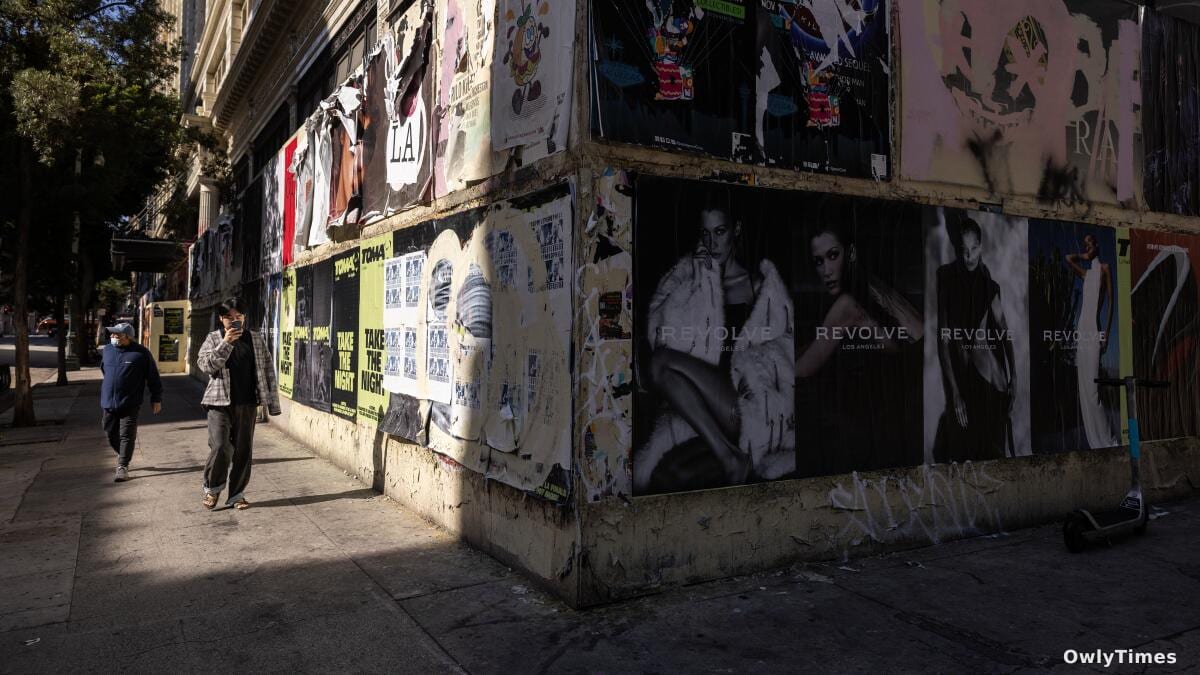

Is the future of downtowns not about attracting massive corporations, but about strategically deploying bakeries? Los Angeles is eyeing San Francisco’s surprisingly effective “Vacant to Vibrant” program – a city-funded initiative to fill empty storefronts with subsidized pop-up shops – as a potential lifeline for its own struggling business districts. The real story here isn't simply about filling vacancies; it’s about recognizing that the post-pandemic urban landscape demands a fundamentally different approach to revitalization, one that prioritizes hyper-local experiences over the promise of a full return to pre-2020 office life.
Downtown Los Angeles, like many major cities, is grappling with a stark reality: the diminished presence of office workers. While many have returned, a significant number remain remote, leaving lunch spots, bars, and shops reliant on their daily foot traffic to wither. Derrick Moore of CBRE notes that many operators are “just electing to skip over downtown,” opting for neighborhoods like Echo Park and Silver Lake where sales prospects appear brighter. This isn’t just a matter of lost revenue; it’s a self-perpetuating cycle. Empty storefronts breed a sense of decline, discouraging investment and further eroding the vibrancy that draws people in.
San Francisco, once considered the poster child for this “doom loop,” has begun to demonstrate a potential path forward. Launched in 2023 with $700,000 in funding and support from corporate philanthropy – including Wells Fargo, JPMorgan Chase, and Visa – Vacant to Vibrant transformed abandoned spaces into a curated collection of small businesses: bakeries, bookstores, cafes, and galleries. Simon Bertrang, executive director of SF New Deal, explains the program’s core philosophy: “We’re creating a window on what downtown could look like.” It’s a deliberate attempt to showcase a future where downtown isn’t solely defined by office towers, but by a thriving ecosystem of local enterprises.
Based on the original the Los Angeles Times report.
The results, while not a complete turnaround, are encouraging. OpenTable data shows online reservations in San Francisco jumped over 20% last year, significantly outpacing Los Angeles’ growth, which remained below 10%. More than 10 of the initial 40 pop-up businesses have already transitioned to multiyear leases, proving the model’s potential for long-term sustainability. Devil’s Teeth Baking Co., a popular local bakery, is a prime example, now drawing weekend crowds to the previously moribund Financial District. This isn’t about simply replicating successful businesses; it’s about strategically placing them to create a ripple effect, attracting other businesses and residents.
However, simply copying San Francisco’s model won’t guarantee success in Los Angeles. The cities face different challenges. San Francisco’s tech-driven economy experienced a particularly acute shift to remote work, making the need for radical intervention more urgent. Los Angeles also faces significant public safety concerns, as highlighted by Nick Griffin of the DTLA Alliance, who emphasizes the need for clean sidewalks, adequate lighting, and graffiti removal before expecting a retail resurgence. A beautiful pop-up bakery won’t thrive on a street perceived as unsafe.
The Downtown Residents Assn.’s recent report underscores this point, calling for a “safe sidewalks” campaign alongside retail revitalization efforts. Their surveys reveal that residents value walkability, restaurants, and coffee shops – the very elements threatened by vacant storefronts and a perceived lack of safety. Cassy Horton, co-founder of the association, highlights the appeal of a walkable lifestyle, stating, “I love being able to live a lifestyle where I can run all of my core errands within a couple blocks. I don’t have a car.” This underscores a crucial point: the future of downtowns isn’t about catering to commuters, but about serving the needs of residents.
Los Angeles is actively exploring a similar program, with the Central City Assn. advocating for rent subsidies for retailers. But the city needs to move beyond simply filling spaces. It needs to address the underlying issues of safety, cleanliness, and the evolving needs of its residents. The success of Vacant to Vibrant in San Francisco isn’t just about the grants and free rent; it’s about a holistic approach that reimagines the purpose of downtown.
Here’s what to watch for: over the next 18 months, will Los Angeles prioritize not just how to fill vacant storefronts, but who gets to fill them, and whether those businesses align with a vision of a more resident-focused, walkable, and safe downtown? If the city simply replicates the program without addressing the systemic issues, it risks creating a temporary illusion of vibrancy, rather than a genuine, sustainable recovery.





