
A Moral Reckoning: Pope Leo XIV Links Conflict, Inequality, and the Future of Global Health
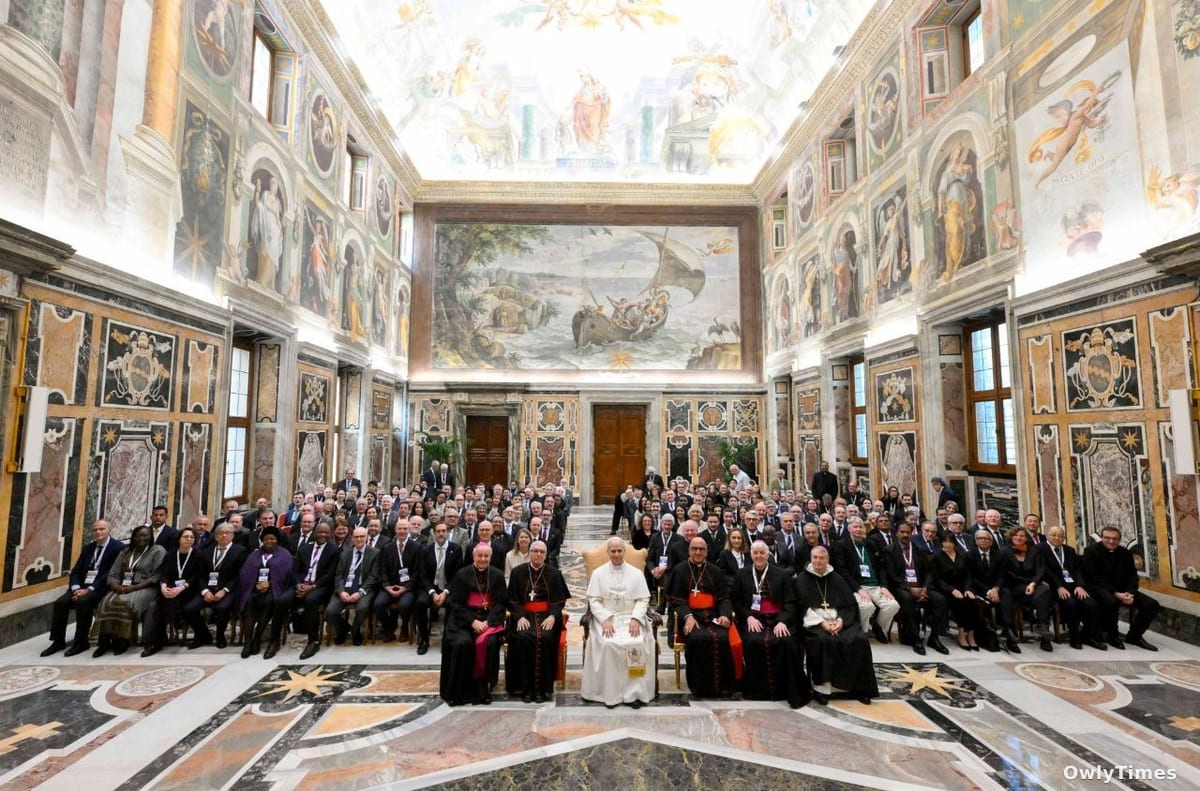
The stark image of hospitals deliberately targeted in wartime – a reality Pope Leo XIV highlighted in his address to the Pontifical Academy for Life on February 16th – isn’t merely a condemnation of specific aggressors. It’s a broader indictment of a world prioritizing destruction over preservation, and a challenge to the very foundations of global health equity. In a moment defined by escalating geopolitical tensions and widening socioeconomic disparities, the Pope’s remarks serve as a crucial, and often overlooked, reminder that health isn’t simply a medical issue, but a deeply political and moral one. This isn’t simply a religious appeal; it’s a pragmatic assessment of the systemic failures undermining public wellbeing worldwide.
Background & Context: From Laudato Si’ to a World in Crisis
Pope Leo XIV’s emphasis on the interconnectedness of life, health, and social justice builds directly upon the legacy of his predecessors, particularly Pope Francis’ encyclical Laudato Si’, which eloquently linked environmental degradation with human suffering. However, the urgency of the message is amplified by the current global context. The COVID-19 pandemic brutally exposed the fragility of healthcare systems and the profound inequalities in access to care, demonstrating, as the Pope noted, “the connection between the health of all and that of each individual.” This realization came alongside a surge in armed conflicts – from Ukraine to Sudan, and escalating tensions in the Middle East – diverting resources away from essential social services and actively destroying healthcare infrastructure. The Pontifical Academy for Life’s focus on “Healthcare for all: Sustainability and equity” for its February 16-17 Plenary Assembly is therefore not an abstract academic exercise, but a direct response to a rapidly deteriorating global landscape. The Academy’s very existence, established by Saint John Paul II in 1998, reflects a growing recognition within the Catholic Church of the need to engage directly with complex bioethical and public health challenges.
See the original vaticannews.va story for the full account.
The Hypocrisy of Unequal Care: A Systemic Failure
The core of Pope Leo XIV’s address lies in his forceful critique of the hypocrisy inherent in proclaiming the fundamental right to health while simultaneously perpetuating the structural inequalities that deny that right to so many. He directly challenges the notion that “all lives are not equally respected, and health is neither protected nor promoted in the same way for everyone.” This isn’t a novel observation – global health data consistently reveals staggering disparities in life expectancy, infant mortality rates, and access to basic healthcare services based on income, geography, and social status. For example, life expectancy in countries with high levels of conflict is, on average, ten years lower than in peaceful nations. But the Pope’s intervention is significant because it frames these disparities not as unfortunate accidents, but as the direct result of “social and environmental policies.” This shifts the focus from individual failings to systemic accountability, demanding a critical examination of the economic and political forces shaping health outcomes. The Pope’s call for a “mosaic” approach – integrating medicine, politics, ethics, and management – underscores the need for holistic solutions that address the root causes of ill-health, rather than simply treating symptoms.
What This Means: Implications for Stakeholders
The implications of Pope Leo XIV’s message are far-reaching. For governments, it’s a call to prioritize public health investments, strengthen social safety nets, and address the social determinants of health – factors like housing, education, and employment – that profoundly impact wellbeing. For the healthcare industry, it’s a challenge to move beyond a profit-driven model and embrace a more equitable and sustainable approach to care. The emphasis on “one health” – recognizing the interconnectedness of human, animal, and environmental health – demands greater collaboration between different sectors and a more holistic understanding of disease prevention. Perhaps most importantly, for the public, it’s a call to demand accountability from policymakers and to advocate for policies that promote the common good. The Pope’s insistence on “care as support and closeness to others” also represents a subtle but powerful critique of the increasing individualism and social fragmentation that characterize contemporary society. Failure to heed this message risks further exacerbating existing inequalities and undermining the foundations of social cohesion.
Looking Ahead: A Test of Global Resolve
The coming months will be critical in determining whether Pope Leo XIV’s call for a more just and equitable approach to global health will be heeded. Key indicators to watch include the level of funding allocated to international health initiatives, the progress made in resolving ongoing conflicts, and the implementation of policies aimed at addressing the social determinants of health. The potential for increased geopolitical instability and economic recession poses a significant threat to these efforts. However, the growing awareness of the interconnectedness of global challenges – from climate change to pandemics – also presents an opportunity for transformative change. The Pope’s message serves as a moral compass, reminding us that true progress requires not only technological innovation and economic growth, but also a fundamental commitment to the dignity and wellbeing of all people. The question remains: will the world choose to prioritize life and health, or continue down a path of conflict and inequality?





