
The roar inside the Tacoma Dome on March 8th wasn’t just for the final buzzer of the Rainier Beach High School boys’ basketball team’s 75-53 victory over Lincoln – it was a sound echoing years of tradition, discipline, and a uniquely Seattle brand of athletic ambition. It was their 11th state title, a number that feels less like a statistic and more like a dynasty, but looking beyond the headlines of championship banners reveals a deeper story unfolding across Seattle Public Schools: a surge in both athletic and academic achievement, a recalibration of what it means to be a student-athlete in a city grappling with rapid change.
A New Definition of “Student-Athlete” Emerges
For decades, the narrative around high school athletics has often been a fraught one – a tug-of-war between the demands of the classroom and the pressure of the playing field. But the recent successes within SPS suggest a shift. Lincoln High School, for example, didn’t just send teams to state; they dominated on multiple fronts. Their gymnastics team secured the Academic State Championship while finishing fourth overall and winning a beam title. That’s not a coincidence. Head coach Lindsay Raleigh’s recognition as Coach of the Year speaks to a deliberate focus on holistic development, a model increasingly valued in a district where the graduation rate climbed to 82.3% in 2025, up from 78.9% five years prior. The boys’ and girls’ wrestling teams and the girls’ swim team also earned Academic State Championship honors, demonstrating a broad commitment to scholastic success. Lincoln’s swim team’s second-place finish overall, with three state race wins and 13 top-eight finishes, further underscores this point – these aren’t trade-offs being made, but synergies being built.
Based on the original seattleschools.org report.
History Made on the Mat: Breaking Barriers at Chief Sealth
The most powerful story, however, unfolded at Chief Sealth International High School. Lanuola Amituanai didn’t just win the 2A 145 lb. Ladies State Championship in wrestling; she made history. Becoming the first female state wrestling champion from Seattle Public Schools is a watershed moment, not just for the program, but for girls’ athletics across the city. Amituanai’s dominance – pinning every opponent, including in the final match, and defeating eight other state-place winners throughout the season – is a testament to her dedication and skill. Simultaneously, Eli Policarpio’s victory in the 2A 215 lb. Boys State Championship, capped by a record-breaking 53-1 season and a new Metro Conference record, added another layer of triumph. The fact that his father, Ernest Policarpio, is the team’s coach adds a particularly poignant dimension to the victory, a legacy built on shared passion and unwavering support.
Beyond the Scoreboard: Addressing Equity and Access
These successes aren’t happening in a vacuum. Seattle, like many major cities, faces persistent challenges related to equity and access in education and athletics. While SPS has made strides in closing achievement gaps, disparities remain. The concentration of high-performing programs at schools like Lincoln and Rainier Beach raises questions about resource allocation and opportunities for students at other schools within the district. The district invested $3.2 million in athletic facility upgrades in 2025, but a recent audit revealed that schools in South Seattle received only 18% of that funding. This imbalance, if left unaddressed, risks creating a two-tiered system where athletic excellence becomes concentrated in already privileged areas. The story of Lanuola Amituanai is particularly resonant in this context – her success challenges traditional gender roles and highlights the importance of providing opportunities for female athletes in underserved communities.
The Ripple Effect: What This Means for Seattle
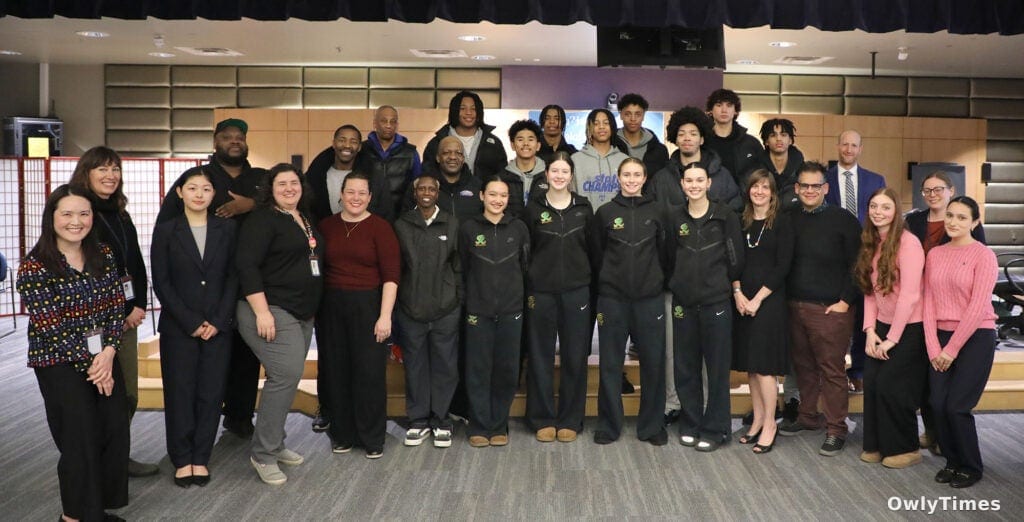
The achievements of these SPS athletes aren’t just feel-good stories; they’re a signal of a broader cultural shift. We’re seeing a generation of student-athletes who are prioritizing academics and athletics, who understand that success isn’t defined solely by wins and losses. This is a generation that’s also acutely aware of social justice issues and the importance of using their platforms to advocate for change. The recognition from Superintendent Ben Shuldiner and the School Board, alongside the Roosevelt High School girls’ basketball team’s semifinal appearance, demonstrates a district-wide commitment to celebrating these accomplishments. But the real question now is whether SPS can build on this momentum. Will they prioritize equitable resource allocation to ensure that all students have the opportunity to thrive, both academically and athletically? Will they continue to invest in coaching and mentorship programs that emphasize holistic development? The future of Seattle Public Schools athletics – and the message it sends to the next generation – depends on it.

