
Beyond the Headlines: Understanding TB Risk at Rainier Beach High School
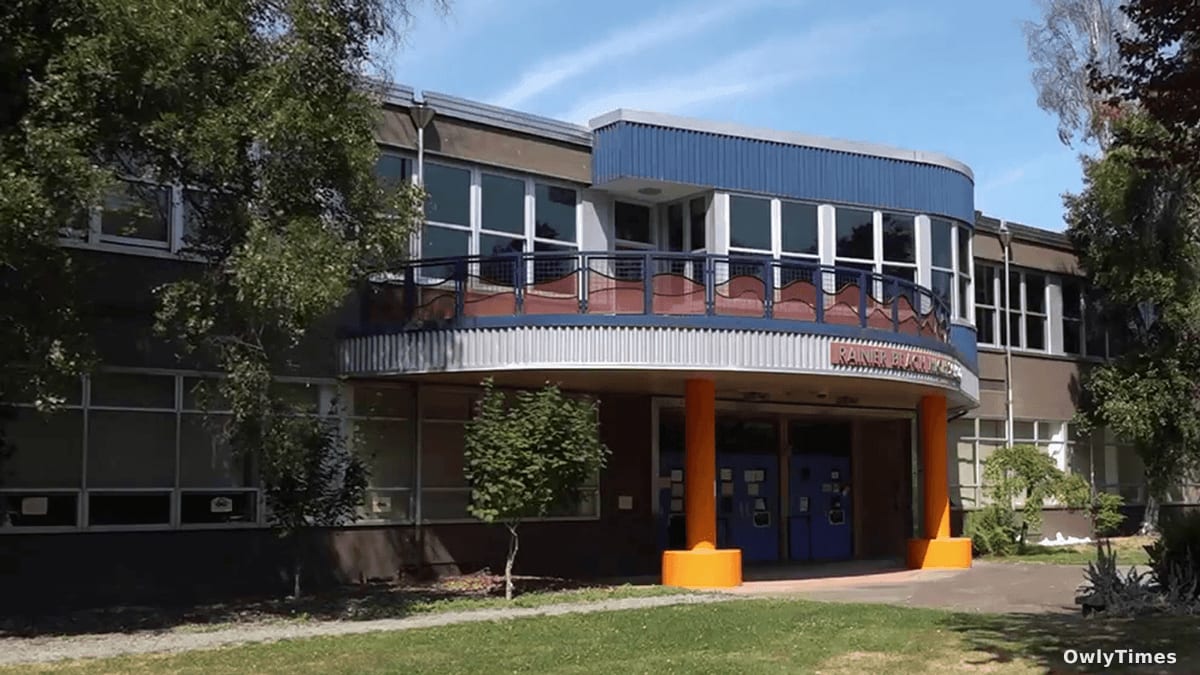
The recent confirmation of an active tuberculosis (TB) case connected to Rainier Beach High School in Seattle has understandably prompted concern, but the immediate risk to the broader community is significantly lower than initial reports might suggest. While Public Health – Seattle & King County is proactively evaluating approximately 130 individuals with potential exposure, framing this as an outbreak risks amplifying anxiety disproportionate to the actual threat. The core scientific question here isn’t simply whether exposure occurred, but the probability of transmission given the nature of TB’s spread and the swift public health response.
The current situation highlights a crucial distinction often lost in media coverage: active TB disease versus latent TB infection. The individual associated with the school is undergoing treatment and, crucially, is no longer contagious. This is a critical point, as active TB, while serious, requires prolonged and close contact in enclosed spaces for transmission to occur. Public Health officials emphasize TB is far less easily spread than common respiratory illnesses like COVID-19, the cold, or the flu. Even within households – environments with significantly higher exposure levels than a school setting – only about one in three close contacts become infected. The 130 individuals being evaluated aren’t necessarily expected to have TB, but are being assessed for potential exposure based on proximity and time spent in indoor spaces with the affected individual.
This isn’t to downplay the importance of the response. Public Health’s proactive approach is aligned with best practices in TB control. The agency estimates roughly 100,000 residents of King County harbor latent TB infection – a dormant state where the bacteria are present but not causing illness or spread. However, this latent infection carries a lifetime risk. Approximately five percent of those with latent TB will develop active disease within two years, and another five percent will do so later in life. This is why identifying and treating latent infections is a cornerstone of the Public Health TB Control Program, which reported 110 new cases of active TB disease in King County so far in 2024, averaging about two new diagnoses per week. The program’s focus is not just on curing active cases, but on preventing future ones through screening and treatment of those with latent infection.
Source material: komonews.com.
The Challenge of Latent Infection and Long-Term Prevention
The high number of individuals with latent TB in King County – nearly 7% of the population – underscores a long-standing public health challenge. This prevalence is linked to historical immigration patterns and the social determinants of health, as TB disproportionately affects vulnerable populations. While treatment for latent TB infection is relatively short, typically three to four months, connecting individuals with care can be difficult. Barriers include access to healthcare, stigma, and the asymptomatic nature of the condition. The current situation at Rainier Beach High School provides an opportunity to reach individuals who may be unaware they carry latent TB, offering them preventative treatment and reducing the future risk of disease. Bev Redmond, Chief of Staff for Seattle Public Schools, affirmed the district’s commitment to supporting students and staff through testing and information, emphasizing a collaborative approach with Public Health.
Limitations to Consider
It’s important to acknowledge the limitations of this initial assessment. The evaluation of 130 individuals will provide a clearer picture of the extent of potential exposure, but it’s a snapshot in time. Identifying all individuals who may have had brief, incidental contact is challenging. Furthermore, the success of preventing future cases hinges on the effectiveness of contact tracing and the willingness of individuals with latent TB to complete treatment. The five percent conversion rate from latent to active TB is an average; individual risk factors, such as weakened immune systems, can significantly increase that probability.
What Comes Next: Monitoring and Targeted Intervention
The immediate next steps involve completing the risk assessments and TB testing for those identified as potentially exposed. Beyond this, Public Health will likely analyze the data to identify any patterns or clusters of latent infection within the school community. This could lead to targeted interventions, such as increased screening in specific classrooms or programs. A crucial question moving forward is whether this case signals a broader increase in TB transmission within King County, or if it remains an isolated incident. Residents should watch for any announcements from Public Health regarding expanded screening recommendations, and individuals experiencing symptoms of TB – persistent cough, fever, night sweats, weight loss – should seek medical attention promptly. The situation at Rainier Beach High School serves as a reminder that while TB is a treatable disease, vigilance and proactive public health measures are essential to prevent its spread and protect the community.