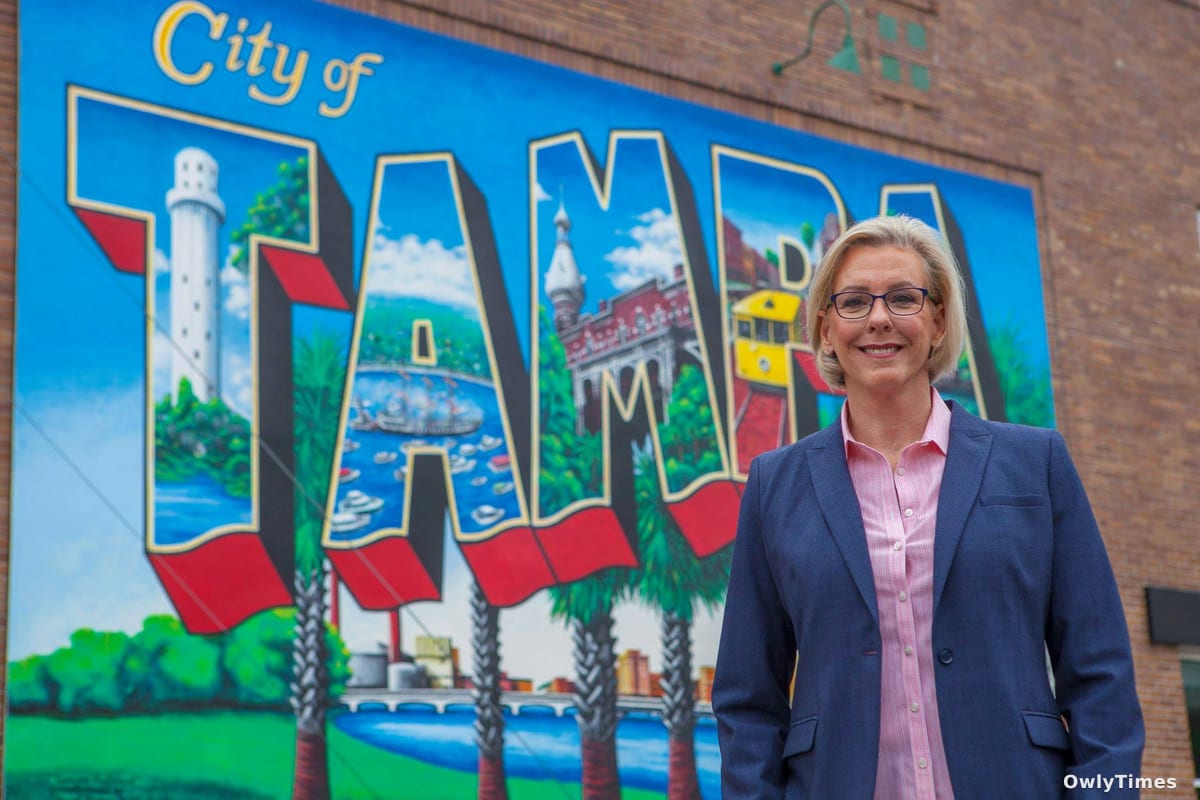

Is a billion-dollar baseball stadium really a “recovery” symbol? Tampa Mayor Jane Castor framed the Tampa Bay Rays’ return to a repaired Tropicana Field after Hurricane Milton as a sign of regional resilience, and the sold-out opener certainly feels good. But the real story here isn't a heartwarming return to normalcy – it’s a high-stakes gamble with public money, disguised as civic pride. While everyone’s focused on home runs, taxpayers should be eyeing the fine print.
The Rays’ temporary relocation to Steinbrenner Field after the hurricane damage was, by all accounts, a success. Castor herself admits enjoying the season in Tampa, even the rain delays. But that enjoyment conveniently overlooks the fact that it was a preview of what the team wants – a permanent move across the bay, funded largely by Hillsborough County and the City of Tampa. The team is now presenting proposals exceeding $1 billion in public funding, a figure that dwarfs recent stadium deals elsewhere and raises serious questions about priorities. Consider this: that amount could fully fund Tampa’s affordable housing initiatives for years, or significantly overhaul the city’s aging infrastructure.
The Battery District Blueprint and Its Price Tag
The Rays aren’t simply asking for a new ballpark; they’re proposing a “mixed-use district” around Hillsborough College’s Dale Mabry campus, modeled after the Atlanta Braves’ Battery District. This isn’t about baseball, it’s about real estate development. The Battery, while successful, is a carefully curated entertainment zone built on a foundation of significant public investment. The Rays are betting that Tampa will follow suit, and that the promise of increased tax revenue from surrounding businesses will justify the initial billion-dollar outlay. But the Braves’ model isn’t easily replicable, and the economic projections often overestimate returns. The state has already agreed to transfer land to the college, a move that feels less like economic development and more like laying the groundwork for a sweetheart deal.
See the original Florida Politics story for the full account.
Taxpayer Skepticism is Justified
Hillsborough County Commissioners are rightly skeptical about using Community Investment Tax dollars for this project. These funds were intended for specific community needs, not to subsidize a professional sports franchise. The fact that the proposal is even being considered highlights a troubling trend: the increasing willingness of cities to leverage public funds for private gain, particularly when a popular sports team is involved. Castor insists any agreement must “make sense for our taxpayers,” but her enthusiasm for the project suggests a willingness to compromise, even if it means a less-than-ideal outcome for the community. The city of Tampa is expected to weigh in on public funding around the same time as the county, creating a potentially volatile political landscape.
Beyond the Ballpark: A Regional Power Play
This isn’t just a local issue. The Rays’ maneuvering reflects a broader trend of teams leveraging stadium deals to extract maximum value from cities. They’re playing Tampa and St. Petersburg against each other, knowing that the threat of relocation is a powerful negotiating tool. The current situation – a repaired Tropicana Field offering temporary stability – gives the Rays leverage. They can enjoy fan enthusiasm in St. Petersburg while simultaneously pushing for a more lucrative deal in Tampa. The “bittersweet” feeling Castor describes isn’t about baseball; it’s about a city realizing it’s being played.
The real question isn’t whether the Rays will get a new stadium, but how much taxpayers will ultimately pay for it. Watch closely in the coming weeks to see if Hillsborough County Commissioners prioritize a shiny new entertainment district over pressing community needs. If they approve the funding, expect a wave of similar proposals from other sports franchises across the country – and a future where public money increasingly lines the pockets of team owners.