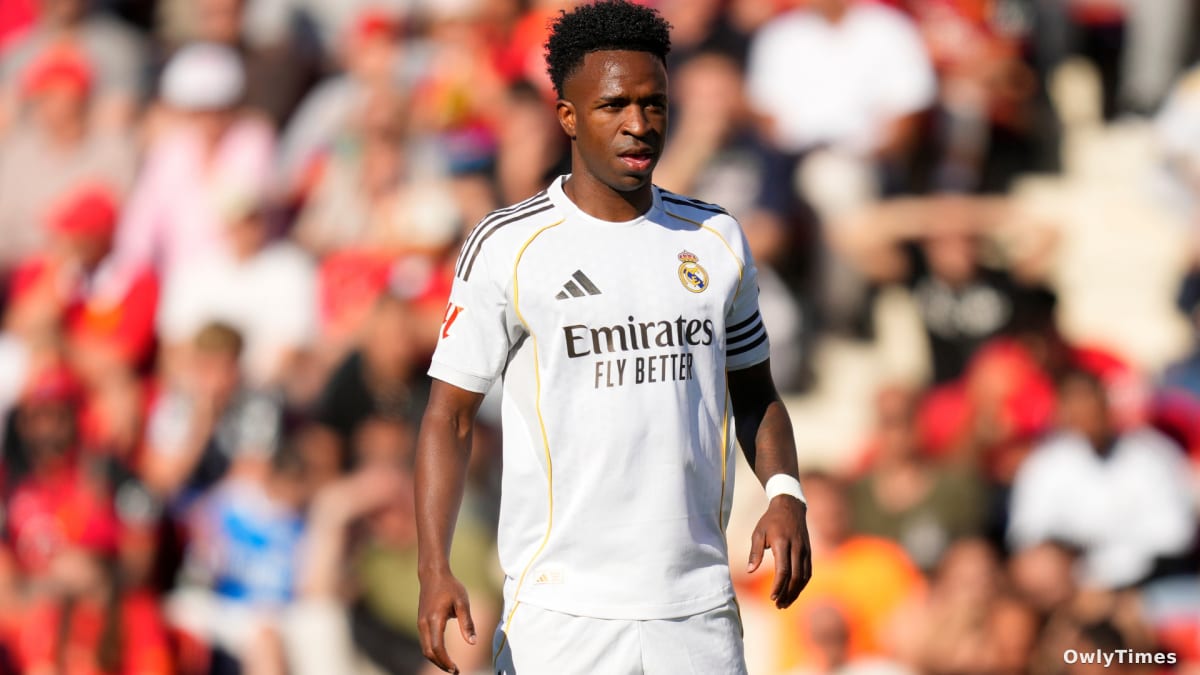

The air in Madrid crackled with a familiar tension Tuesday night, but not the kind Real Madrid fans are used to celebrating. It wasn’t the anticipation of another Champions League triumph, but a nervous energy clinging to the Santiago Bernabéu as Bayern Munich arrived, a team looking less like a visitor and more like a looming force. This isn’t just about a quarterfinal matchup; it’s a stark illustration of a shifting power dynamic in European football, one where established giants are facing a new breed of contenders, and where even the most storied clubs are grappling with internal instability. The Champions League, resuming this week with a slate of compelling ties, isn’t just a tournament – it’s a cultural barometer, reflecting anxieties about aging dynasties and the relentless march of tactical innovation.
Four of the last six Champions League winners remain in the hunt for the May 31 final in Budapest, but the path to glory is paved with internal conflicts and unexpected vulnerabilities. Harry Kane’s injury during the international break with England casts a shadow over Bayern Munich’s attack, though they remain favorites against an inconsistent Real Madrid side. That inconsistency is a key detail. Los Blancos have suffered five losses in 18 games under Alvaro Arbeloa, a statistic that feels almost sacrilegious for a club synonymous with dominance. Their improbable dismantling of Manchester City in the round of 16 feels increasingly like an outlier, a momentary flash of brilliance masking deeper systemic issues. The question isn’t just whether they can beat Bayern, but whether they can rediscover a consistent identity before their legendary status becomes a historical footnote.
Reporting from CBS Sports informs this analysis.
The narrative isn’t limited to Madrid’s struggles. Across the continent, Liverpool’s daunting trip to Paris Saint-Germain feels like a collision of contrasting trajectories. PSG are hitting form at precisely the right moment, while Liverpool are reeling from a humbling 4-0 defeat to Manchester City in the FA Cup. This isn’t simply a case of one team peaking and the other faltering; it’s a reflection of the cyclical nature of success in modern football. Jurgen Klopp’s era at Liverpool, built on relentless pressing and a vibrant attack, appears to be winding down, while Luis Enrique is attempting to forge a new, more controlled identity for PSG, one that leverages the individual brilliance of stars like Kylian Mbappé and Ousmane Dembélé. The contrast is striking, and the match promises to be a fascinating tactical battle.
Beyond the marquee matchups, the sheer volume of rematches adds another layer of intrigue. Barcelona’s clash with Atletico Madrid marks their fifth of six meetings this season, following a thrilling Copa del Rey series won by Diego Simeone’s side 4-3 on aggregate. Even a 2-1 LaLiga win for Barcelona on Saturday feels less like a decisive victory and more like a continuation of a fierce, ongoing rivalry. Then there’s Arsenal’s visit to Sporting Lisbon, a seemingly straightforward tie complicated by the Gunners’ recent, uncharacteristic back-to-back losses – the first time that’s happened all season. The CBS Sports team is divided on whether to panic, with Pardeep Cattry arguing it’s not yet time for alarm, while Francesco Porzio sees emerging vulnerabilities that could derail their campaign. This internal debate mirrors the growing anxiety among Arsenal fans, who have dared to dream of a Premier League and Champions League double.
The debate over who is best equipped to win it all consistently points to Bayern Munich. Experts like Cattry and Porzio highlight Vincent Kompany’s success in building a well-organized and potent attack, even with the uncertainty surrounding Harry Kane’s fitness. The fact that Bayern are one goal shy of the Bundesliga’s single-season goalscoring record speaks volumes about their attacking prowess. But the conversation isn’t just about tactical brilliance; it’s about the ability to adapt and overcome adversity. Chuck Booth rightly points out that a healthy Thibaut Courtois could have altered the equation for Real Madrid, underscoring the fragility of even the most dominant teams. The Champions League isn’t just a test of skill; it’s a test of resilience, of mental fortitude, and of a club’s ability to navigate the unpredictable currents of fate.
This year’s Champions League feels different. It’s not just about the usual suspects vying for glory; it’s about the cracks appearing in those established powers, the rise of new contenders, and the growing sense that the old order is being challenged. The tournament is a microcosm of broader societal trends – the disruption of established hierarchies, the embrace of innovation, and the constant pressure to adapt or be left behind. As we head into a week of compelling quarterfinal clashes, the question isn’t just who will reach the final in Budapest, but what this moment will reveal about the future of European football. Will Bayern Munich cement their status as the new dominant force? Or will a resurgent Real Madrid, or a hungry Liverpool, defy the odds and reclaim their place at the top? And, crucially, will Arsenal’s recent stumble prove to be a temporary setback, or a harbinger of a more significant decline? The answers, unfolding on the pitch over the coming weeks, will shape the narrative of the season and, perhaps, the future of the game itself.

