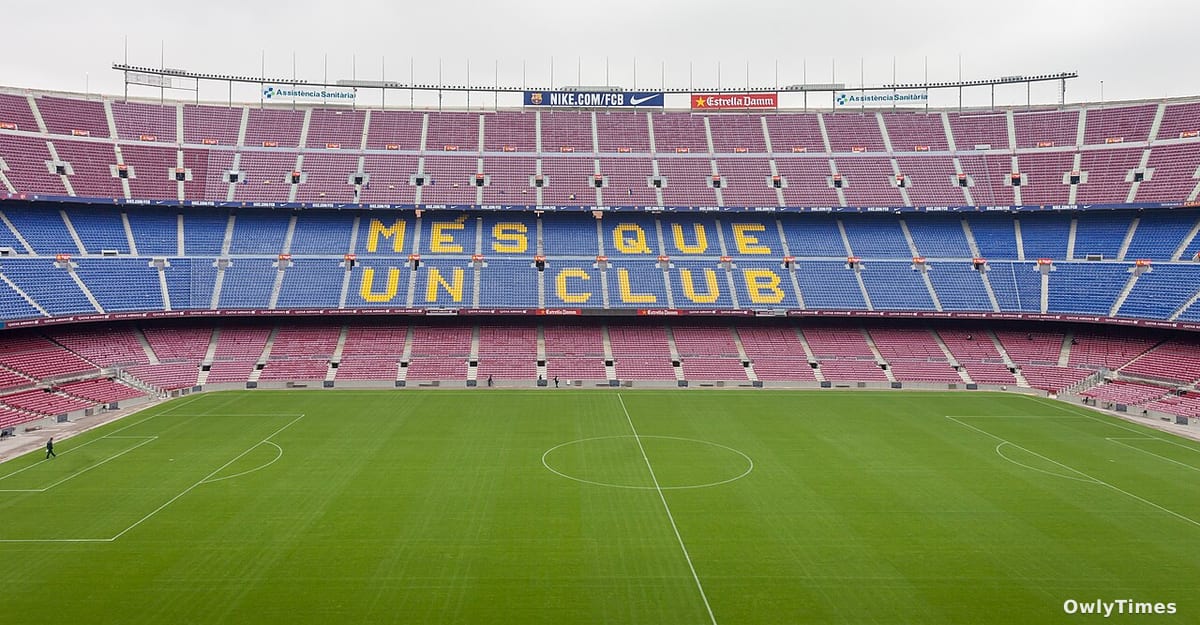

The roar of the crowd at Camp Nou is often described in terms of decibels, but the most piercing statements in El Clásico are frequently made in total silence. Before a single ball is kicked, the stadium undergoes a transformation that transcends the typical sports experience, turning the stands into a canvas of identity and defiance. For FC Barcelona and Real Madrid, this fixture is a psychological theater where the choreography of thousands of colored placards becomes a weapon in a long-standing cultural battle.
The Art of Pre-Match Psychological Warfare
These tifos are far more than decorative displays; they are carefully orchestrated manifestos designed to rattle the opposition before the referee’s whistle even sounds. By turning the stadium into a unified visual monolith, the home support attempts to shrink the world down to the pitch, making the giants of Madrid feel like outsiders in a hostile environment. Looking back at the archives, certain displays stand out not just for their technical complexity, but for the specific emotional temperature they captured during pivotal moments in the rivalry.
A Chronology of Iconic Displays
The visual history of these matches is punctuated by dates that evoke distinct memories for the faithful. The display from March 2015 remains a landmark, setting a high bar for the scale and ambition of fan-led artistic efforts at the stadium. This was followed by a particularly tense atmosphere during the April 2016 iteration of the rivalry, where the stakes felt tangibly heavier. The visual messaging continued to evolve as the decade progressed, with significant presentations marking the encounters in December 2016 and returning to the themes explored in the spring of March 2015. The legacy of these efforts culminated in a notable display in December 2019, proving that even as the modern game becomes increasingly digitized, the analog power of a hand-held placard remains potent.
Why the Tifo Remains Irreplaceable
In an era where sports marketing is dominated by corporate branding and high-definition screens, the tifo represents a rare, raw connection to the roots of club culture. It is an act of communal labor, requiring thousands of supporters to act in perfect concert, which serves as a stark reminder of the influence the fans hold over the match-day environment. While television viewers see a polished image, the players on the pitch feel the weight of a stadium that has been physically altered to reflect the club’s history and ambitions.
These displays force us to acknowledge that the identity of a club is not just found in its transfer budget or its trophy cabinet, but in the aesthetic and psychological pressure its supporters are willing to manifest. As the rivalry continues to evolve, the next iteration of these massive, stadium-wide art pieces will indicate whether the traditional spirit of fan-driven intimidation can withstand the increasing commercialization of the match-day experience. As long as the rivalry persists, the stands will remain the first place where the battle for dominance is won or lost.